Lisa Mariana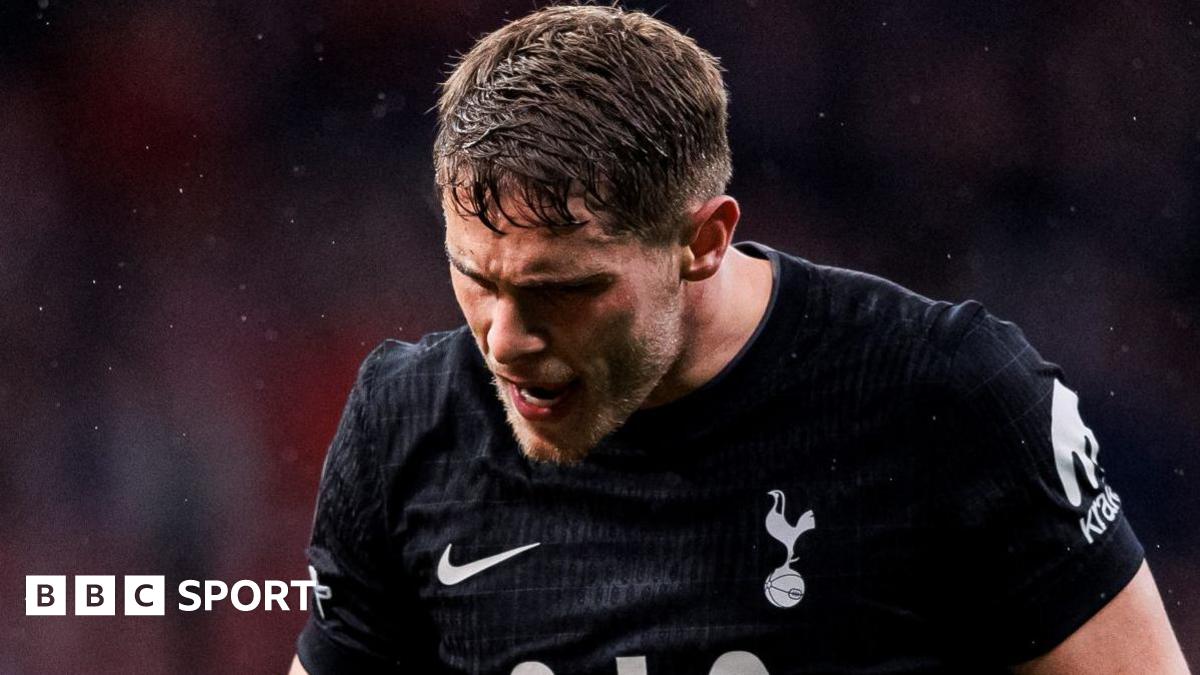
Tottenham Hotspur Football Club is currently confronting an unprecedented period of existential uncertainty, teetering precariously on the brink of relegation from the English top flight, a situation exacerbated by a sequence of adverse outcomes and a palpable decline in team morale. The strategic appointment of Igor Tudor as interim head coach in February, following the dismissal of Thomas Frank after a tenure of less than eight months, was intended to instigate a critical turnaround; however, the desired impact on the team’s performance and league standing has yet to materialise. The club’s current predicament, occupying 16th position in the Premier League and holding a mere one-point advantage over the relegation zone, underscores the monumental challenge of avoiding demotion to the Championship, a fate Tottenham has not experienced since 1977.
The managerial upheaval, marked by the rapid succession from Frank to Tudor, illustrates a club grappling for stability and direction. Frank’s eight-month tenure was characterised by inconsistent performances, a perceived lack of tactical identity, and an inability to convert promising talent into cohesive team results. His dismissal, while reflecting the cutthroat nature of top-tier football, also hinted at deeper structural issues within the club. The subsequent arrival of Igor Tudor, a figure with a reputation for intense, demanding tactical approaches gleaned from his previous roles at clubs like Juventus and Marseille, was heralded as a potential catalyst for change. Yet, despite his pedigree, the transition has not yielded the immediate upturn in fortunes that the club’s hierarchy and fan base desperately craved. The team continues to struggle with fundamental aspects of play, leading to questions regarding player adaptability, the efficacy of tactical implementation, and the underlying psychological state of the squad.
Tottenham’s current league position is a stark departure from its historical standing as a consistent competitor in the upper echelons of English football. For decades, the club has been synonymous with top-flight football, a status that has underpinned its brand, commercial appeal, and ability to attract elite players. The prospect of relegation, therefore, represents not merely a sporting setback but a profound crisis for the club’s identity and long-term viability. The one-point buffer separating them from the third-bottom position, currently occupied by West Ham United, highlights the razor-thin margins that will define the remainder of their season. Every fixture has transformed into a high-stakes encounter, with points accumulation becoming the singular, overriding objective.
The immediate fixture schedule presents a formidable gauntlet. The team is set to return to domestic action with a challenging away trip to Anfield to face the defending league champions, Liverpool, on Sunday. This match epitomises the difficulty of their current circumstances, requiring a performance of exceptional resilience and tactical discipline against one of Europe’s most dominant teams. Following this daunting encounter, the club faces a pivotal home fixture on March 22nd against fellow relegation contenders Nottingham Forest. This "six-pointer" game holds immense significance, offering a direct opportunity to widen the gap between themselves and a rival fighting for survival. Interspersed within these crucial league matches is the second leg of their European commitment against Atletico Madrid, a fixture that, while prestigious, adds another layer of physical and mental strain to an already beleaguered squad. Balancing the demands of European competition with the pressing imperative of Premier League survival presents a complex managerial challenge, requiring careful squad rotation and strategic prioritisation.
The sentiment within the playing squad reflects the severity of the situation. Micky Van de Ven, a key defensive figure, articulated the profound emotional toll that the current crisis is inflicting. His recent dismissal in the 3-1 home defeat to Crystal Palace, which will see him miss the crucial trip to Liverpool, compounds the individual and collective frustration. Van de Ven’s assessment that the team is "just taking blow after blow after blow" paints a vivid picture of a squad caught in a relentless cycle of negativity and adverse results. Such statements from within the dressing room are indicative of a pervasive sense of helplessness and despair, a psychological state that can significantly undermine performance on the pitch. The cumulative effect of defeats, coupled with individual errors and disciplinary issues, contributes to a fragile mental environment where confidence is eroded and resilience is tested to its limits.
The defender’s candid admission of the period being "really tough," "terrible," and "awful" underscores the immense pressure weighing on the players. His personal decision to disengage from social media and external noise by stating, "I’m not on my phone anymore. I’m completely done with it. Just my family, so it’ll be fine," highlights a common coping mechanism among athletes facing intense public scrutiny and criticism. This retreat from the digital sphere is an attempt to create a protective bubble, to shield oneself from the torrent of negative commentary that inevitably accompanies a club in crisis. It speaks to the broader psychological challenges faced by professional footballers, whose performances are not only scrutinised by fans and media but also by a pervasive online culture. The acknowledgment that "It’s rough, really rough. I have to keep going. It’s part of it, that’s life and we’ll see what’s coming," reveals a struggle to maintain mental fortitude amidst a protracted period of adversity. This personal struggle mirrors the collective challenge facing the entire team: to find the inner strength and collective resolve to navigate the storm.
Beyond the immediate on-pitch struggles and player morale issues, the club’s trajectory raises significant questions about its long-term strategic direction and institutional health. For years, Tottenham has operated under the shadow of a substantial financial investment in its state-of-the-art stadium and training facilities. While these assets are undeniably world-class, the corresponding investment in playing talent has often been perceived as insufficient, leading to a perennial cycle of falling short of genuine title contention. The current crisis suggests that this strategic imbalance may now be catching up with the club, exposing vulnerabilities in squad depth, recruitment strategies, and overall footballing philosophy.
The financial ramifications of relegation would be catastrophic. A move to the Championship would entail a significant reduction in broadcast revenue, sponsorship deals, and matchday income. Premier League television rights are by far the most lucrative in world football, and losing access to this revenue stream would necessitate drastic financial restructuring. Player values would inevitably plummet, and the club would face immense pressure to offload high-earning players who would be unwilling or unable to play in the second tier. This would likely result in a mass exodus of key talent, further diminishing the club’s competitive standing and making an immediate return to the Premier League an even more formidable task. Moreover, the club’s brand, painstakingly built over decades, would suffer considerable damage, impacting global merchandising, commercial partnerships, and its overall appeal to prospective players and investors.
From a recruitment perspective, relegation would render Tottenham an unattractive destination for top-tier talent. The ability to compete for coveted players is heavily reliant on a club’s Premier League status, its financial capacity, and its promise of European football. Without these foundational elements, Tottenham would find itself competing in a vastly different market, struggling to attract players capable of immediately restoring its top-flight position. The focus would shift from aspirational signings to players suitable for the Championship, a paradigm shift that would require a complete overhaul of the scouting and transfer department’s objectives.
The future outlook for Tottenham Hotspur hinges critically on its immediate performance in the remaining league fixtures. The strategy for survival must be multifaceted, encompassing tactical adjustments, enhanced psychological support for the players, and a clear, unified message from the club’s leadership. Tudor’s tactical approach will need to demonstrate immediate efficacy, potentially prioritising defensive solidity and opportunistic counter-attacking play in the short term, even if it deviates from a more expansive footballing philosophy. The "six-pointer" games, particularly the upcoming clash against Nottingham Forest, will be non-negotiable must-wins, requiring maximum effort and a clinical edge.
Beyond mere survival, the long-term recovery of Tottenham Hotspur will necessitate a fundamental reassessment of its sporting model. This includes a forensic analysis of its recruitment processes, the efficacy of its youth development pathways, and the strategic vision emanating from the executive level. Whether Igor Tudor is the individual to lead this long-term project remains an open question, contingent not only on Premier League survival but also on a demonstrated capacity to instil a sustainable winning culture. Should the worst-case scenario of relegation materialise, the club would face an unprecedented period of introspection, restructuring, and rebuilding, a process that could take several seasons to navigate. The current crisis at Tottenham Hotspur is therefore not merely a blip in a season; it represents a critical juncture that will define the club’s trajectory for the foreseeable future.




 Ayu Aulia
 Ridwan Kamil
 Safa Marwah
 Aura Kasih