Lisa Mariana
The enduring presence of sheep, long emblematic of Britain’s pastoral landscapes and culinary heritage, is undergoing a profound and rapid transformation, signaling a pivotal moment for the nation’s agricultural sector and rural communities.
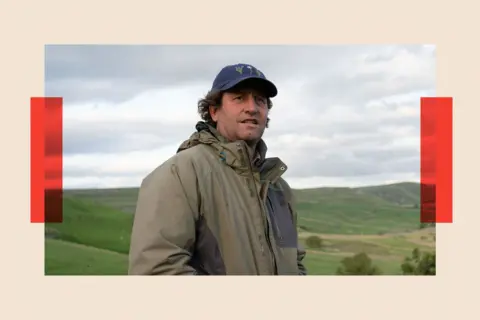
For generations, the rhythmic bleating of sheep and the tireless work of shepherds defined the economic and cultural fabric of regions like the Yorkshire Dales. Hill Top Farm, a family enterprise nestled in the dramatic Malhamdale for four generations, exemplifies this deep-rooted tradition. However, the current custodian, Neil Heseltine, has been compelled to orchestrate a dramatic pivot, scaling back his flock from a peak of over 800 lambing ewes to a mere 45 this spring. This drastic reduction, driven by financial necessity rather than choice, underscores a seismic shift impacting not only the Dales but the entire British farming industry. Heseltine’s candid assessment – "I either continued along the sheep-farming route because of sentimentality or made bold decisions" – highlights the stark reality facing countless farmers grappling with the economic viability of their traditional livelihoods.
The challenges confronting the British sheep industry are multifaceted, ranging from demographic shifts within the farming community to evolving market demands and policy realignments. The National Farmers’ Union (NFU) reports that the average age of a British farmer is 60, reflecting a broader demographic challenge where younger generations perceive diminishing prospects in agriculture. Compounding this, the past several years have seen an unprecedented surge in operational costs, from fuel and veterinary supplies to vital animal feed. For instance, the price of a tonne of hay has escalated dramatically, more than doubling from approximately £75 to £155 within a single year, squeezing already tight profit margins, particularly for upland farmers who often operate on thinner financial buffers.

Post-Brexit trade agreements have introduced another layer of complexity. Deals with nations such as New Zealand and Australia have eliminated tariffs and granted substantial import quotas for lamb, intensifying competition within the domestic market. This influx of competitively priced foreign produce places additional pressure on British farmers, who must adhere to stringent domestic welfare and environmental standards that may not be universally applied to imported goods.
The aggregate impact of these pressures is visible in the national flock statistics. Phil Stocker, Chief Executive of the National Sheep Association, notes that the UK now has just 14.7 million breeding ewes, the lowest figure in contemporary record-keeping. The overall national sheep population has dwindled to 30.4 million, a level not observed since the mid-20th century, when the UK’s population and, consequently, the potential domestic market for lamb and mutton, were considerably smaller.
Simultaneously, domestic consumption patterns have undergone a significant transformation. Data from the Agriculture and Horticulture Development Board (AHDB) reveals a precipitous decline in the consumption of sheep meat. In 1980, the average UK household purchased 128g of lamb or mutton per person per week. By 2024, this figure had plummeted to just 23g. Lamb, once a weekly staple, has increasingly become a choice for special occasions, with consumers gravitating towards "white meats" like chicken and plant-based alternatives, influenced by factors such as perceived health benefits, ease of preparation, and often, lower cost. This shift reflects broader societal changes in dietary preferences and culinary habits.
Beyond economic considerations, the decline in sheep farming raises profound questions about the future of Britain’s iconic landscapes. The image of rolling green hills, meticulously defined by drystone walls and maintained by the seasonal grazing of sheep, is deeply ingrained in the national consciousness, particularly in areas like the Lake District, Yorkshire Dales, Scottish Highlands, and Welsh mountains. The potential for these landscapes to transform in the absence of traditional sheep grazing pits the preservation of agricultural heritage against burgeoning calls for nature recovery and enhanced biodiversity. This tension compels a crucial societal debate: have we reached "peak sheep" in the UK, and if so, what are the long-term implications for consumers, rural livelihoods, and the very character of our cherished uplands?
The operational realities for sheep farmers are exceptionally arduous. Jeremy Eaton, general manager at Craven Cattle Mart in Skipton, North Yorkshire, observes a marked reduction in activity compared to his early career 47 years ago. What once saw sales of 19,000 store lambs now struggles to reach 8,000 or 9,000. The demanding nature of sheep farming, often described in stark terms as a constant battle against the elements and the animals’ inherent vulnerabilities, contributes to the industry’s struggle to attract new entrants. Despite a global projection for lamb consumption to grow by 15% by 2032 (OECD and FAO), the domestic market in the UK deviates sharply from this trend.
Paradoxically, the shrinking national flock has contributed to robust growth in the price paid for lamb, reaching record highs in 2024, according to AHDB analyst Becky Smith. However, this increased price often fails to offset the soaring input costs for upland farmers, leaving them vulnerable to market fluctuations and external economic pressures.
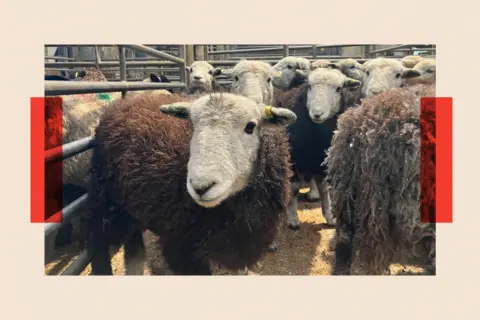
The decline is not universally lamented. Animal welfare organizations like People for the Ethical Treatment of Animals (PETA) view the reduction in sheep farming as a positive development. Mimi Bekhechi, senior vice president at PETA UK, argues that "fewer sheep means less suffering," questioning the nation’s self-perception as animal lovers given the realities of the wool and mutton industries. Furthermore, the UK’s Climate Change Committee has consistently advised the government to promote a reduction in meat and dairy consumption as a strategy to mitigate climate change, adding an environmental imperative to the arguments against intensive livestock farming.
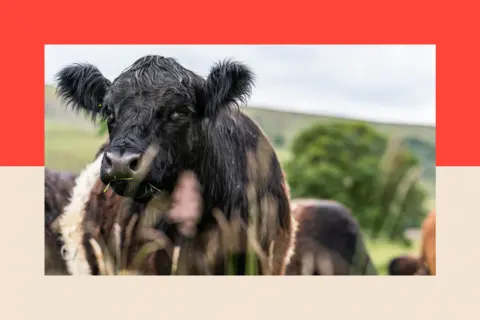
A significant driver of the current upheaval is the post-Brexit overhaul of agricultural subsidies. The shift from the European Union’s Common Agricultural Policy (CAP), which rewarded farmers based on the volume of livestock or land area, to new UK government schemes focusing on "public money for public goods," primarily nature recovery and environmental stewardship, has fundamentally altered the economic landscape for farmers. These new schemes, such as the Sustainable Farming Incentive in England and Wales, incentivize practices that enhance biodiversity, carbon sequestration, and water quality. For instance, funding is increasingly directed towards grazing moorland with cattle and ponies rather than sheep, as cattle’s less intensive grazing patterns allow for greater plant diversity and flowering.
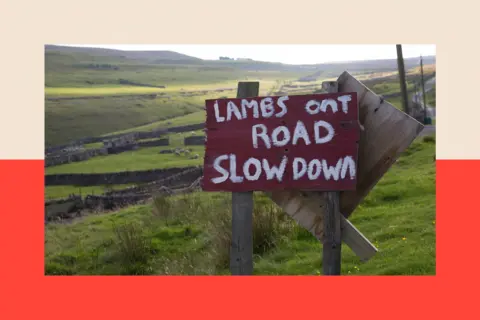
This policy shift has compelled farmers like Neil Heseltine to adapt drastically. His Hill Top Farm now accommodates 300 cattle grazing year-round, a change that has not only improved profitability but also significantly reduced labor hours. Yet, while many farmers acknowledge the principle of environmental payments, the financial support offered often falls short of the income previously derived from CAP subsidies. This creates considerable uncertainty, with some farmers expressing disillusionment. James Foster, a beef and sheep farmer on the Bolton Abbey Estate for three decades, articulates this sentiment: "Going forward, do I see a future? I’m not sure where we’re going with it. I do believe the government don’t want us, but people have to eat and we just have to adapt with that." Defra, in response, maintains its commitment to supporting farmers through an average of £2.3 billion annually in schemes, alongside efforts to ensure fairer supply chains and protect farmers in trade negotiations.
The challenges and policy responses vary across the UK’s devolved administrations. In Scotland, where the sheep population has remained relatively stable at around 6.5 million, similar pressures of rising costs and falling consumption are evident. The Holyrood government is also transitioning towards an environmentally focused subsidy regime, exemplified by initiatives like "Sheep and Trees," designed to encourage woodland planting without requiring a reduction in flock size. However, farmers in Scotland have voiced concerns regarding the accessibility of these schemes and the adequacy of the allocated budget, leading to calls from NFU Scotland for a comprehensive review. In Northern Ireland, the sheep population has seen a consistent decline, reaching 1.9 million in 2024, prompting the Ulster Farmers Union to criticize the perceived exclusion of sheep farmers from the devolved administration’s future agricultural policy framework.
The historical trajectory of sheep in Britain is extensive. First domesticated in the Middle East approximately 10,500 years ago, sheep arrived on British shores with Neolithic farmers around 4000BC. By medieval times, their economic importance was encapsulated in the proverb, "half the wealth of England rides on the back of the sheep." In Scotland, sheep farming played a pivotal role in the rural economy for generations, although its history is also shadowed by the controversial Highland Clearances of the late 18th and 19th centuries, when crofting families were displaced to make way for more profitable sheep pastures.
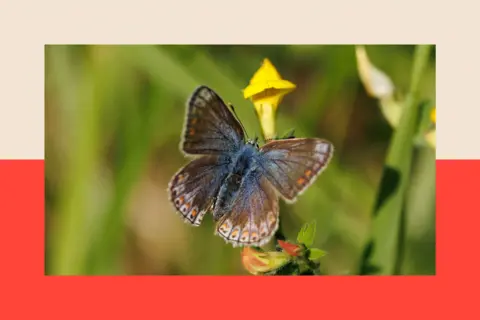
Modern conservation efforts are demonstrating the ecological benefits of reducing sheep grazing. The Wild Ingleborough project in the Yorkshire Dales, initiated in 2004, saw sheep removed from 1,500 hectares of limestone landscape and replaced with native cattle breeds, which are less intensive grazers. Subsequent scientific studies published in Ecological Solutions and Evidence have documented a remarkable increase in plant diversity (over 40%) and a five-fold surge in butterfly populations in the absence of sheep, providing compelling evidence for the positive impact of altered grazing regimes on biodiversity.
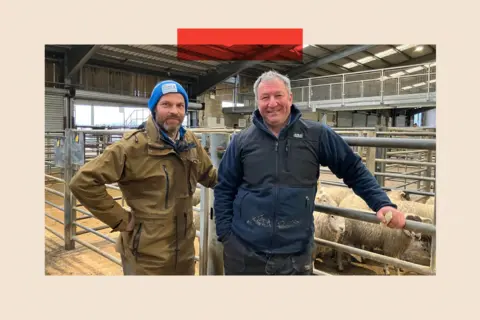
These scientific findings, while welcomed by environmentalists, present a profound dilemma for many traditional farmers who view such changes as an erosion of their way of life and a loss of valuable livestock pasture. The potential for conflict between the "rewilding" movement and agricultural interests is palpable. However, figures like David Stanners, Uplands North Group Chair at the NFU, advocate for dialogue and mutual understanding. He emphasizes the need for "compromise and respect on all sides" to reconcile the divergent goals of nature recovery and sustainable food production.
Amidst these challenges, a significant beacon of hope for the British sheep industry lies in the robust demand from the UK’s Muslim communities. Phil Stocker of the National Sheep Association highlights this demographic as a crucial driver for the domestic market. AHDB statistics indicate that 80% of halal consumers consume lamb weekly, and 64% eat mutton weekly, starkly contrasting with the mere 6% of the general UK population who consume lamb each week. Although Muslims constitute approximately 6.5% of the UK population, they account for an impressive 30% of annual lamb sales. Lamb is a preferred meat for family gatherings and religious festivals such as Ramadan and Eid, while mutton is a staple in various curries and stews. This consistent demand offers a vital lifeline for the industry, ensuring its survival "almost in spite of the work that the policymakers and others are doing on agricultural and land management policy," according to Stocker.
Without strategic intervention and a balanced approach, a worst-case scenario could see British lamb become increasingly expensive and scarce on supermarket shelves, replaced by a greater volume of imports from major suppliers like New Zealand and Australia. The AHDB projects a continued reduction in sheep numbers across many farms. However, it is also likely that sheep will remain a visible feature of the Lake District or Welsh mountains for decades to come.
The imperative now is for policymakers to articulate clear, long-term visions for the uplands that integrate food production with environmental objectives. Farmers, conservationists, and governmental bodies must engage in collaborative planning to ensure that, as Britain progresses into the second quarter of the 21st century, its cherished uplands can sustain both traditional farming practices and thriving natural ecosystems, fostering a future where both food security and biodiversity flourish.


 Ridwan Kamil
 Safa Marwah
 Aura Kasih
 Ayu Aulia