Aura Kasih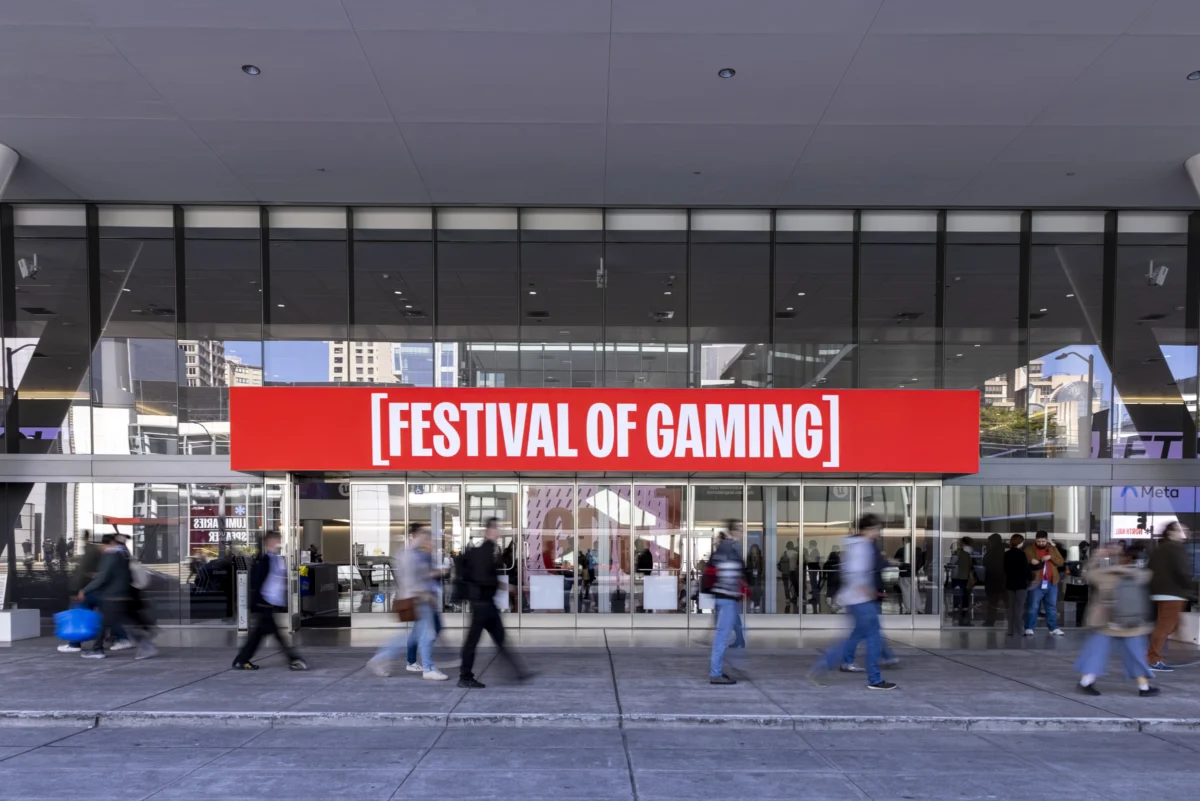
At the recent Game Developers Conference (GDC), the omnipresent hum of artificial intelligence permeated every facet of the industry, from speculative technological demonstrations and vendor pitches to high-profile academic presentations, yet its actual integration into the games themselves remained conspicuously absent. This stark dichotomy highlights a profound tension within the game development community, where the allure of AI-driven innovation clashes with a deeply ingrained commitment to human artistry and craft.
The GDC floor buzzed with vendors showcasing transformative AI capabilities. Demonstrations included the creation of dynamic, AI-driven Non-Player Characters (NPCs) designed to offer unparalleled player immersion, and even ambitious concepts for generating entire game worlds from simple text prompts. Tencent, for instance, presented a compelling demo of its AI tools, allowing attendees to explore a procedurally generated pixel-art fantasy realm. Beyond these generative applications, AI also showed its utility in critical development pipelines. Razer highlighted an AI assistant designed to streamline Quality Assurance (QA) processes by automatically logging issues within shooter game environments. Furthermore, the conference featured numerous insightful discussions on AI, notably a capacity-crowd presentation by Google DeepMind researchers detailing their advancements in creating playable, AI-generated spaces, underscoring the rapid theoretical and experimental progress in the field.
However, this pervasive AI narrative stood in stark contrast to the sentiments expressed by the creators of games. When engaging with developers on the show floor, a recurring theme emerged: a pronounced skepticism, bordering on outright rejection, of integrating generative AI into their creative endeavors. Gabriel Paquette, an independent developer behind the title The Melty Way, articulated a sentiment echoed by many: "I feel like the human mind is so beautiful. Why not use it?" This perspective suggests a core belief that the inherent creativity, intuition, and unique vision of human developers are irreplaceable elements that define the soul of a game. The emphasis on the "human element" transcends mere aesthetic preference; it speaks to a fundamental understanding of game design as an art form, deeply intertwined with individual expression and the nuanced application of skill.
This sentiment is not an isolated observation but reflects a growing trend within the industry. A recent GDC survey corroborated this sentiment, revealing that a significant 52% of respondents perceive generative AI as negatively impacting the game industry, a marked increase from 30% in 2025 and 18% in 2024. This escalating concern suggests a growing unease about the long-term implications of AI adoption. Furthermore, some independent studios are actively differentiating their products by explicitly advertising their games as "AI-free," signaling a deliberate choice to align with traditional development values and appeal to a segment of the audience that prioritizes human craftsmanship. The recent lukewarm reception to Nvidia’s DLSS 5, particularly concerning the perceived introduction of "AI slop-like faces" onto recognizable game characters in publicly showcased examples, has likely further dampened enthusiasm for advanced AI technologies among smaller, independent development teams.

The prevailing marketing narrative for generative AI in the gaming sector posits a symbiotic relationship, promising benefits for both creators and players. In its most optimistic projection, AI could serve as a powerful assistive tool for developers, automating mundane tasks such as debugging, quality assurance, and even sparking initial conceptual ideas. For players, AI could theoretically unlock personalized gaming experiences, allowing for a degree of customization and adaptation previously unattainable. Jack Buser, a Google Cloud executive with extensive experience in pioneering gaming platforms like Google Stadia and contributing to Sony’s PlayStation Now and PlayStation Home, has described generative AI as "the largest transformation in the games industry I have ever witnessed in my nearly 30-year career," underscoring the perceived magnitude of this technological shift.
Despite these optimistic forecasts from industry leaders, the developers on the ground often present a different perspective. Adam and Rebekah Saltsman, co-founders of the acclaimed independent studio and publisher Finji, known for critically successful titles such as Tunic and Chicory: A Colorful Tale, emphasize that their games are characterized by "a specific person or persons’ fingerprints." This "handmade" quality, imbued with a distinct human touch, often includes elements of serendipity and unexpected design choices that challenge player expectations. Rebekah elaborates on this, stating, "You can show people what it is, but you are going to break all of their expectations when they go and play it." This philosophy directly contrasts with the current paradigm of generative AI development, which tends toward predictable outputs based on training data. When asked about the possibility of incorporating generative AI into Finji’s projects, the response was unequivocally negative: "Absolutely not," Adam confirmed.
A significant concern among many developers is that AI-generated games, at their current stage of development, lack the distinct character and emotional resonance of human-created experiences. Abby Howard of Black Tabby Games, the studio behind Slay the Princess, observed that audiences "don’t connect" with generative AI, deeming its output "generic" and "cheap." Rebekah Saltsman offered a more visceral critique, stating that generative AI "just looks like crap." Beyond aesthetic concerns, practical considerations also arise. Matthew Jackson, currently developing the comedy game My Arms Are Longer Now, noted a fundamental disconnect: "AI is so not funny." This points to the nuanced understanding of humor, timing, and cultural context that is intrinsically human and challenging for current AI models to replicate authentically.
The integration of generative AI into game development also presents significant legal and ethical challenges. Beyond the environmental impact of AI’s substantial computational demands and the contentious issues surrounding the data used for AI training, the legal framework for selling AI-generated content remains underdeveloped. The Saltsmans highlight that there is currently no established legal precedent for profiting from generative AI output. This is further complicated by the fact that AI-generated art is generally not eligible for copyright protection, creating a precarious foundation for commercial ventures.
The resistance to generative AI is not confined to individual developers; it extends to publishers and industry stakeholders who are actively steering clear of AI-generated content. Panic, the publisher of Untitled Goose Game and the creator of the innovative Playdate handheld console, has explicitly stated they have "no interest in generative AI-created products," according to co-founder Cabel Sasser. BigMode, the publishing company founded by prominent gaming personality videogamedunkey, requires applicants to confirm their games are "human-made and do not include any use of generative AI." Even established entities like Hasbro, which is now venturing into video game development, have indicated a commitment to human-led creation, with CEO Chris Cocks recently stating that AI is not part of their development pipelines.

A recurring sentiment expressed at GDC was the notion that generative AI strips away the essential "craft" from the process of game development. Tony Howard-Arias of Black Tabby Games asserted that mastery in game development is achieved through "the intense concentration of a career of applied craft." Adam Saltsman drew parallels between coding and visual art, noting how the challenges of programming can positively influence game design. He further posited that complex programming often correlates with elements that are challenging for players to grasp, suggesting that the difficulty in implementation can lead to deeper, more engaging gameplay. Alex Schleifer, co-founder of Human Computer, developers of Ballgame, echoed this sentiment, describing the iterative process of game creation as inherently enjoyable and a fertile ground for generating innovative ideas.
The potential for generative AI to displace human labor within the game industry is a significant concern, particularly in a sector already grappling with widespread layoffs. The introduction of AI tools, even if they promise cost and efficiency gains, could drastically reduce the number of available positions and limit opportunities for aspiring developers to enter the field. Tony Howard-Arias articulated this concern, questioning, "Where do you get new talent in the future?" If the path to entry is narrowed by AI automation, the pipeline for nurturing the next generation of game creators could be severely compromised.
Currently, the prevailing belief among many developers is that the act of handcrafting games fosters a more profound human connection. Rebekah Saltsman articulated this beautifully, stating, "We tell human stories." When a game is released, there is a unique connection formed between the developers who have poured thousands of hours into its creation and the players who engage with it, often individuals the creators will never meet. This reciprocal relationship, driven by a deep care for the player experience and the desire to forge meaningful connections, is the fundamental motivation for many in the industry.
While the immediate reaction from many developers is one of resistance, a segment remains open to the long-term potential of generative AI. The film and television industries, for instance, are witnessing the emergence of companies specializing in bespoke AI models to enhance production workflows, a model that could potentially translate to game development. Paquette conceded that AI might become more widely accepted in the future, but for now, his commitment remains steadfast: "100 percent" handcrafted work is his preference, a sentiment rooted in personal artistic values. This indicates a nuanced perspective, acknowledging potential future applications while prioritizing current artistic integrity and the inherent value of human creativity.




 Safa Marwah
 Lisa Mariana
 Ayu Aulia