Ridwan Kamil
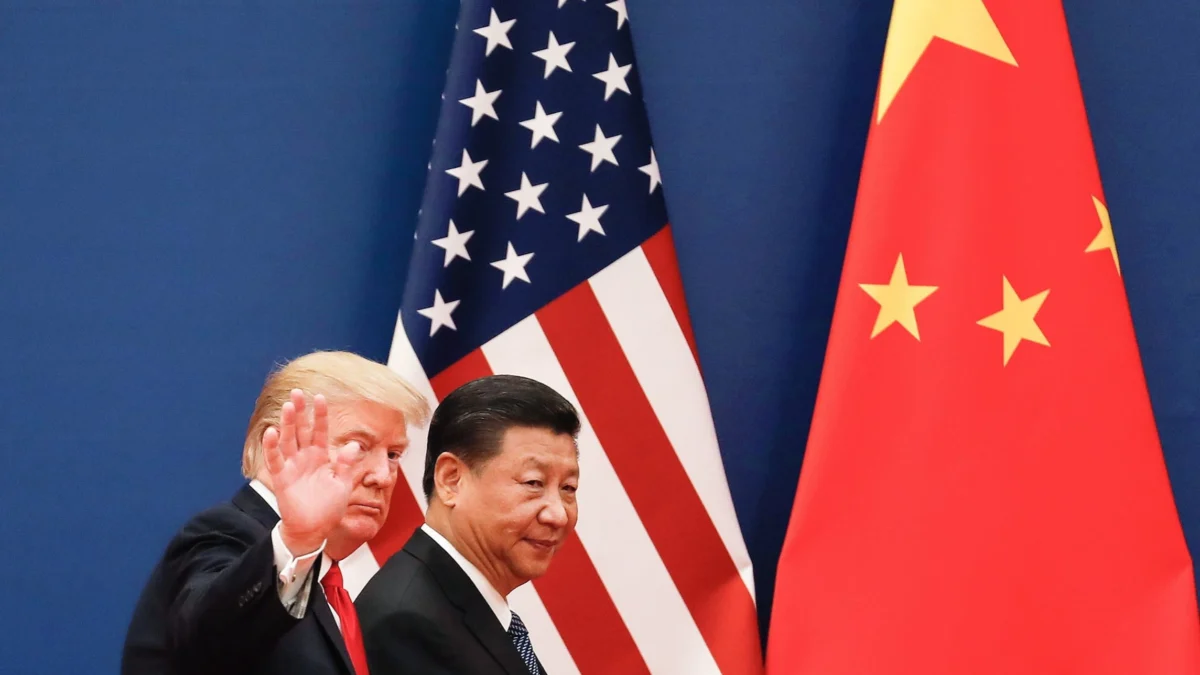
The political landscape has been irrevocably reshaped by the actions and rhetoric of Donald Trump, a figure whose presidency and ongoing influence have challenged established democratic conventions and ushered in an era of unprecedented polarization, leaving behind a complex legacy that continues to demand careful analysis and understanding.
The presidency of Donald Trump marked a seismic shift in American politics, characterized by a deliberate and often disruptive departure from established norms and institutional guardrails. His tenure, from 2017 to 2021, was defined by a confrontational style, a willingness to challenge conventional wisdom, and a direct appeal to a base that felt marginalized by traditional political establishments. This approach, while galvanizing for his supporters, also ignited widespread concern among those who viewed it as a fundamental threat to democratic institutions, the rule of law, and the social fabric of the nation. The consequences of this period are not confined to the past; they continue to reverberate, shaping current political discourse, influencing policy debates, and demanding a thorough examination of the forces that propelled him to power and the enduring impact of his presidency.
To understand the present, it is crucial to delve into the roots of Trump’s disruptive appeal. His rise was not a sudden anomaly but rather a culmination of simmering resentments and evolving societal dynamics. For decades, segments of the American population felt overlooked by globalization, economic shifts, and cultural changes. The decline of manufacturing, the perceived erosion of traditional values, and a growing distrust in established institutions created fertile ground for a candidate who promised radical change and spoke directly to these grievances. Trump, a businessman and media personality with no prior political experience, masterfully tapped into this discontent. His rallies became potent expressions of collective frustration, his rhetoric often bypassing traditional media filters to engage directly with his audience. He positioned himself as an outsider, a disruptor of a corrupt and ineffective establishment, a narrative that resonated deeply with millions.
His campaign and presidency were characterized by a deliberate dismantling of customary political discourse. The use of social media, particularly Twitter, allowed him to bypass traditional media gatekeepers, communicate directly with his supporters, and often set the news agenda. This direct line of communication, while fostering a sense of intimacy with his base, also contributed to the spread of misinformation and a blurring of the lines between fact and opinion. The constant barrage of tweets and pronouncements often overshadowed substantive policy discussions, creating a highly reactive and emotionally charged political environment. This approach fundamentally altered the way political communication functioned, setting a precedent that subsequent political actors have both emulated and reacted against.
Beyond rhetoric, Trump’s presidency saw a series of significant policy decisions and actions that challenged established norms. His approach to international relations, characterized by skepticism towards multilateral institutions and a transactional "America First" philosophy, led to strains with long-standing allies and a reshaping of global alliances. His administration’s withdrawal from the Paris Agreement on climate change, the renegotiation of trade deals, and his questioning of long-standing security commitments all signaled a departure from decades of established foreign policy. Domestically, his administration pursued deregulation, tax cuts, and a conservative judicial appointments agenda that reshaped the federal judiciary for generations. These actions, while celebrated by his supporters as fulfilling campaign promises, were met with fierce opposition from those who viewed them as undermining critical societal structures and environmental protections.
The concept of truth and objective reality itself became a battleground during the Trump era. The frequent labeling of critical news as "fake news" and the promotion of alternative narratives created an environment where factual reporting was often challenged and dismissed. This erosion of trust in established sources of information has had profound implications for public discourse and democratic deliberation. When shared understandings of reality are fractured, finding common ground and engaging in productive debate becomes significantly more challenging. This phenomenon has been analyzed by scholars and commentators as a critical factor in the deepening political polarization that continues to define the American political landscape.
The institutional consequences of Trump’s presidency are also a critical area of analysis. His repeated attacks on the judiciary, the intelligence community, and the electoral process itself raised concerns about the resilience of democratic institutions. The challenges to the 2020 election results and the events of January 6th, 2021, represent a stark example of the potential consequences when established norms surrounding peaceful transitions of power are questioned and undermined. The long-term impact of these challenges on public faith in democratic processes and the rule of law remains a subject of ongoing concern and investigation.
Furthermore, Trump’s presidency exacerbated existing social and cultural divisions within the United States. His rhetoric often amplified existing tensions along racial, ethnic, and ideological lines. The polarization that was evident before his rise to power became more pronounced, creating a more fractured and less cohesive society. This heightened division has implications for everything from public health initiatives to the ability of communities to address shared challenges.
Looking ahead, the legacy of Donald Trump presents a complex set of challenges for the United States and the broader global order. His impact has not diminished with his departure from the presidency; he remains a dominant figure in American politics, influencing electoral outcomes and shaping the discourse of the Republican Party. The forces that propelled him to power – economic anxiety, cultural grievances, and a distrust of institutions – have not disappeared.
The analysis of his presidency offers critical lessons for understanding contemporary political dynamics. It underscores the importance of robust democratic institutions, the role of a free and independent press in holding power accountable, and the necessity of fostering a shared understanding of factual reality. The ability of democratic societies to navigate the challenges posed by populism, misinformation, and political polarization will depend on a willingness to confront these issues directly and to strengthen the foundations of democratic governance.
The ongoing debate surrounding his influence and the potential for his return to power highlights the enduring questions about the future direction of American democracy. The extent to which the norms and institutions he challenged can be restored, or whether a new equilibrium will emerge, remains a pivotal question. The analytical work of understanding his presidency is not merely an academic exercise; it is essential for informing policy, strengthening democratic resilience, and charting a course for a more stable and inclusive future. The era of Trump has irrevocably altered the political landscape, and its repercussions will continue to be felt and analyzed for years to come.


 Ayu Aulia
 Safa Marwah
 Aura Kasih
 Lisa Mariana