
 Ridwan Kamil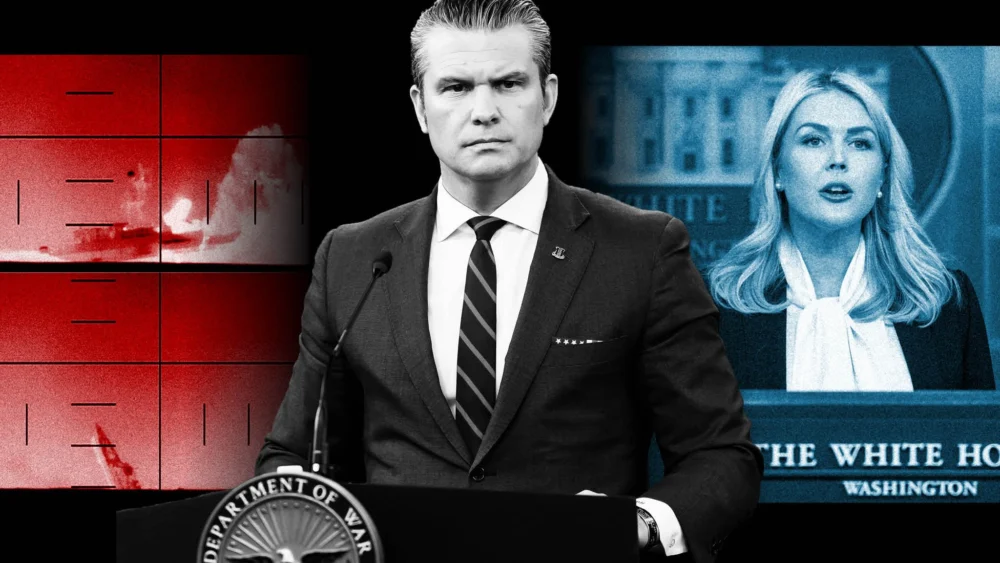
The political discourse surrounding Donald Trump’s re-election bid is increasingly characterized by a hyper-aggressive, often demeaning, and combative linguistic strategy, marking a significant departure from traditional campaign communication and raising concerns about its impact on democratic norms and public engagement.
The Trump campaign’s communication strategy, particularly evident in its rhetoric, employs a deliberate and systematic approach to language that can be characterized as hyper-aggressive and frequently demeaning. This approach eschews conventional political discourse, opting instead for a confrontational style that aims to mobilize supporters, alienate opponents, and dominate the media landscape. The content generated by the campaign often relies on personal attacks, inflammatory accusations, and an almost warlike framing of political contests, suggesting a calculated effort to redefine the boundaries of acceptable political speech.
This aggressive posture is not merely a stylistic choice; it is deeply intertwined with the campaign’s broader political objectives. By employing such language, the Trump team seeks to cultivate an image of strength and decisiveness, positioning the candidate as a fighter against established institutions and perceived enemies. This strategy is designed to resonate with a segment of the electorate that feels disenfranchised or overlooked by mainstream politics, offering them a voice and a sense of validation through the candidate’s combative pronouncements. The "us versus them" framing is a core component, fostering a sense of solidarity among supporters by identifying and demonizing common adversaries.
The tactical deployment of this rhetoric can be observed across various platforms. Rallies often serve as primary arenas for these unvarnished displays of linguistic aggression, where the candidate and his surrogates can engage directly with their base, amplifying their message without immediate media filtration. Social media platforms, particularly those where direct communication is favored, become fertile ground for disseminating concise, often provocative, statements that can quickly gain traction and shape public perception. Furthermore, interviews and public statements are frequently framed through this lens, ensuring that even when engaging with more traditional media, the campaign’s distinctive vocal signature is maintained.
The content of this aggressive rhetoric often centers on personal vilification. Opponents are not merely disagreed with; they are frequently portrayed as corrupt, incompetent, unpatriotic, or even dangerous. This tactic aims to discredit individuals and undermine their credibility, thereby neutralizing potential challenges. The use of nicknames, often pejorative and memorable, serves as a shorthand for dehumanizing political figures, stripping them of their authority and making them easier targets for ridicule and contempt. This consistent pattern of personal attack aims to erode the public’s trust in those who oppose the Trump agenda.
Beyond individual adversaries, the rhetoric frequently targets institutions and established norms. The media is routinely cast as an "enemy of the people," delegitimizing critical reporting and fostering an environment where factual reporting is dismissed as biased. Judicial institutions, intelligence agencies, and even electoral processes have been subjected to similar attacks, casting doubt on their integrity and impartiality. This systematic erosion of trust in foundational democratic structures is a significant aspect of the campaign’s strategy, aiming to create a vacuum of authority that the candidate can then fill with his own pronouncements and directives.
The "war rhetoric" component is particularly striking. Political opponents are not simply rivals; they are framed as existential threats requiring a vigorous and uncompromising response. This militaristic framing extends to policy discussions, where complex issues are often distilled into Manichean struggles for survival or dominance. The language employed often evokes imagery of battle, conquest, and victory, creating a heightened sense of urgency and a justification for extreme measures. This framing can mobilize supporters by appealing to their sense of duty and their perceived need to defend their way of life against encroaching dangers.
The implications of this sustained rhetorical aggression are far-reaching. Firstly, it contributes to a deepening of political polarization. By consistently demonizing opponents and their supporters, the campaign entrenches divisions and makes constructive dialogue and compromise increasingly difficult. This can lead to a political environment characterized by animosity and gridlock, hindering effective governance.
Secondly, the normalization of demeaning and aggressive language can have a corrosive effect on democratic discourse. When personal attacks and baseless accusations become standard campaign tactics, the focus shifts away from substantive policy debates and towards superficial and often inflammatory exchanges. This can disengage citizens who are seeking reasoned discussion and thoughtful solutions, leading to apathy or cynicism. Moreover, it can embolden individuals to adopt similar aggressive communication styles in their own interactions, further degrading the quality of public conversation.
Thirdly, the relentless attacks on institutions can undermine public trust in the very foundations of democracy. When citizens are constantly bombarded with messages suggesting that their electoral systems, their courts, or their free press are rigged or corrupt, they may become less inclined to participate in these institutions or to believe in their legitimacy. This erosion of trust can have long-term consequences for the health and stability of a democratic society.
From an analytical perspective, the Trump campaign’s rhetorical strategy can be understood as a form of populism that leverages grievance and resentment. The aggressive language serves to validate the feelings of frustration and anger experienced by certain segments of the population, positioning the candidate as their champion against powerful elites and perceived betrayers. The demeaning tone towards opponents and institutions acts as a form of social signaling, reinforcing group identity among supporters and creating a clear distinction between "insiders" and "outsiders."
The strategic objective is often to control the narrative. By consistently generating provocative statements, the campaign can dominate news cycles, forcing opponents to react rather than proactively setting their own agendas. This creates a perpetual state of defensive maneuvering for those on the receiving end of the rhetoric, allowing the Trump campaign to dictate the terms of engagement and maintain a high level of visibility. The speed and ubiquity of digital communication amplify this effect, allowing the campaign’s messages to spread rapidly and bypass traditional gatekeepers of information.
Expert analysis of political communication often highlights the power of emotional appeals in shaping public opinion. The Trump campaign’s rhetoric is particularly adept at tapping into primal emotions such as fear, anger, and tribal loyalty. By framing political contests as high-stakes battles for survival, the campaign can generate a powerful emotional response that can override rational consideration of policy details or factual accuracy. This emotional resonance can be a highly effective tool for mobilizing voters and fostering unwavering support.
Looking forward, the enduring impact of this hyper-aggressive rhetorical style remains a subject of considerable debate. If successful, it may further entrench such communication strategies within the political landscape, leading to a permanent shift in the norms of political discourse. Conversely, sustained exposure to such tactics could also lead to a backlash, with voters seeking a return to more reasoned and respectful forms of political engagement. The long-term consequences will likely depend on a complex interplay of media consumption habits, voter responses, and the strategic adaptations of political actors across the spectrum.
The campaign’s content, therefore, is not merely a collection of inflammatory statements; it represents a calculated strategy designed to achieve specific political outcomes. The consistent use of warlike terminology, personal denigration, and institutional distrust serves to galvanize a base, alienate opponents, and dominate the public discourse. This approach, while effective in certain respects for its intended audience, poses significant challenges to the health and civility of democratic dialogue, raising critical questions about the future of political communication in the digital age. The deliberate choice to employ such extreme language underscores a willingness to push the boundaries of political rhetoric, with potentially profound implications for the electorate and the democratic process itself. The ongoing analysis of this phenomenon is crucial for understanding the evolving dynamics of modern political campaigning and its impact on societal cohesion.


 Safa Marwah
 Aura Kasih
 Lisa Mariana
 Ayu Aulia