Lisa Mariana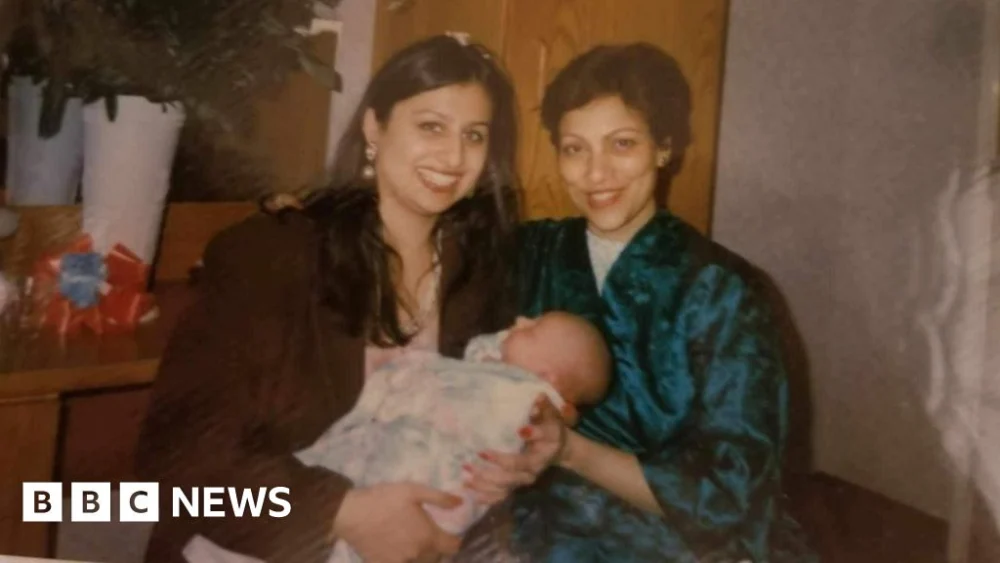
A serendipitous encounter on a bustling London Underground train in the early 1990s initiated an extraordinary human connection, culminating in an act of profound altruism that reshaped the understanding of family and genetic lineage for three individuals over nearly three decades. This remarkable narrative, unfolding from a chance conversation amidst the daily commute, illuminates the evolving complexities of assisted reproductive technologies and the enduring power of human generosity to forge unexpected bonds. It stands as a testament to how personal decisions, made outside conventional frameworks, can profoundly influence lives, challenging traditional definitions of kinship and fostering a broader dialogue on fertility, identity, and belonging.
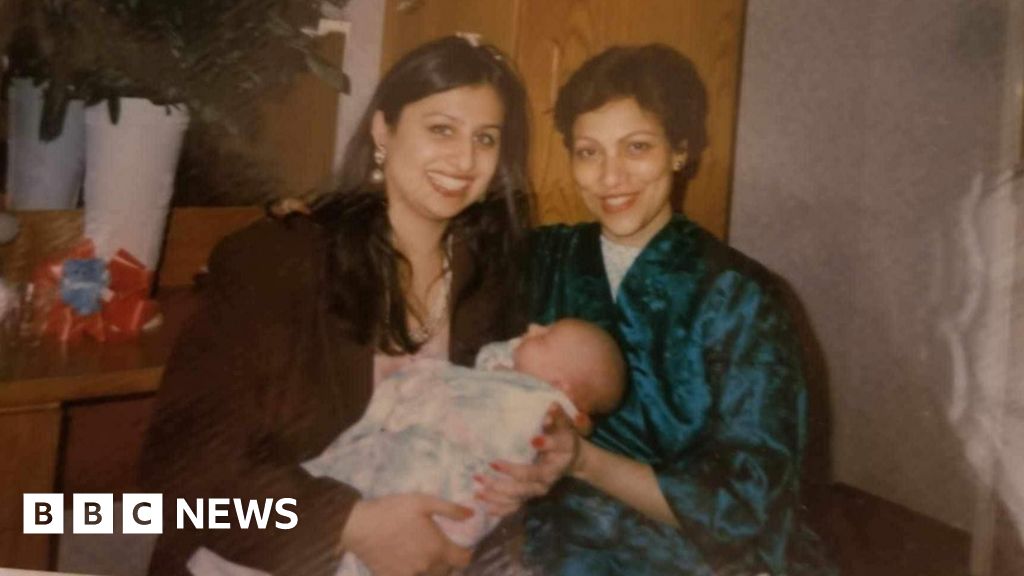
The genesis of this unique familial arrangement traces back to a crowded Piccadilly line carriage. Gini Bhogal, then a young mother, found herself amidst the quintessential London rush, a scene of everyday anonymity. A child’s innocent laughter pierced the urban din, catalyzing a casual exchange with the woman standing beside her, identified as Anita. What began as an innocuous discussion about children swiftly deepened, as Anita shared her personal struggle with infertility, specifically an issue with her oocytes, and her fervent search for an egg donor. In a moment of spontaneous compassion, Ms. Bhogal felt an undeniable urge to assist, a profound impulse rooted in a long-held desire to make a significant, positive impact on another person’s life. This immediate, unbidden offer transcended the transactional nature often associated with such medical procedures, positioning it as an act of pure, unadulterated philanthropy.
The decision, though instantaneous for Ms. Bhogal, was not universally met with immediate acceptance. Her husband, confronted with the unconventional nature of the proposal, expressed understandable reservations. His concerns centered on the long-term implications of such a profound biological connection, questioning the potential for future complications regarding the donor-conceived child’s identity and the impact on their own family unit. These considerations, while pragmatic, highlight the societal anxieties and lack of established protocols surrounding egg donation in the early 1990s. Despite these initial hesitations, Ms. Bhogal’s conviction remained unshaken, driven by an inherent desire to give. Her husband, though initially skeptical, eventually acceded, acknowledging the unwavering resolve of his wife’s altruistic commitment.
The subsequent medical journey underscored the nascent state of assisted reproductive technology at the time. Ms. Bhogal embarked on a regimen of medication to prepare for oocyte retrieval, a process that yielded 17 eggs. From these, 10 successfully developed into embryos. However, the path to conception was fraught with challenge, a stark reminder of the lower success rates and inherent uncertainties of in vitro fertilization (IVF) in that era. Nine consecutive embryo transfers into Anita’s uterus failed to implant. It was only with the tenth and final remaining embryo that success was achieved, culminating in a pregnancy. This arduous sequence of attempts and failures, preceding a singular triumph, lends significant weight to the narrative of perseverance and medical ingenuity, making the eventual birth of Christopher a truly remarkable event.
Following a full-term pregnancy, Anita and her husband welcomed their son, Christopher. In an era predating comprehensive legal frameworks for donor conception, no formal agreements were established between the two women regarding their future relationship. This absence of codified terms presented a scenario where either party could have disengaged completely. Yet, the profound connection forged on the Piccadilly line endured and deepened. Ms. Bhogal transitioned into the role of "Auntie Gini," a testament to the informal yet powerful bond that developed. Even as Christopher’s family relocated globally for their professional commitments, the connection was meticulously maintained through consistent correspondence, including emails, letters, photographs, and gifts for significant milestones, ensuring that Ms. Bhogal remained an integral, albeit quietly defined, part of Christopher’s formative years. These sustained interactions, often involving brief visits to London airports during transit, served to cement a unique, extended family dynamic built on mutual respect and affection.
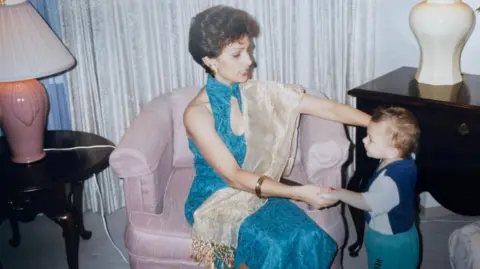
For Christopher, the truth of his origins remained an undisclosed aspect of his life for many years. Growing up, the genetic connection to Ms. Bhogal was not apparent, largely facilitated by the similar South Asian heritage of both women—Anita of Goan descent and Gini of Punjabi origin—resulting in comparable phenotypical characteristics. The decision to reveal Christopher’s genetic lineage came approximately three years ago, prompted by the global COVID-19 pandemic and a heightened awareness of the importance of comprehensive medical history. Anita, after careful consideration, communicated her intention to Ms. Bhogal before jointly disclosing the truth to Christopher during a video call.
Christopher’s reaction to this revelation was profound and multifaceted. He described the experience as "phenomenal" and deeply emotional, a moment of significant personal discovery. This newfound understanding not only expanded his sense of family, incorporating a "second mum," but also initiated a journey of self-discovery regarding his inherent traits and predispositions. His subsequent interactions with Ms. Bhogal revealed striking commonalities in tastes and temperament, including shared musical preferences (Sade), identical coffee habits (black), and a similar nuanced sense of humor. This observation led Christopher to articulate a compelling "nature versus nurture" perspective, acknowledging Anita’s foundational role in his upbringing while recognizing Ms. Bhogal as the source of his inherent genetic characteristics.
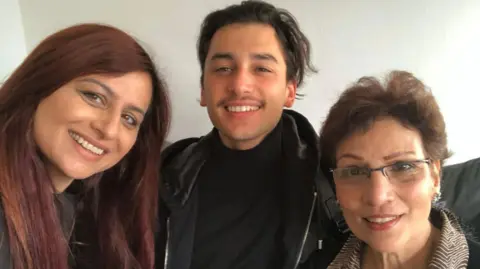
The narrative extends beyond the immediate parties, encompassing the broader societal and cultural implications of such a story. Ms. Bhogal’s decision to donate eggs, particularly within the context of the early 1990s and her South Asian background, challenged conventional norms. In many South Asian communities, infertility remains a subject shrouded in silence and stigma, often viewed through the lens of lineage and bloodline. Ms. Bhogal’s public sharing of her story has resonated deeply within these communities, empowering other South Asian women to openly discuss their own fertility journeys and experiences with egg donation, thereby contributing to the gradual erosion of entrenched taboos.
The integration of Christopher into Ms. Bhogal’s extended family further illustrates the transformative power of personal connection over genetic exclusivity. Initially, Ms. Bhogal introduced Christopher as the son of a family friend, navigating the potential cultural sensitivities within her "very strict Sikh" parental household. However, with the unwavering support of her six siblings, Ms. Bhogal ultimately shared the full account with her parents. Their response was one of profound acceptance and embrace, exemplified by her father’s immediate declaration, "Beta, I’m your Nana Ji" (grandpa), and her mother’s heartfelt embrace, welcoming him as "My son." This powerful acceptance underscores a capacity for familial expansion that transcends biological strictures, demonstrating how love and belonging can redefine traditional kinship structures.
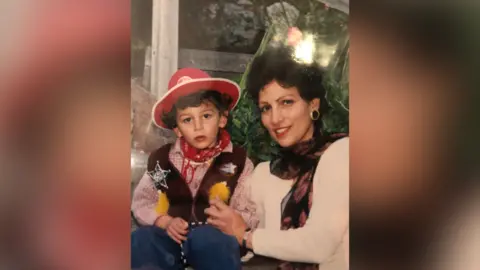
The journey of Christopher, from a chance encounter to a "miracle baby" born through perseverance and altruism, now extends into a new chapter of his own. Currently residing in El Salvador and working in Miami, he continues to nurture his bond with Ms. Bhogal, describing their connection as a "bonus family." Their shared decision to publicly narrate their story, with the full endorsement of Anita and their respective families, serves as a powerful testament to the positive outcomes possible in donor-conceived families. Christopher, on the cusp of fatherhood himself, views his own impending parenthood as the continuation of a cycle of life and benevolence. He articulates a profound belief in the human imperative to "do good, to help one another, to spread love and connection, and really make a difference in the world," echoing the foundational act of generosity that brought him into existence.
This singular story, initiated by an improbable interaction on a bustling urban transit system, offers profound insights into the evolving landscape of family formation in the 21st century. It highlights the remarkable strides in assisted reproductive technologies since the early 90s, the increasing openness surrounding donor conception, and the growing recognition of the rights and identities of donor-conceived individuals. The narrative of Gini, Anita, and Christopher underscores that family is not solely defined by genetics or conventional structures but is, at its core, a construct of love, connection, and the extraordinary human capacity for altruism. Their journey serves as a compelling case study for scholars and ethicists examining the social, psychological, and cultural implications of donor conception, and as an inspiring testament to the enduring power of human connection to create unforeseen and beautiful destinies.


 Ridwan Kamil
 Safa Marwah
 Aura Kasih
 Ayu Aulia