Aura Kasih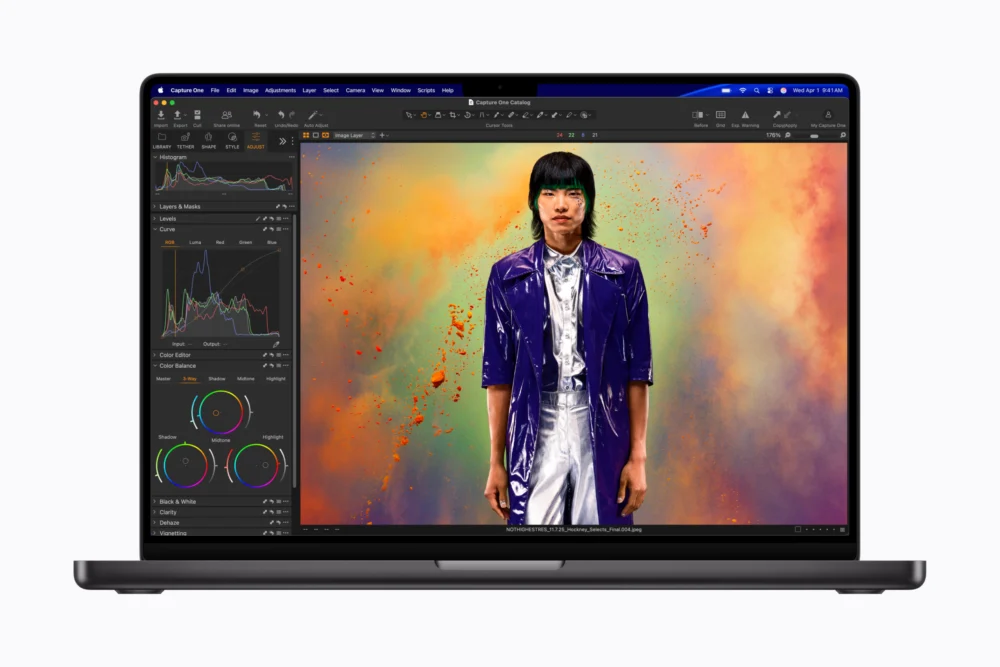
As the calendar pages turn towards March 2026, the technology landscape braces for Apple’s anticipated unveiling of a suite of groundbreaking products, potentially including a refreshed MacBook lineup and the enigmatic iPhone 17E, signaling a significant evolution in the company’s hardware strategy.

The tech world is abuzz with speculation and carefully curated leaks, painting a picture of Apple’s ambitious plans for early 2026. While official confirmations remain elusive, a confluence of industry whispers and analyst projections points towards a March event that could redefine user experiences across Apple’s core product categories. At the forefront of these anticipated announcements are significant updates to the MacBook Pro and MacBook Air lines, rumored to incorporate next-generation Apple Silicon chips, promising substantial leaps in performance, power efficiency, and potentially new architectural features. Concurrently, the emergence of the "iPhone 17E" moniker has ignited considerable intrigue, suggesting a divergence from Apple’s established naming conventions and hinting at a specialized or enhanced iteration of its flagship smartphone. Beyond these headline-grabbing reveals, expectations extend to broader ecosystem enhancements, software advancements, and potentially the introduction of entirely new product categories, all aimed at solidifying Apple’s position as a leader in consumer technology and artificial intelligence integration.
The Next Generation of Portable Powerhouses: MacBook Evolution

The MacBook Pro and MacBook Air have long served as cornerstones of Apple’s computing division, lauded for their blend of sleek design, robust performance, and intuitive user interfaces. The anticipated March 2026 updates are poised to build upon this legacy by integrating Apple’s latest advancements in custom silicon. Industry observers anticipate the debut of chips that will not only outpace their predecessors in raw processing power but will also feature enhanced neural engines optimized for on-device artificial intelligence and machine learning tasks. This focus on AI integration is a critical strategic imperative for Apple, aiming to deliver more intelligent and responsive user experiences, from advanced photo and video editing capabilities to more sophisticated predictive text and voice command functionalities.
The architectural design of these next-generation processors is also a subject of intense speculation. Reports suggest a potential shift towards more specialized core configurations, optimizing performance for specific workloads. This could translate to significant gains in areas such as graphical rendering, scientific computation, and the seamless operation of complex applications. Furthermore, the drive for enhanced power efficiency remains paramount. Apple’s commitment to extending battery life without compromising performance is a key differentiator, and the upcoming MacBook models are expected to push these boundaries further, enabling users to remain productive and engaged for longer periods between charges.

Beyond the silicon, the physical design of the MacBooks may also see subtle yet impactful refinements. While radical departures from the current aesthetic are unlikely, manufacturers often seize hardware refresh cycles to optimize thermal management, improve display technology, or introduce new connectivity options. The possibility of enhanced display technologies, such as micro-LED or further improvements in ProMotion, could offer richer visuals and smoother interaction. The integration of Wi-Fi 7 or other next-generation wireless standards would also be a logical progression, ensuring users benefit from faster and more reliable network connections.
The Enigmatic iPhone 17E: A New Frontier for Apple’s Smartphone

The emergence of the "iPhone 17E" designation is perhaps the most perplexing element of Apple’s rumored March 2026 announcements. Apple’s nomenclature for its iPhone lineup has historically followed a predictable progression, typically involving numerical increments and occasional "Pro" or "Max" suffixes to denote higher-tier models. The introduction of an "E" suffix suggests a potential departure from this established pattern, hinting at a device that might occupy a unique position within the iPhone ecosystem.
Several theories are circulating within the tech community regarding the purpose of the "E." One prominent possibility is that it denotes an "Enhanced" or "Essential" model, perhaps a device that offers a streamlined yet highly capable experience, possibly at a more accessible price point than the Pro variants, or one that focuses on specific technological advancements. Another interpretation is that "E" could signify a device optimized for a particular use case or market segment, such as a focus on enhanced enterprise features or a more robust, ruggedized design.

Alternatively, the "E" could represent a significant technological leap, potentially related to augmented reality (AR) or extended reality (XR) capabilities, positioning it as a gateway device for Apple’s ambitions in spatial computing. Given Apple’s ongoing investments in AR/VR technologies, an iPhone model with deeply integrated AR functionalities, perhaps featuring advanced sensor arrays or dedicated processing for immersive experiences, is a compelling prospect. This would align with a broader trend of smartphones becoming increasingly central to accessing and interacting with digital and physical worlds simultaneously.
The implications of an iPhone 17E are far-reaching. If it signifies a new tier or specialization, it could reshape Apple’s smartphone strategy, offering consumers a wider range of choices tailored to their specific needs and budgets. It could also serve as a testing ground for new technologies and design philosophies before their potential integration into the mainstream iPhone Pro lineup. The success or reception of the iPhone 17E will undoubtedly provide valuable insights into consumer demand for specialized smartphone features and Apple’s ability to innovate beyond its established product archetypes.

Beyond Hardware: Ecosystem Synergies and Software Advancements
Apple’s product announcements are rarely confined to hardware alone. The March 2026 event is expected to showcase advancements in Apple’s software ecosystem, demonstrating how the new hardware seamlessly integrates with existing and upcoming operating systems. iOS, macOS, watchOS, and iPadOS are all likely to receive updates that leverage the capabilities of the new silicon, unlocking new functionalities and enhancing performance across the board.

The integration of artificial intelligence will be a recurring theme. Expect to see AI-powered features woven more deeply into the user experience, from more intelligent personal assistants to proactive suggestions and personalized content delivery. This strategic push towards AI is crucial for Apple to maintain its competitive edge in a rapidly evolving technological landscape where AI is becoming an increasingly dominant force.
Furthermore, the event may offer a glimpse into Apple’s long-term vision for its various product categories. This could include updates on the development of its mixed-reality headset, advancements in Apple Watch capabilities, or even the introduction of entirely new product lines that leverage its existing technological strengths. The company’s ability to foster a cohesive and interconnected ecosystem where devices and services work in concert is a key driver of its success, and future announcements are expected to reinforce this strategy.

Strategic Implications and Market Dynamics
The anticipated March 2026 announcements carry significant strategic implications for Apple and the broader technology industry. For Apple, these releases represent an opportunity to reassert its market leadership, particularly in the competitive premium smartphone and laptop segments. The introduction of cutting-edge silicon and potentially novel iPhone configurations could drive upgrade cycles and attract new customers.

From a market perspective, Apple’s moves will inevitably influence competitors. Rivals will be closely observing the technological advancements and strategic positioning of the new MacBooks and the iPhone 17E, likely prompting their own research and development efforts to match or surpass Apple’s innovations. The emphasis on on-device AI, for instance, signals a clear direction for the industry, pushing for more intelligent and privacy-preserving processing.
The success of the iPhone 17E, in particular, could redefine market segmentation within the smartphone industry. If it proves to be a successful new tier, other manufacturers may follow suit by introducing similarly specialized or segmented devices, leading to a more diverse and nuanced smartphone market. This could also signal a shift in how consumers perceive and purchase smartphones, moving beyond a purely iterative upgrade model to one that prioritizes specific functionalities or experiences.

Conclusion: A Glimpse into the Future of Apple’s Innovation Engine
As March 2026 approaches, the technology world eagerly awaits Apple’s unveiling of what promises to be a pivotal series of product announcements. The anticipated updates to the MacBook lineup, powered by next-generation Apple Silicon, are set to redefine portable computing performance and efficiency. Simultaneously, the mysterious iPhone 17E hints at a bold new direction for Apple’s flagship smartphone, potentially expanding its functionality and market appeal in unprecedented ways. These hardware advancements, coupled with continued software ecosystem integration and a strategic focus on artificial intelligence, underscore Apple’s enduring commitment to innovation and its drive to shape the future of personal technology. The upcoming event is not merely a product launch; it is a strategic statement, offering a profound glimpse into the trajectory of one of the world’s most influential technology companies.




 Ridwan Kamil
 Safa Marwah
 Lisa Mariana
 Ayu Aulia