Aura Kasih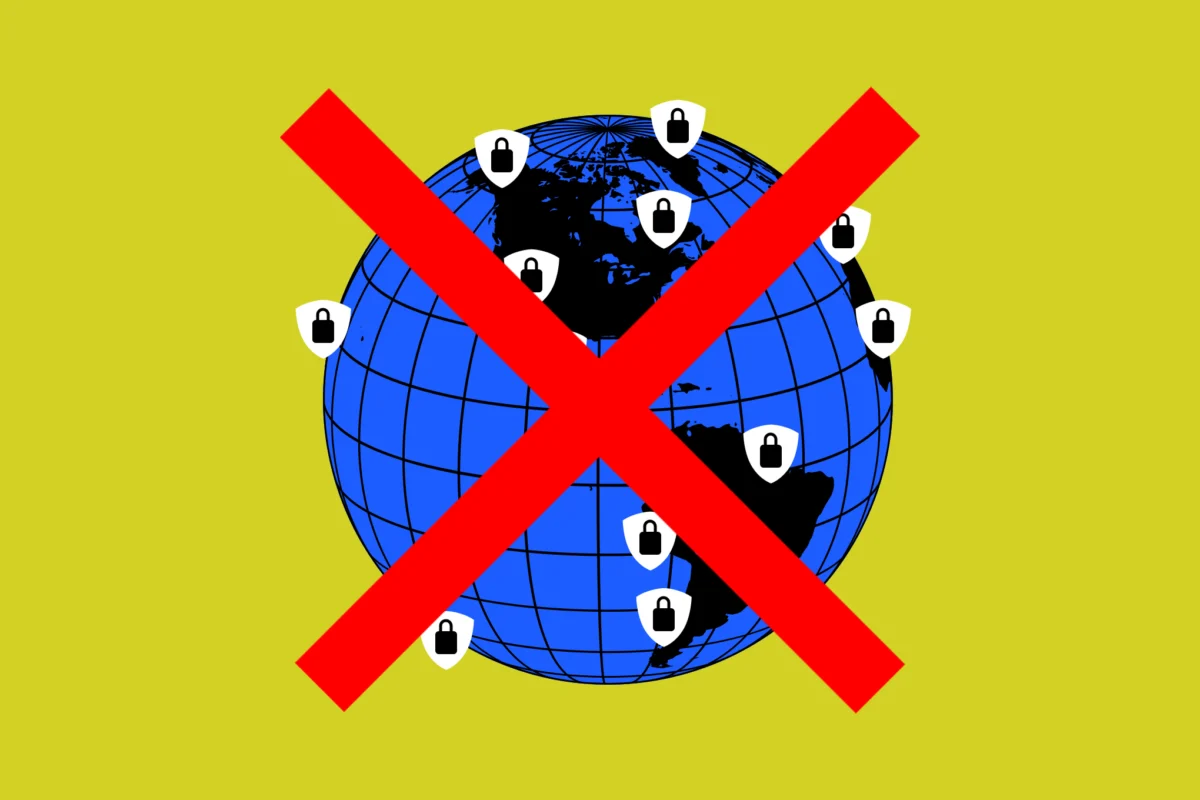
As governments worldwide increasingly implement stringent online age verification measures under the guise of protecting minors, a parallel and potentially more profound threat is emerging: the systematic crackdown on Virtual Private Networks (VPNs), technologies that have become indispensable tools for privacy, security, and unfettered internet access for millions.
The evolution of Virtual Private Networks (VPNs) from a niche business tool to a widely adopted consumer technology is a testament to the changing digital landscape and growing concerns about online privacy and security. Initially conceived in the 1990s, the foundational principles of VPNs were rooted in enabling businesses to establish secure, encrypted connections between remote offices over existing internet infrastructure. This innovative approach offered a cost-effective alternative to expensive leased lines, allowing for the confidential transmission of sensitive corporate data. Pioneers like Microsoft, AT&T, and Cisco laid the groundwork, but the true democratization of VPN technology began in 2001 with the launch of OpenVPN by Francis Dinha and James Yonan. This open-source solution provided a robust and accessible platform for both enterprises and individual users seeking enhanced security.
However, the catalyst for the widespread public adoption of VPNs was not primarily technological advancement, but a seismic revelation in 2013: the extensive surveillance programs conducted by the National Security Agency (NSA), as exposed by whistleblower Edward Snowden. These disclosures fundamentally altered public perception of online privacy, revealing the pervasive nature of government data collection. In the aftermath, a significant portion of the population began actively seeking ways to safeguard their digital footprint. Pew Research surveys from the mid-2010s indicated a marked increase in privacy-conscious behaviors, with a substantial percentage of Americans reporting taking measures to protect their online anonymity, including clearing cookies, encrypting communications, and, crucially, adopting VPNs. Coinciding with this burgeoning privacy movement, the rise of streaming services and their geographically restricted content libraries presented a tangible benefit for VPN users, enabling access to a broader range of entertainment options. Furthermore, the prevalence of torrenting and the associated privacy concerns also contributed to the growing utility and popularity of VPNs.
While government surveillance spurred an initial wave of privacy awareness and VPN adoption, a new and increasingly potent driver has emerged: the global push towards an "age-gated" internet. This trend, ostensibly aimed at safeguarding children from inappropriate content, is manifesting through invasive age verification mechanisms that demand users submit sensitive personal information, such as government-issued identification, financial details, or biometric data like video selfies. Critics argue that these requirements, while framed as protective, fundamentally undermine the privacy and anonymity of all users. The aggregation of such sensitive data creates significant vulnerabilities, making individuals and platforms targets for sophisticated data breaches and identity theft.
In response to these intrusive age verification mandates, a growing number of individuals are turning to VPNs as a means to circumvent these digital gatekeepers. By masking their true geographic location and routing their internet traffic through servers in regions without such restrictions, users can often bypass these verification processes. This dynamic has been observed in numerous jurisdictions. Following Florida’s implementation of age verification for adult websites, searches for VPNs in the state reportedly surged. Similarly, the United Kingdom witnessed a significant increase in mobile VPN usage after introducing age verification requirements for adult content platforms and even social media sites like Reddit, Bluesky, and Discord. Australia has also experienced a notable rise in VPN adoption, particularly after enacting restrictions on social media access for individuals under 16 and implementing age checks for pornographic websites. These geographical trends highlight a clear correlation between the imposition of age verification measures and an increased reliance on VPNs to maintain online freedom.
The burgeoning reliance on VPNs to circumvent age verification measures has, in turn, attracted the attention of lawmakers and regulatory bodies, leading to a palpable threat to the future accessibility and legality of this technology. In Michigan, a proposed bill has sought not only to restrict VPN access but also to ban the distribution of adult content and compel Internet Service Providers (ISPs) to actively block and filter a wide array of adult material. This legislative initiative has also been criticized for potentially targeting depictions of transgender individuals online. While a similar attempt in Wisconsin to include a VPN ban within an age verification bill was ultimately rescinded following significant public outcry, the legislative appetite for restricting VPNs remains evident in various regions.
Beyond the United States, international regulatory bodies are also scrutinizing VPN usage. The UK’s Children’s Commissioner has publicly referred to VPNs as a "loophole that needs closing," and the country’s communications regulator, Ofcom, is reportedly monitoring VPN activity in the wake of new online safety legislation. In France, the Minister Delegate for Artificial Intelligence and Digital Affairs has indicated that VPNs are a priority for evaluation, particularly in the context of the nation’s recent ban on social media access for individuals under 15. This global trend suggests a coordinated effort by various governments to tighten control over online access and information flow.
The implications of restricting VPN access are far-reaching and extend beyond the circumvention of age verification. VPNs are critical tools for a diverse range of users, including businesses requiring secure remote access to corporate networks, students needing to access academic resources, and individuals relying on them for essential privacy and security. Activists, journalists, and members of marginalized communities, such as the LGBTQ+ community, depend on VPNs to protect their communications, safeguard sensitive information, and operate without fear of surveillance or reprisal. The Electronic Frontier Foundation (EFF) has vocally opposed broad VPN bans, emphasizing their role in protecting fundamental digital rights. Furthermore, the effectiveness of outright VPN bans is questionable, as determined users are likely to develop alternative methods for circumventing restrictions, such as establishing their own private networks.
The philosophical underpinnings of such restrictions are also being challenged. Libertarian think tanks, such as the Cato Institute, argue that banning VPNs places nations like the US, UK, and Australia in the same category as authoritarian regimes like North Korea, Russia, and China, which actively suppress digital freedoms and view VPNs as a threat to state control. These organizations contend that lawmakers should focus on enforcing existing age-appropriate content regulations rather than enacting broad prohibitions that curtail the rights of law-abiding citizens.
The current trajectory, where the development and implementation of online age verification systems appear to be outpacing thorough consideration of their societal impact, makes the escalating threats to VPN technology particularly concerning. The push for these new regulatory frameworks, coupled with the potential for widespread VPN restrictions, signals a critical juncture in the ongoing debate between online safety, government oversight, and individual liberties. The effectiveness and ethical implications of these measures remain subjects of intense debate, with the potential for unintended consequences on a global scale. As technology continues to evolve and societal norms shift, the balance between protection and freedom in the digital realm will undoubtedly remain a central and contentious issue. The narrative surrounding online age verification is not merely about protecting children; it is increasingly becoming a proxy for broader debates about internet governance, user privacy, and the fundamental right to access information in an increasingly regulated digital world. The future of VPNs, therefore, is intrinsically linked to the future of online freedom itself.




 Ayu Aulia
 Ridwan Kamil
 Safa Marwah
 Lisa Mariana