Ridwan Kamil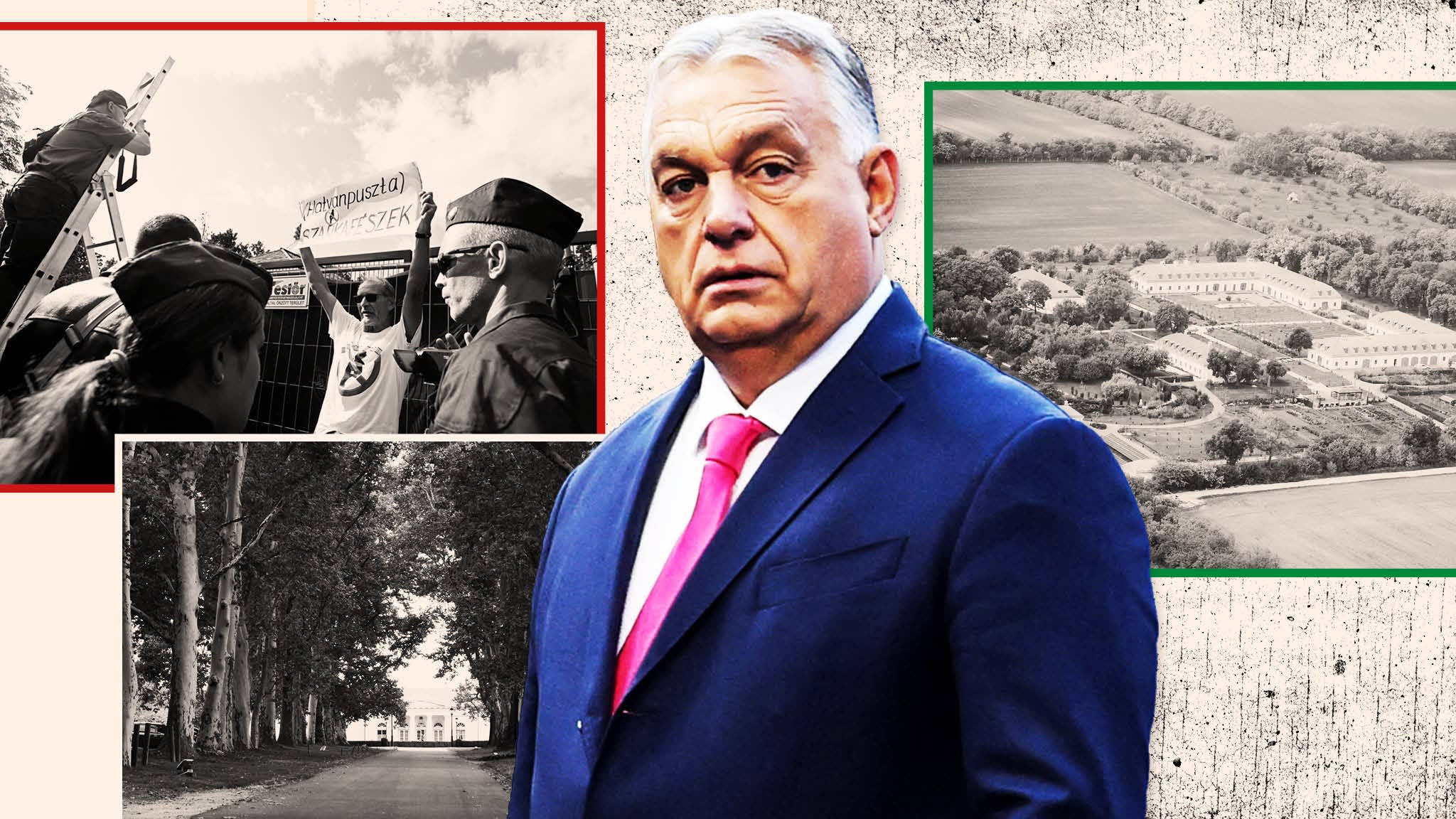
A comprehensive examination of the economic vitality and socio-political underpinnings of Felcsút, the Hungarian Prime Minister Viktor Orbán’s ancestral village, reveals a microcosm of national development strategies and the concentration of resources, prompting deeper analysis of its implications for regional and national governance.
Felcsút, a relatively small settlement in the heart of Hungary, has become a focal point of attention due to its intimate connection with Prime Minister Viktor Orbán. The village’s transformation in recent years, marked by significant infrastructural development and a palpable sense of prosperity, warrants a detailed investigation into the forces driving its ascent and the broader context within which these changes are occurring. This analysis will delve into the economic drivers, governance structures, and social dynamics that define Felcsút, offering a nuanced perspective on its unique position within the Hungarian landscape.
A Village Transformed: Influx of Investment and Infrastructural Overhaul
The most striking characteristic of Felcsút’s recent history is the dramatic surge in investment and the subsequent overhaul of its infrastructure. Once a typical rural Hungarian village, it now boasts amenities and facilities that are disproportionately advanced for its size. This transformation is not accidental; it is intrinsically linked to the political trajectory of Viktor Orbán and his government’s emphasis on regional development and national projects.
Key to understanding Felcsút’s economic uplift is the significant allocation of state and EU funds. This influx has facilitated the construction of modern sports facilities, including a state-of-the-art football academy and stadium, the Puskás Ferenc Football Academy. This project, in particular, has been a flagship initiative, aimed at fostering young sporting talent and, by extension, projecting a positive image of national sporting prowess. The academy, while ostensibly a sports development program, has also been a significant source of employment and economic activity within the village and surrounding areas. Its construction and ongoing operation have stimulated local businesses, from catering and accommodation to maintenance and security services.
Beyond the prominent sports complex, Felcsút has also seen substantial improvements in its public infrastructure. Roads have been modernized, public spaces have been renovated, and new community facilities have been established. These developments are not merely aesthetic upgrades; they represent a strategic investment in creating a more attractive and functional environment for residents and visitors alike. The improved connectivity, for instance, facilitates easier access for businesses and residents, potentially attracting further investment and talent.
The economic impact of these developments extends beyond direct employment. The presence of high-profile facilities like the football academy draws visitors, including sports enthusiasts, parents of aspiring athletes, and business delegations. This tourism, though perhaps not on a massive scale, contributes to the local economy through hospitality, retail, and other service sectors. Furthermore, the visibility gained from hosting national and international sporting events can enhance the profile of the region, potentially opening doors for further economic opportunities.
Governance and Resource Allocation: A Model of Centralized Development?
The development of Felcsút cannot be divorced from the governance model employed by the Hungarian government under Viktor Orbán. The concentration of decision-making power and resource allocation at the national level has, in many instances, enabled large-scale projects to be implemented with relative speed. This approach, while efficient in achieving specific development goals, also raises questions about equitable distribution of resources across the country.
The proximity of Felcsút to the seat of national power has undeniably played a role in its accelerated development. Projects initiated and funded by the central government have found a fertile ground in the Prime Minister’s home village. This phenomenon prompts analysis of whether such concentrated development is a deliberate strategy to showcase the government’s capabilities and achievements, or if it reflects a broader pattern of prioritizing regions closely aligned with political leadership.
The funding mechanisms for projects in Felcsút often involve a complex interplay of state budgets, EU funds, and private investments, sometimes facilitated through public-private partnerships. Understanding the exact flow of these funds and the decision-making processes behind their allocation is crucial for a comprehensive assessment. Critics often point to a lack of transparency in such processes, suggesting that political influence may supersede purely meritocratic considerations.
The concept of "targeted development" is central to understanding the Felcsút model. While proponents argue that it allows for the strategic channeling of resources to areas that can yield the greatest impact, detractors contend that it can exacerbate regional inequalities. The argument is that resources that could be dispersed more broadly to address systemic issues in less politically connected areas are instead concentrated in a select few locations. This raises questions about the long-term sustainability of such development strategies and their impact on national cohesion.
Socio-Economic Dynamics: Beyond the Infrastructure
While the physical infrastructure and economic activity are significant, the social fabric of Felcsút also warrants examination. The influx of investment and development has likely had a profound impact on the lives of its residents. This can include opportunities for employment, improved public services, and a general uplift in the quality of life. However, it is also important to consider potential social stratification and the impact of rapid change on the traditional character of the village.
The Puskás Ferenc Football Academy, for instance, attracts young individuals from across Hungary and even internationally. This demographic shift can introduce new social dynamics and potentially alter the existing community structure. While the academy offers educational and athletic opportunities, it also creates a distinct environment within the village, separate from the daily lives of long-term residents.
Furthermore, the economic opportunities generated by the development may not be evenly distributed within the local population. While some residents may benefit directly through employment or business ventures, others might find themselves on the periphery of these new economic activities. This can lead to social tensions if not managed effectively.
The increased visibility of Felcsút also brings a heightened level of scrutiny. While the government may view the village as a success story, external observers and critics often analyze it through the lens of governance, transparency, and equitable development. This dual perception highlights the complex relationship between political leadership, local development, and public discourse.
Broader Implications and Future Outlook
The case of Felcsút offers a compelling case study in contemporary Hungarian governance and development. It demonstrates the potential for rapid infrastructural transformation when resources are strategically channeled, often driven by political will. However, it also raises critical questions about the sustainability of such a model, its impact on regional disparities, and the principles of democratic resource allocation.
From an analytical perspective, Felcsút represents a tangible manifestation of the Orbán government’s vision for Hungary, one that prioritizes national pride, strategic infrastructure projects, and the consolidation of political influence. The success of such a model, in terms of long-term economic growth and social equity, remains a subject of ongoing debate and empirical evaluation.
The future trajectory of Felcsút will likely continue to be influenced by national political currents. Any shifts in government policy, funding priorities, or the political fortunes of its most prominent advocate could have a significant impact on the village’s development trajectory. Furthermore, the long-term economic viability of the large-scale projects, particularly the football academy, will depend on sustained success and continued investment, both public and private.
The lessons learned from Felcsút extend beyond its geographical boundaries. They offer insights into the dynamics of centralized development, the role of political patronage in resource allocation, and the challenges of achieving balanced regional growth in an era of significant political and economic shifts. As Hungary navigates its path forward, the story of Viktor Orbán’s home village will undoubtedly remain a significant reference point in discussions about its development and governance. The concentration of resources and attention on this single locale serves as a powerful illustration of how national ambitions can be physically embodied in the landscape of a small, historically significant, and politically connected community. The ongoing analysis of Felcsút is therefore not merely an examination of a village, but a window into the broader socio-economic and political architecture of modern Hungary.


 Lisa Mariana
 Ayu Aulia
 Safa Marwah