Aura Kasih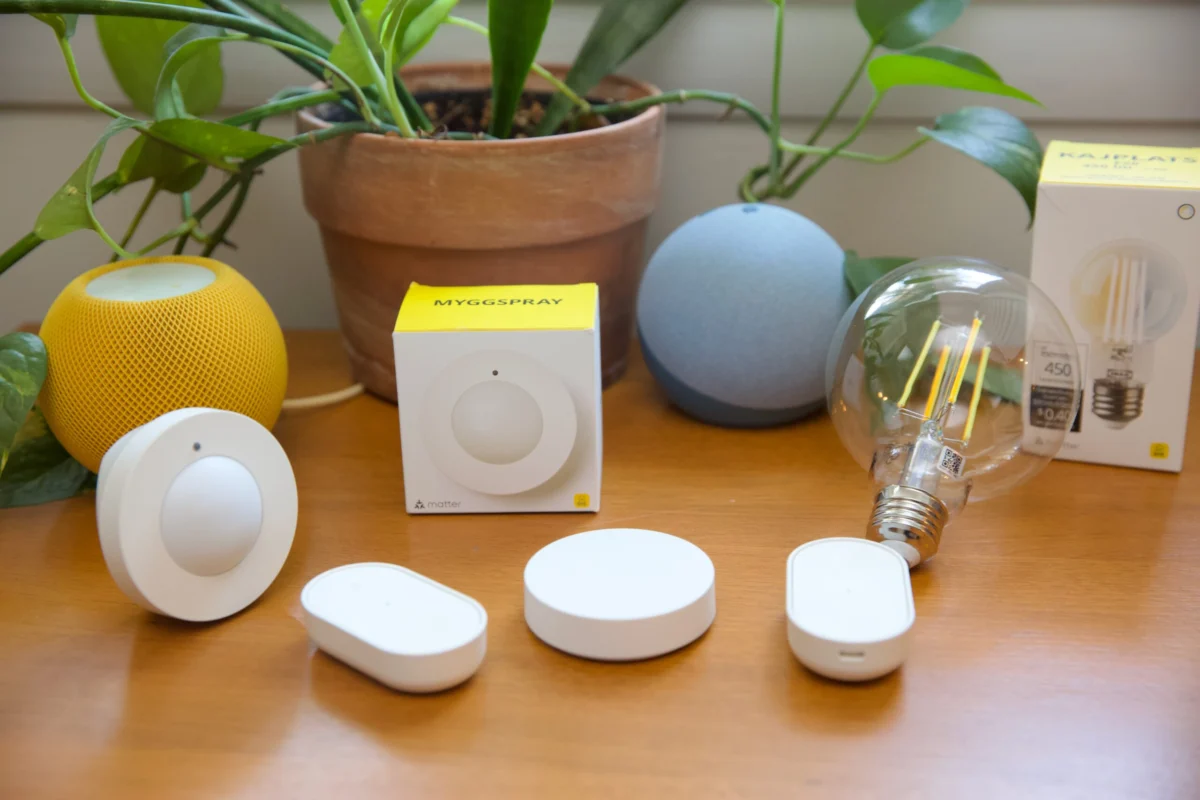
Ikea’s foray into the smart home arena, spearheaded by its Matter-over-Thread product line, aimed to democratize intelligent living with affordable, reliable, and user-friendly devices. However, despite the promise of seamless integration and an accessible entry point into home automation, early adoption and widespread user experiences reveal significant hurdles that prevent this vision from being fully realized. The extensive range, encompassing everything from motion sensors and smart plugs to air quality monitors and smart bulbs, all designed to work within the emerging Matter standard, has instead highlighted the persistent complexities of achieving true interoperability in the connected home.
The foundational promise of the Matter standard was elegant: to create a unified language for smart home devices, allowing them to communicate effortlessly across different ecosystems. This vision was particularly appealing for a company like Ikea, known for its commitment to accessible design and mass-market appeal. The allure of building a functional smart home with products starting at a remarkably low price point, such as the $6 sensors, was potent. Yet, the reality for many consumers, and indeed for this analysis, has been a stark departure from this idealized scenario, marked by persistent connectivity and onboarding frustrations.
Initial deployments of Ikea’s Matter-over-Thread devices, beginning in January, were met with a significant number of reported issues. These problems were not confined to a single platform but were widely documented across major smart home ecosystems, including Apple HomeKit, Google Home, and even Ikea’s own Dirigera hub. Online forums and user communities became a hub for shared troubleshooting attempts, with many individuals detailing arduous and often unsuccessful attempts to integrate these new devices. The experience of some prominent tech reviewers mirrored this sentiment, with detailed accounts of the complexities involved in simply getting a device recognized and operational within their existing smart home infrastructure. The process, intended to be straightforward, often devolved into a frustrating exercise in trial and error.
The troubleshooting journey for these devices proved to be anything but intuitive. While some users found temporary workarounds, such as forcing specific platforms to utilize alternative home hubs, these solutions were often inconsistent and platform-dependent. For instance, a successful connection to Google Home on one occasion might be followed by an outright failure when attempting to add a different device to Apple Home, even within the same network environment. This inconsistency suggests that the issues are not solely attributable to individual user network configurations, which can indeed be complex, but rather point to deeper challenges within the Matter ecosystem’s implementation and its interaction with established smart home platforms.

Ikea, while acknowledging that the products function as intended for the majority of its customer base, has not shied away from the fact that a subset of users are encountering difficulties. The company has responded by releasing software updates for its Dirigera hub, aimed at bolstering Matter-over-Thread stability, and has expanded its online troubleshooting resources. These resources offer a range of advice, from basic steps like device restarts to more advanced network configuration adjustments, such as enabling IPv6, a crucial component for Thread and Matter to function effectively. The proliferation of such varied and sometimes arcane troubleshooting advice underscores the underlying complexity and the lack of a universally straightforward solution.
Further investigation into the root causes of these widespread issues reveals a multifaceted problem that extends beyond the capabilities of any single manufacturer. The ambitious goal of Matter was to foster an environment where devices from different brands would work harmoniously, breaking down the silos that have historically characterized the smart home market. However, the reality has shown that while the Matter standard provides a common language at the application layer, the underlying network protocols and the specific implementations by major platform providers can introduce significant friction.
The Thread Group, the governing body for the Thread protocol, has emphasized that while Thread offers a robust network foundation, achieving a truly seamless end-to-end experience necessitates continuous collaboration across all involved components. This includes the mobile applications used for control, the application protocols themselves, the network layer, the platform software, and the hardware design of each device. The current landscape suggests that this collaborative optimization is still in its nascent stages, with each major player – Apple, Google, and Amazon – exhibiting a tendency to prioritize their own ecosystems and proprietary features.
This dynamic has led to a situation where, despite Matter’s design for interoperability, achieving it in practice remains a significant undertaking for manufacturers. The onus is still heavily placed on individual companies like Ikea to ensure their devices function flawlessly with each of the major smart home platforms. This is a considerable challenge, as it requires rigorous testing and validation across a diverse and ever-evolving technological landscape. The "build once, work everywhere" ideal of Matter has, in practice, become a "build once, test everywhere, and hope for the best" scenario.
One prevailing theory for the persistent issues centers on how the different smart home platforms interact with Matter devices at a fundamental level. Manufacturers have limited control over these interactions once a device is released, making it difficult to preemptively address platform-specific quirks or bugs. This lack of direct influence over the final user experience, post-integration with a chosen platform, represents a critical bottleneck in the realization of Matter’s promise.

Adding to the complexity is the nature of the Thread protocol itself. While designed for low-power, IP-based communication, Thread networks can be finicky. The reliance on Thread Border Routers – devices that bridge Thread networks to other IP-based networks like Wi-Fi – presents a potential point of failure. The presence of too many, too few, or incompatible Thread Border Routers within a home can lead to connectivity disruptions. The fact that Border Routers from different manufacturers are not always interoperable further exacerbates this issue, creating a potential for network instability.
Ikea’s product release strategy may have also inadvertently contributed to the challenges. The staggered release of its Matter-over-Thread devices, with battery-powered sensors and remotes appearing before mains-powered devices like smart bulbs, could have impacted network performance. Thread networks rely on mains-powered devices to act as repeaters and maintain the mesh’s integrity. Without a sufficient density of these powered devices, the low-power, battery-operated components may experience intermittent connectivity issues as they struggle to maintain a stable link within the network.
In response to these emerging challenges, the Connectivity Standards Alliance, the organization behind Matter, has established an interoperability lab. This initiative aims to provide manufacturers with a controlled environment to test their devices across various platforms and identify potential compatibility issues before broad release. Whether Ikea fully leveraged this resource during its development phase is unclear, but the ongoing issues suggest that even with such measures, the complexities of cross-platform compatibility remain substantial.
Ikea’s current efforts are focused on refining its Dirigera hub software, with an emphasis on enhancing Thread network performance and streamlining the Matter onboarding process. Updates aim to improve network communication, rectify issues with stale network settings, and address connectivity disruptions that can derail device setup. The company has also introduced new tools within its Home Smart app, such as a Thread reset function and a Thread network diagnostic tool (currently iOS-exclusive), designed to help users troubleshoot and re-establish stable network connections.
These new diagnostic and reset tools, while not a panacea, have shown some promise in resolving individual connectivity problems. Reports indicate that with these updates and troubleshooting steps, some users have experienced improved success rates in onboarding devices and have achieved multi-admin functionality, allowing devices to be shared across different smart home platforms. However, persistent issues with specific device types or platform integrations continue to surface, demonstrating that the path to universal reliability is still arduous.

Ikea’s experience serves as a critical case study, highlighting a fundamental flaw in the current implementation of the Matter standard: the overreliance on the promise of platform interoperability without robust mechanisms to enforce it. The expectation that a device built to the Matter standard will simply "just work" across all platforms has proven to be overly optimistic. The reality is that each platform still requires significant effort and ongoing maintenance from manufacturers to ensure a consistent and reliable user experience.
The implication for the broader smart home industry is significant. Until the major platform providers – Apple, Google, and Amazon – fully commit to prioritizing true interoperability and collaborate more effectively, manufacturers will continue to face the challenge of navigating a fragmented and often unpredictable technological landscape. This not only hinders the adoption of new smart home devices but also risks alienating consumers who are seeking a simple, plug-and-play experience. Without a more unified and predictable ecosystem, the smart home risks remaining confined to the realm of early adopters, failing to achieve the mass-market penetration that Matter was intended to facilitate.
The current onboarding experience for Matter devices, as exemplified by Ikea’s rollout, is far from ideal. While solutions can often be found through dedicated troubleshooting and community support, this is not sustainable for widespread consumer adoption. The core promise of Matter was simplicity and universal compatibility. The fact that this promise is not yet being consistently met, not due to the failure of any single entity but rather the collective challenges within the ecosystem, casts a shadow over the future of truly integrated smart homes. The ultimate consequence is that consumers may opt for simpler, more reliable, albeit less interconnected, solutions, or simply abandon the pursuit of a comprehensive smart home altogether. The question is no longer who is at fault, but rather when and how the industry will collectively deliver on the fundamental promise that Matter made: it should just work.




 Ayu Aulia
 Ridwan Kamil
 Safa Marwah
 Lisa Mariana