
 Ridwan Kamil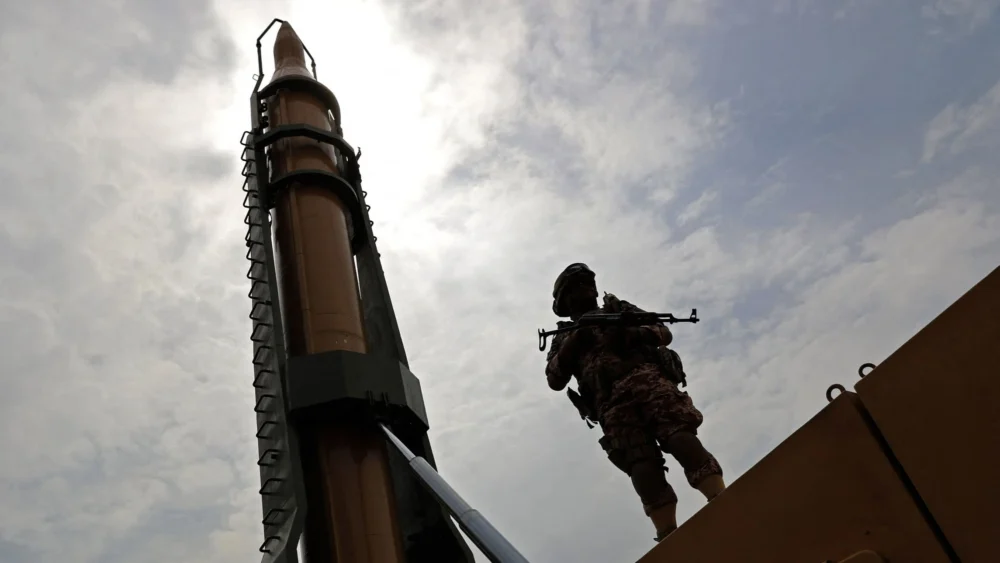
Iran has delivered a stark warning, vowing to strike American military installations throughout the Middle East in retaliation for a recent, unspecific transgression, a declaration made mere hours after the United States issued an apology for an undisclosed incident. This rapid escalation in rhetoric underscores the volatile geopolitical landscape of the region and highlights the delicate balance of power dynamics between Iran and the United States, with potential ramifications for regional stability.
The Islamic Republic’s pronouncements, disseminated through official channels, signal a hardening of its stance and an assertion of its retaliatory capabilities. While the precise nature of the U.S. action that prompted Iran’s ire remains obscured, the timing of the Iranian threat, juxtaposed with the American apology, suggests a complex diplomatic maneuver or a significant misstep that has strained already taut relations. The dual pronouncements create an atmosphere of uncertainty, leaving observers to decipher the underlying causes of this diplomatic friction and its potential consequences.
Deciphering the Ambiguity: Iran’s Strategic Signaling and U.S. Diplomatic Calculus
The deliberate ambiguity surrounding the U.S. apology and the specific grievance cited by Iran is a critical element in understanding the unfolding situation. Such vagueness can serve multiple strategic purposes. For Iran, it allows for a broad interpretation of the offense, potentially encompassing a range of perceived provocations, thereby maximizing the perceived legitimacy of its retaliatory posture. This approach also preserves flexibility, enabling Tehran to adjust the scale and nature of its response based on evolving circumstances and desired strategic outcomes.
From a U.S. perspective, issuing an apology, even for an unspecified transgression, can be an attempt to de-escalate a situation, prevent further escalation, or mend a damaged diplomatic channel. However, the subsequent Iranian threat indicates that, at least from Tehran’s viewpoint, the apology was either insufficient, insincere, or that the underlying issue was of such gravity that it demanded a more forceful response. This dichotomy suggests a significant disconnect in perceptions of the incident and its resolution.
The nature of the potential U.S. transgression could range from a military incursion or intelligence operation perceived as violating Iranian sovereignty, to a diplomatic insult or a perceived betrayal of trust. Without further clarification, speculation is rife, but the Iranian response suggests that the action was deemed significant enough to warrant a direct threat of military action.
The Spectre of Regional Confrontation: Targeting U.S. Assets in the Middle East
Iran’s threat to target U.S. bases across the region is not a hollow one. The Islamic Republic has cultivated a network of proxy forces and has demonstrated its capacity to project power through asymmetric means, including ballistic missile strikes, drone attacks, and support for militant groups. The potential targets are numerous, spanning the Persian Gulf, Iraq, Syria, Yemen, and beyond, where significant U.S. military infrastructure and personnel are stationed.
These bases serve as critical nodes for U.S. intelligence gathering, power projection, and the maintenance of regional security architectures. Any disruption or damage to these facilities would have immediate and far-reaching consequences for regional stability, potentially triggering a broader conflict. The threat itself serves as a deterrent, aiming to compel the U.S. to exercise greater restraint and consider the potential costs of its actions.
Iran’s Strategic Calculus: Deterrence, Domestic Legitimacy, and Regional Influence
Iran’s pronouncements are likely driven by a complex interplay of strategic objectives. Firstly, the threat of retaliation serves as a potent form of deterrence, aiming to dissuade the U.S. from further actions that Tehran deems provocative. By signaling its willingness and capability to inflict damage, Iran seeks to raise the cost of any future U.S. military or diplomatic maneuvers that it perceives as adversarial.
Secondly, such assertive rhetoric can be crucial for bolstering domestic legitimacy. In the face of economic pressures and internal dissent, a strong anti-American stance can rally nationalist sentiment and reinforce the image of the regime as a defender of national interests against foreign adversaries. This can be particularly important in diverting attention from domestic challenges and consolidating support among key constituencies.
Thirdly, Iran’s actions are intrinsically linked to its broader regional ambitions. The Islamic Republic seeks to assert its influence and challenge the existing U.S.-backed regional order. By threatening U.S. assets, Tehran aims to demonstrate its ability to disrupt regional security and project power, thereby increasing its leverage in regional negotiations and power dynamics. This includes its ongoing rivalry with countries like Saudi Arabia and its support for various armed groups across the Middle East.
U.S. Dilemma: Responding to Provocation Without Escalation
The United States faces a significant diplomatic and military dilemma in this scenario. On one hand, it cannot afford to appear weak or unwilling to defend its interests and allies in the region. A perceived lack of response to a direct threat could embolden adversaries and undermine U.S. credibility.
On the other hand, a forceful military response to Iran’s threats could lead to a dangerous escalation, drawing the U.S. into a wider regional conflict with significant human and economic costs. The U.S. military presence in the region, while a deterrent, also makes it a vulnerable target.
The U.S. response will likely involve a multi-pronged approach. This could include diplomatic engagement, both overt and covert, to de-escalate tensions and seek clarification on the specific grievances. Simultaneously, the U.S. military would likely increase its readiness and defensive posture in the region to deter attacks and protect its assets. This might also involve intelligence sharing with allies to preempt any Iranian-backed attacks.
Expert Analysis: The Shadow of the Nuclear Deal and Regional Proxy Wars
The current situation cannot be viewed in isolation. It is deeply embedded within the broader context of the stalled Iran nuclear deal (JCPOA) and the ongoing proxy conflicts that have destabilized the Middle East for years. The lack of a clear diplomatic path forward on the nuclear issue likely contributes to Iran’s increased assertiveness and its willingness to employ more direct confrontational tactics.
Furthermore, the long-standing regional rivalries, particularly between Iran and its Arab neighbors, often play out through proxy conflicts in countries like Syria, Yemen, and Iraq. U.S. involvement in these conflicts, whether directly or indirectly, often draws the attention of Iran, which views such interventions as attempts to undermine its regional influence.
The current situation could be a manifestation of these underlying tensions, with the unspecified U.S. action serving as a trigger for Iran to reassert its displeasure and demonstrate its capabilities. Experts in regional security suggest that the risk of miscalculation on all sides is exceptionally high, making any diplomatic misstep or unintended escalation potentially catastrophic.
Potential Scenarios and Future Outlook
The immediate future hinges on the ability of both sides to engage in de-escalatory measures and to manage the flow of information and rhetoric. Several scenarios are plausible:
- De-escalation and Quiet Diplomacy: The U.S. apology, however vague, might be a genuine attempt to reset relations, and Iran’s threat, while severe, could be a bargaining tactic. If both sides can engage in discreet diplomatic channels, the immediate crisis could be averted.
- Limited Retaliation and Targeted Strikes: Iran might opt for limited, targeted strikes against U.S. interests, designed to inflict damage and send a message without triggering a full-scale war. The U.S. response to such strikes would be critical in determining the trajectory of the conflict.
- Full-Scale Regional Conflict: In a worst-case scenario, a miscalculation or a deliberate escalation by either side could ignite a wider regional conflict, drawing in other actors and leading to widespread instability. This would involve attacks on oil infrastructure, naval vessels, and potentially ground offensives.
The long-term outlook remains uncertain. The underlying geopolitical drivers of tension—Iran’s nuclear program, its regional ambitions, and the U.S. commitment to regional security—are unlikely to disappear. Without a comprehensive diplomatic framework that addresses these root causes, the Middle East will likely remain a theater of escalating tensions and potential confrontation. The current incident serves as a stark reminder of the fragility of peace in the region and the constant need for careful diplomacy and strategic restraint.



 Safa Marwah
 Aura Kasih
 Lisa Mariana
 Ayu Aulia