Ayu Aulia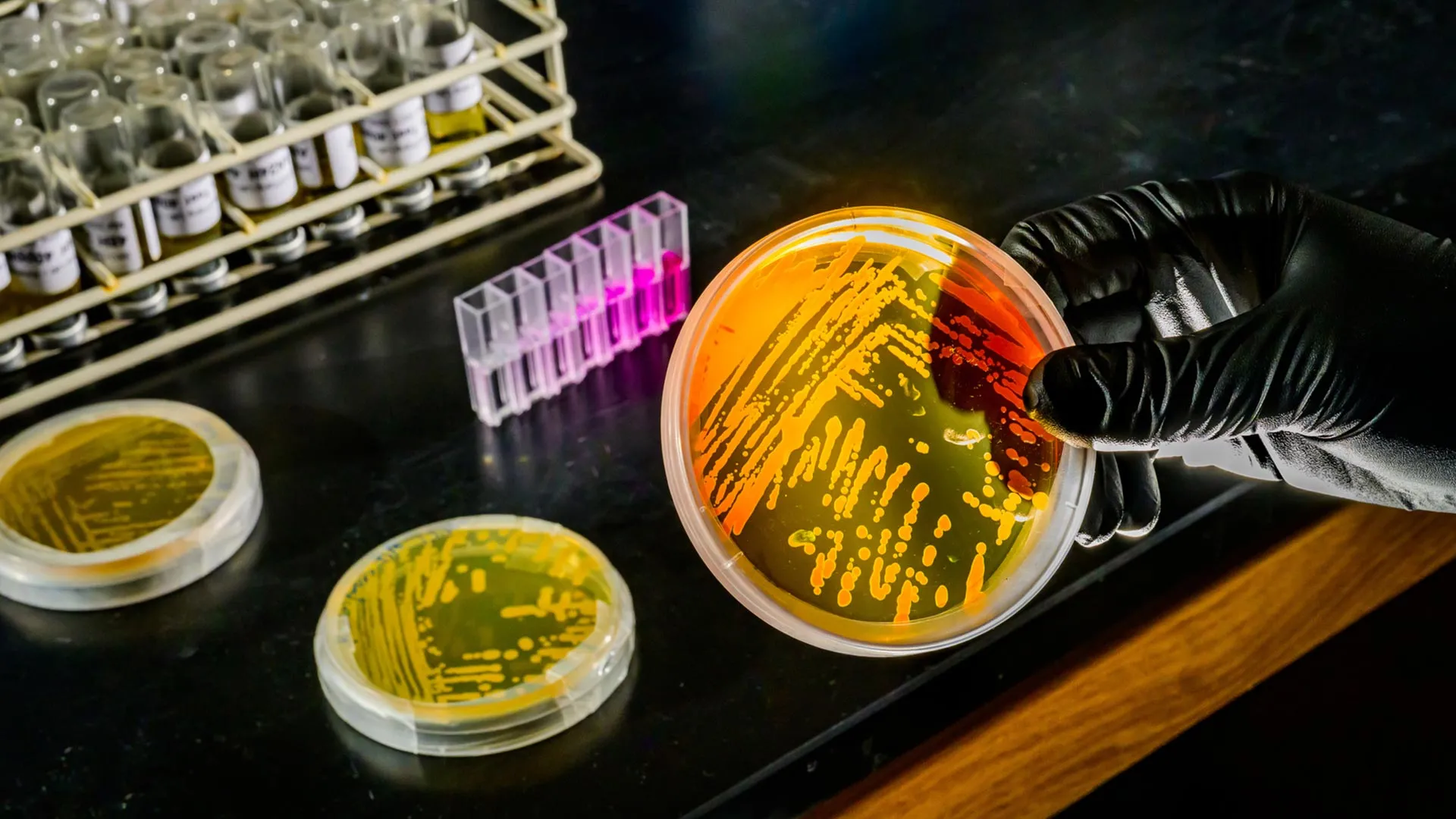
Accelerated ocean warming, driven by intensifying marine heatwaves and long-term climate shifts, is now penetrating deep ocean layers, prompting significant apprehension regarding its potential to destabilize marine biogeochemical and biological equilibrium. However, groundbreaking investigations suggest that a ubiquitous marine microorganism, Nitrosopumilus maritimus, is already exhibiting remarkable physiological adjustments to increasingly warmer and more oligotrophic environments. Researchers posit that these highly adaptable archaea, critical for their reliance on iron and their pivotal role in ammonia oxidation, could exert a profound influence over the global distribution and cycling of essential nutrients within the marine realm as climatic conditions continue their trajectory of change.
The findings, published in a leading scientific journal, underscore a fundamental shift in our understanding of deep-ocean resilience and the intricate mechanisms governing planetary nutrient cycles. Traditionally, the abyssal depths were perceived as largely insulated from surface climatic fluctuations, characterized by stable temperatures and relatively consistent chemical compositions. This new evidence challenges that long-held assumption, revealing a dynamic interplay between temperature, trace metal availability, and microbial metabolic efficiency that could have far-reaching implications for marine ecosystems worldwide.
The Indispensable Role of Marine Microbes in Geochemical Cycles
Nitrosopumilus maritimus, along with its closely related archaeal counterparts, collectively constitutes approximately 30% of the entire marine microbial plankton community. These organisms are not merely abundant; they are foundational to the very architecture of ocean chemistry. Scientists widely acknowledge their indispensable contribution to global biogeochemical cycles, particularly the nitrogen cycle, where they catalyze reactions vital for sustaining all marine life. These archaea perform ammonia oxidation, a critical step in which ammonia (NH₃) is converted into nitrite (NO₂⁻), thereby initiating the nitrification process. This transformation is central to the global nitrogen budget, determining the availability of nitrogen in various chemical forms accessible to other marine organisms.
Nitrogen, in its myriad forms, is a primary limiting nutrient for photosynthetic life in vast stretches of the ocean. By facilitating the conversion of nitrogen compounds in seawater, these microbes directly regulate the proliferation of other microbial plankton, including phytoplankton. Phytoplankton, in turn, form the crucial base of the marine food web, underpinning the productivity and biodiversity of nearly all oceanic ecosystems, from microscopic grazers to apex predators. Consequently, the metabolic activity and adaptive capacity of ammonia-oxidizing archaea (AOA) directly translate into the overall health and resilience of the entire marine biosphere. Any perturbation to their function or distribution could cascade upwards, impacting fisheries, carbon sequestration, and ocean oxygen levels.
Unveiling Deep-Sea Warming and Its Impact on Trace Metal Utilization
The pervasive influence of ocean warming is not confined to surface layers; scientific observations now confirm that its effects are extending to depths exceeding 1,000 meters. This realization represents a paradigm shift in oceanographic understanding. Professor Wei Qin, a distinguished microbiologist, elucidated this phenomenon: "We once operated under the premise that deeper waters were largely impervious to surface temperature increases. However, it is now unequivocally clear that deep-sea warming can profoundly alter how these ubiquitous archaea manage their iron resources – a metal upon which they are heavily dependent. This shift potentially affects the broader availability of trace metals throughout the deep ocean."
Iron, though present in trace amounts, is a critical micronutrient that often limits primary productivity in significant oceanic regions, particularly in high-nutrient, low-chlorophyll (HNLC) areas. Its availability dictates the growth rates of phytoplankton and, by extension, the entire marine food web. The deep ocean, while typically rich in dissolved inorganic nutrients like nitrate and phosphate, can still be limited by the scarcity of bioavailable iron. Any change in how key microbial players acquire and utilize this metal could therefore have substantial consequences for nutrient cycling and the overall biological pump, which transfers carbon from the surface to the deep ocean.
Experimental Validation: Enhanced Iron Efficiency in Warmer Regimes
To rigorously investigate these hypothesized metabolic adjustments, a collaborative research team, spearheaded by Professor Qin and Professor David Hutchins, a leading expert in global change biology, undertook a series of meticulously controlled laboratory experiments. A critical aspect of their methodology involved stringent measures to prevent trace metal contamination, a notorious challenge when studying micronutrient limitation in marine organisms. Contamination, even at minute levels, can obscure true physiological responses, making such precautions paramount for reliable data.
Pure cultures of Nitrosopumilus maritimus were subjected to a matrix of varying temperature conditions and different concentrations of bioavailable iron. The results were compelling and indicative of significant physiological plasticity. The experiments unequivocally demonstrated that under conditions of elevated temperature and simultaneous iron limitation, the microbes exhibited a reduced requirement for iron. Furthermore, they demonstrated a markedly enhanced efficiency in their utilization of the available iron. This pivotal finding strongly suggests that N. maritimus possesses an inherent capacity to metabolically acclimate to the dual stressors of higher temperatures and diminished iron availability, optimizing its cellular machinery to function effectively even when resources are scarce. This adaptation could involve altering the expression of iron-binding proteins, modifying iron uptake pathways, or re-prioritizing metabolic processes to minimize iron demand.
Modeling Global Implications: A Heightened Role in a Warming Future
To extrapolate these laboratory observations to a global scale and predict their potential impacts on ocean chemistry, the research team integrated their empirical findings with sophisticated global ocean biogeochemical models. This crucial modeling component was expertly managed by Dr. Alessandro Tagliabue, a prominent biogeochemical oceanographer. The synergy between empirical data and computational modeling is indispensable for understanding complex Earth system processes, allowing researchers to simulate future scenarios under various climate projections.
The integrated modeling outcomes painted a striking picture: deep-ocean archaeal communities are projected to not only maintain but potentially even enhance their critical role in nitrogen cycling and the support of primary production across vast, iron-limited regions of the global ocean, even as the climate continues its warming trend. This suggests a "supercharging" effect where these microbes, through their adaptive capabilities, could become even more dominant players in regulating nutrient flows. If these essential nitrogen-cycling microbes thrive under future conditions, it could stabilize, or even increase, the supply of bioavailable nitrogen to primary producers, potentially buffering some of the negative impacts of climate change on ocean productivity. Such a scenario would have profound implications for marine food webs, carbon export, and the overall biogeochemical stability of the ocean.
Future Validation: An Expedition to the Real-World Ocean
Recognizing the imperative of validating laboratory findings in the complex, heterogeneous environment of the open ocean, Professors Qin and Hutchins are poised to co-lead a significant research expedition. Later this summer, they will embark as co-chief scientists aboard the research vessel Sikuliaq, a state-of-the-art ice-capable research vessel. The ambitious voyage will commence its journey from Seattle, traversing the dynamic waters of the Gulf of Alaska, and subsequently proceeding into the expansive subtropical gyre, with a planned port call in Honolulu, Hawaii.
This extensive expedition will host a multidisciplinary team of 20 additional researchers, each contributing specialized expertise to the overarching goal of investigating natural archaeal populations in their native habitats. The primary objective is to rigorously confirm the experimental results obtained in the controlled laboratory setting under real-world conditions. This involves collecting a vast array of environmental data, including temperature profiles, nutrient concentrations, trace metal speciation, and in situ microbial activity measurements. The expedition aims to unravel the intricate interplay between temperature shifts and the availability of trace metals, particularly iron, and how these factors collectively sculpt the metabolic activity and ecological dynamics of microbial communities in the deep ocean.
The selected transect from the Gulf of Alaska to the subtropical gyre is particularly strategic. The Gulf of Alaska is characterized by seasonal iron inputs from continental margins and atmospheric deposition, while the subtropical gyre represents a vast, oligotrophic (nutrient-poor) region known for its chronic iron limitation. Studying Nitrosopumilus maritimus and its relatives across these contrasting environments will provide invaluable insights into their adaptive strategies and ecological resilience under diverse biogeochemical regimes. The data collected will serve to refine global ocean models, enhancing their predictive power regarding the future of ocean nutrient cycles and their implications for marine life in a rapidly changing world. This ongoing, collaborative, and interdisciplinary research is crucial for developing a comprehensive understanding of how the ocean’s most fundamental processes will respond to anthropogenic pressures, ultimately informing conservation efforts and climate change mitigation strategies.



 Ridwan Kamil
 Safa Marwah
 Aura Kasih
 Lisa Mariana