Lisa Mariana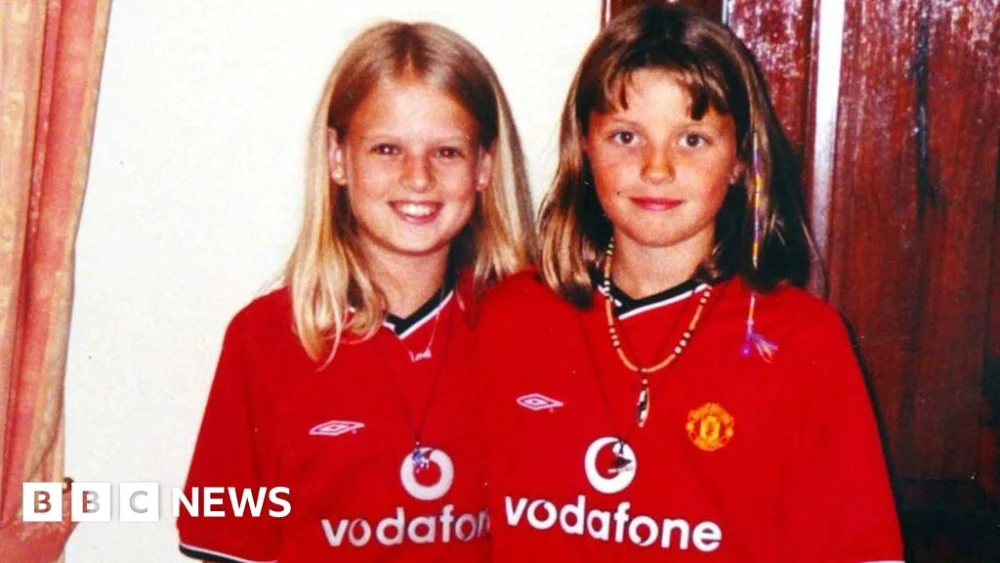
The recent death of Ian Huntley, the convicted killer responsible for the heinous 2002 murders of Holly Wells and Jessica Chapman, has brought a stark reaffirmation of the Cambridgeshire town of Soham’s long-held commitment to collective silence and deliberate disregard for its perpetrator. For over two decades, the community has actively chosen to divert its focus from the man who inflicted unimaginable pain, instead channelling its energies into healing and preserving the memory of the two ten-year-old girls whose lives were so cruelly cut short. This stance, firmly rooted in a desire to deny Huntley any further platform or significance, underscores a profound community resilience and a clear articulation of where its priorities lie: not with the architect of its trauma, but with its own journey toward recovery and remembrance.
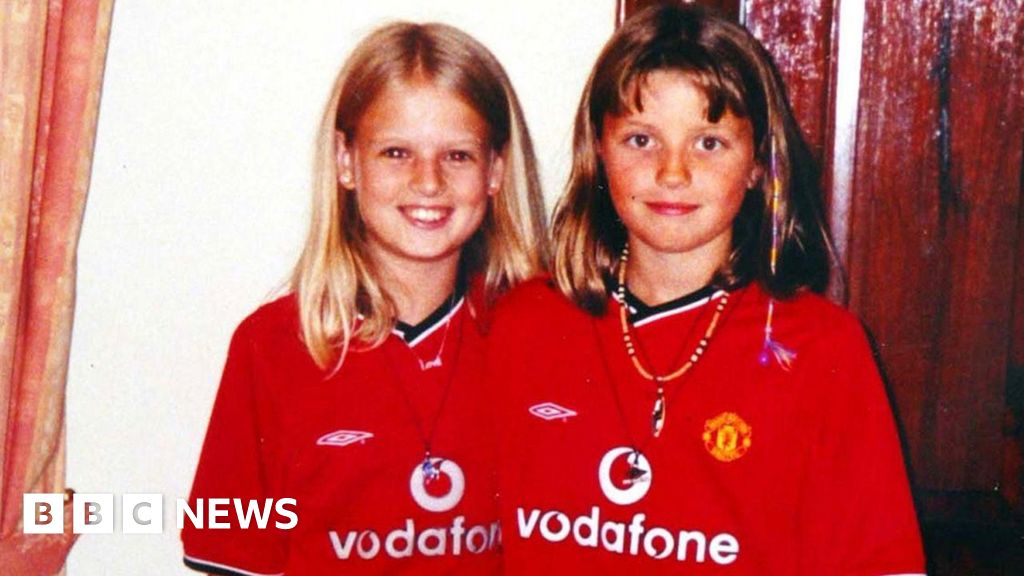
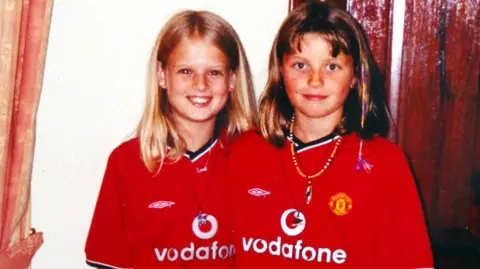
The tragic events of August 2002 irrevocably altered the fabric of Soham. What was once a relatively obscure, close-knit rural community in the flat expanse of The Fens was thrust into the global spotlight for the most devastating of reasons. The disappearance of best friends Holly Wells and Jessica Chapman, last seen leaving a family barbecue, ignited a frantic, nationwide search that captivated and horrified the United Kingdom. The image of the smiling girls in their matching red football shirts became an indelible symbol of lost innocence, etched into the national consciousness. For a harrowing fortnight, hope and despair vied for dominance, culminating in the grim discovery of their bodies approximately ten miles away, near RAF Lakenheath in Suffolk. The subsequent identification of Ian Huntley, then a caretaker at Soham Village College, as the perpetrator, sent shockwaves through the community, a betrayal made more profound by his proximity and initial feigned concern.
From that moment, Soham joined a somber roll call of British towns – Dunblane, Aberfan, Lockerbie – forever associated with profound national tragedies. Yet, unlike some locales that may grapple with the lingering shadow of their perpetrators, Soham forged a deliberate path of disengagement. The collective decision by residents, local authorities, and even the victims’ families, has been to deny Huntley any further space in their thoughts, conversations, or public discourse. His recent demise at the age of 52, taking with him the full, horrific details of the girls’ final moments within 5 College Close, has merely solidified this long-standing resolve, rather than provoking any widespread reaction of celebration or renewed animosity.
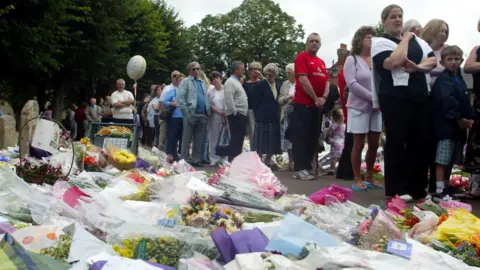
The rationale behind this communal reticence is multi-faceted and deeply rooted in the town’s experience of the initial tragedy. The period immediately following the girls’ disappearance and the subsequent investigation saw Soham inundated by media attention, a relentless glare that, while instrumental in the search effort, also imposed immense pressure on its residents. The intrusion, the constant questioning, and the commodification of their grief created a collective aversion to further public engagement, particularly concerning the man who brought such sorrow. As one observer noted, the town developed a profound dislike for media attention, recognising the intense scrutiny placed on Huntley at the time, but now firmly believing he is "not worth their breath or time." This sentiment is not merely a colloquialism; it represents a conscious, collective decision to withhold the emotional energy and public oxygen that might otherwise inadvertently perpetuate his notoriety.
The silence is a protective mechanism, a way for the community to reclaim its narrative from the clutches of tragedy. The deliberate omission of Huntley from public discussion serves to elevate the memory of Holly and Jessica, ensuring their lives, rather than his crime, remain the focal point. It is an act of defiance against the perpetrator’s attempt to define their town by his actions. The father of Holly, Kevin Wells, upon being informed of Huntley’s death, notably declined to comment, a powerful testament to this shared stance. Similarly, the town council, the local vicar, and numerous trusted community contacts have consistently refused to discuss the matter, illustrating a unified front designed to minimise any ripple effect from the killer’s passing.
Dr. Anne Eyre, a director at the Centre for Collective Trauma, offers critical insight into the psychological underpinnings of Soham’s enduring response. She explains that for many residents, renewed headlines pertaining to Huntley, even concerning his death, can be akin to "going back to day one" of their trauma. These events are not isolated incidents but "wide, long and deeply impacting," capable of reverberating through generations. The trauma experienced by a community can become an intrinsic part of its collective identity, shaping its "narrative, story or identity." This helps to elucidate why, even after two decades, the community remains guarded, preferring not to engage with outsiders on such sensitive subjects. Time, Eyre posits, does not always act as a healer; instead, the process of grappling with a traumatic experience becomes an ongoing aspect of self-understanding for individuals and the community alike. The desire to shield younger generations from the direct re-exposure to the painful details, and to prevent the perpetuation of the perpetrator’s memory, also plays a significant role in maintaining this protective silence.
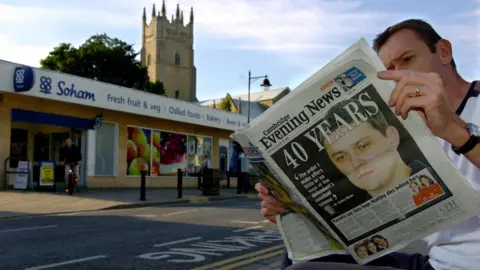
Reactions within Soham to Huntley’s death, though largely unspoken publicly, are nuanced. Some anonymous voices within the community perceive his death as a form of poetic justice, a clandestine blessing that brings a definitive end to his existence. For these individuals, it may offer a subtle sense of closure, an assurance that he can no longer pose a threat or cause further suffering, even within the confines of a prison. Conversely, others view his death as a "catastrophic failure" of the Prison Service, believing he should have been compelled to serve the entirety of his life sentence, a minimum term of 40 years, behind bars. This perspective highlights a desire for full accountability and the symbolic importance of a sentence being carried out to its intended conclusion.
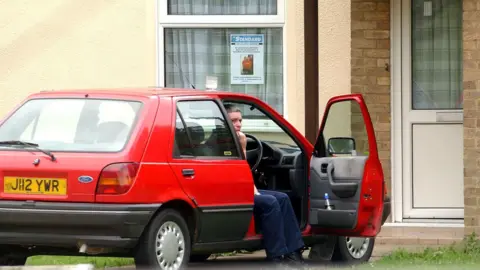
However, even amongst these differing private sentiments, there is a unifying thread: a steadfast refusal to accord Huntley any significant attention. Charlotte Cane, the Liberal Democrat MP for Ely and East Cambridgeshire, articulated this prevailing sentiment concisely: "He clearly didn’t want to serve his full life sentence; he clearly found it difficult. But, in many ways, I don’t really care about him anymore. It’s the people who suffered because of him, they’re the people who matter." This statement encapsulates the community’s overarching focus: directing empathy and remembrance towards the victims and their families, rather than expending emotional or intellectual energy on the perpetrator.
The suspected nature of Huntley’s death, reportedly at the hands of triple killer Anthony Russell, 43, while potentially adding another layer of grim detail for external observers, is unlikely to shift Soham’s core approach. For a community so deeply scarred, the mechanics of his demise hold less import than the fact of it, and the opportunity it presents to definitively close a chapter, however painful.
Ultimately, Soham’s response to Huntley’s death is a powerful testament to communal resilience and the enduring human spirit. It is a conscious rejection of giving further power or notoriety to a perpetrator, choosing instead to protect its collective memory, nurture its healing process, and honour the lives of Holly Wells and Jessica Chapman. The enduring silence is not a sign of forgetting, but rather a profound act of remembrance and an unwavering declaration that some individuals are simply "not worth the breath." The town’s journey continues, defined not by the darkness of its past, but by its unwavering commitment to light, community, and the cherished memories of those it lost.



 Ridwan Kamil
 Safa Marwah
 Aura Kasih
 Ayu Aulia