
 Ridwan Kamil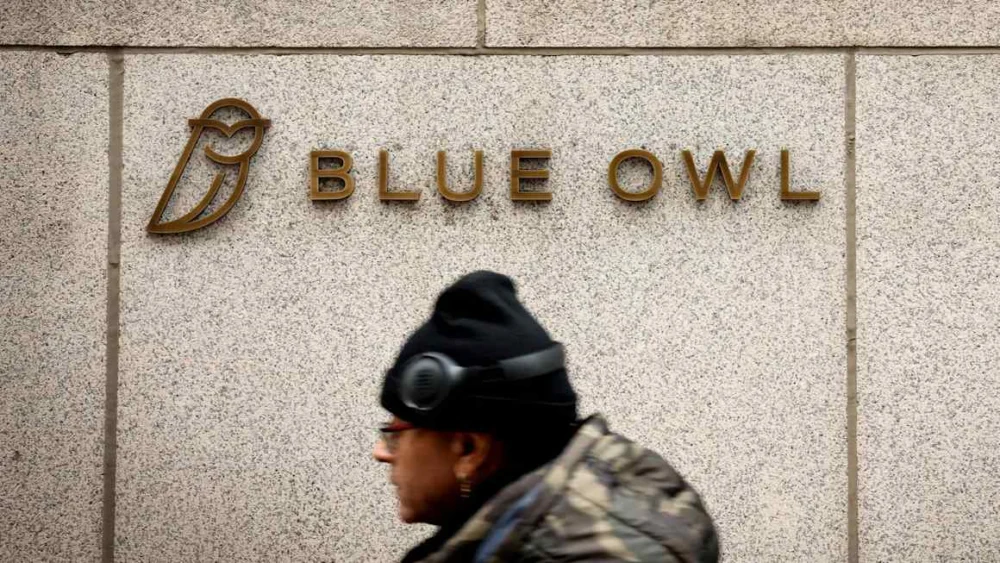
The once-booming private credit sector is signaling potential headwinds, with prominent player Blue Owl Capital reportedly seeing its shares trade below its initial public offering (IPO) price, raising concerns about broader market sentiment and the valuation expectations within this rapidly expanding asset class. This development casts a shadow over the significant inflows that private credit has attracted in recent years, prompting a closer examination of the underlying economic forces and investor psychology at play.
The private credit market, a burgeoning alternative investment sphere, has experienced an unprecedented surge in capital allocation over the past decade. Driven by a confluence of factors including low interest rates for an extended period, a more stringent regulatory environment for traditional banks, and a growing appetite among institutional investors for higher yields, private credit funds have emerged as a compelling alternative to public markets. These funds directly lend to companies, often those that are too small, too young, or too complex to access traditional bank financing or public debt markets. The appeal lies in the potential for attractive risk-adjusted returns, often enhanced by illiquidity premiums and a more bespoke approach to deal structuring.
Blue Owl Capital, a significant entity within this ecosystem, has built its reputation on providing flexible, bespoke financing solutions to a diverse range of businesses. Its business model, which encompasses direct lending, credit solutions, and GP strategic capital, has allowed it to tap into a wide spectrum of private market opportunities. The firm’s IPO in January 2021 was seen as a validation of the private credit model and a testament to its growth trajectory. However, the recent pressure on its stock price, which has reportedly fallen below its IPO valuation, signals a potential reassessment of this narrative by the public markets.
Several interconnected factors are likely contributing to the mounting concerns surrounding the private credit market, and by extension, to the valuation challenges faced by firms like Blue Owl.
Shifting Macroeconomic Landscape: The most significant external force impacting private credit is the dramatic shift in the global macroeconomic environment. The era of ultra-low interest rates has given way to a period of sustained monetary tightening by central banks worldwide. As benchmark interest rates climb, the cost of capital for borrowers increases, potentially straining their ability to service debt. For private credit funds, this translates into a higher risk of default among their portfolio companies, particularly those with substantial leverage. Furthermore, as safer, government-backed debt instruments now offer more competitive yields, the premium investors demand for taking on the illiquidity and higher risk associated with private credit may need to adjust.
Increased Competition and Maturation of the Market: The very success of private credit has led to a significant increase in the number of players and the amount of capital seeking deployment. This heightened competition can lead to a "lender-on-lender" scenario, where funds compete aggressively for deals, potentially driving down origination fees and loan covenants. As the market matures, the most attractive and less risky opportunities may become scarcer, forcing funds to consider riskier profiles or less seasoned borrowers to maintain deployment pace and yield targets. This increased competition can also put pressure on existing valuations as market participants seek to deploy capital efficiently.
Illiquidity Premium Re-evaluation: Private credit investments are inherently illiquid. Investors typically commit capital for extended periods, with limited ability to redeem their stakes. This illiquidity is compensated by a premium over liquid assets. However, in a rising interest rate environment, the cost of holding illiquid assets increases. Investors may re-evaluate the extent to which they are willing to sacrifice liquidity for yield, especially when more liquid alternatives offer attractive returns with greater flexibility. The perceived value of this illiquidity premium can fluctuate with market conditions, impacting the valuation of private credit managers.
Due Diligence and Transparency Challenges: While private credit offers bespoke solutions, it also presents challenges in terms of transparency and due diligence compared to publicly traded securities. The disclosure requirements for private companies and their lenders are typically less stringent. This can make it more difficult for investors to fully assess the underlying risks within a private credit portfolio. As economic conditions deteriorate, the opacity of some private credit investments can become a source of anxiety for investors, leading to a more cautious approach and potentially lower valuations for managers who are perceived to have less transparent operations.
Impact on Blue Owl and its Peers: For Blue Owl, the pressure on its stock price below the IPO level suggests that public market investors are pricing in these broader market risks. The market may be questioning the sustainability of the firm’s growth trajectory and its ability to navigate a more challenging economic environment. This can stem from concerns about:
- Portfolio Performance: Investors might be scrutinizing Blue Owl’s existing portfolio for signs of stress, such as rising default rates or an increase in non-performing loans.
- Fundraising Prospects: A lower stock valuation can impact a firm’s ability to raise new capital, as it may signal investor concerns to prospective limited partners (LPs).
- Valuation Multiples: The public market is applying a lower valuation multiple to Blue Owl’s earnings and assets under management (AUM) than it did at the time of its IPO, reflecting a more conservative outlook for the private credit sector.
The implications of this development extend beyond Blue Owl itself. It serves as a potential canary in the coal mine for the broader private credit industry. If a well-established and respected firm like Blue Owl faces such valuation pressure, it suggests that other private credit managers, particularly those with less established track records or more aggressive strategies, could be facing similar, or even greater, challenges.
Broader Market Implications:
- Investor Caution: The sentiment around private credit may shift from unbridled enthusiasm to a more cautious and discerning approach. Investors will likely place a greater emphasis on due diligence, manager selection, and the specific strategies employed by private credit funds.
- Deal Origination Slowdown: Higher borrowing costs and increased risk aversion could lead to a slowdown in new deal origination within the private credit market. Funds may become more selective, and the volume of new lending could decrease.
- Secondary Market Adjustments: The secondary market for private credit fund interests may experience price adjustments as investors seek to exit positions or rebalance their portfolios.
- Focus on Quality: There will likely be a greater focus on funds that demonstrate a robust track record of managing credit risk through economic cycles, strong operational capabilities, and transparent reporting.
Future Outlook:
The private credit market is unlikely to disappear. Its fundamental drivers – the financing gap left by traditional banks and the demand for yield by institutional investors – remain. However, the market is entering a new phase, characterized by greater selectivity and a more rigorous assessment of risk.
For firms like Blue Owl, navigating this period will require a strong emphasis on portfolio management, proactive risk mitigation, and transparent communication with investors. Strategies that focus on resilient businesses, senior secured debt, and robust covenants will likely be favored. Diversification across different credit strategies and geographies will also be crucial.
The public market’s re-evaluation of private credit valuations serves as a critical feedback mechanism. It compels market participants to acknowledge the inherent risks and cyclicality of credit investing, even within the less regulated private sphere. As the market matures and adapts to the new economic realities, the private credit sector will likely emerge more resilient, albeit with a more tempered growth trajectory and a greater emphasis on sustainable, risk-adjusted returns. The current pressures, while challenging for individual firms, may ultimately contribute to a healthier and more sustainable private credit ecosystem in the long run.




 Ayu Aulia
 Safa Marwah
 Aura Kasih
 Lisa Mariana