Safa Marwah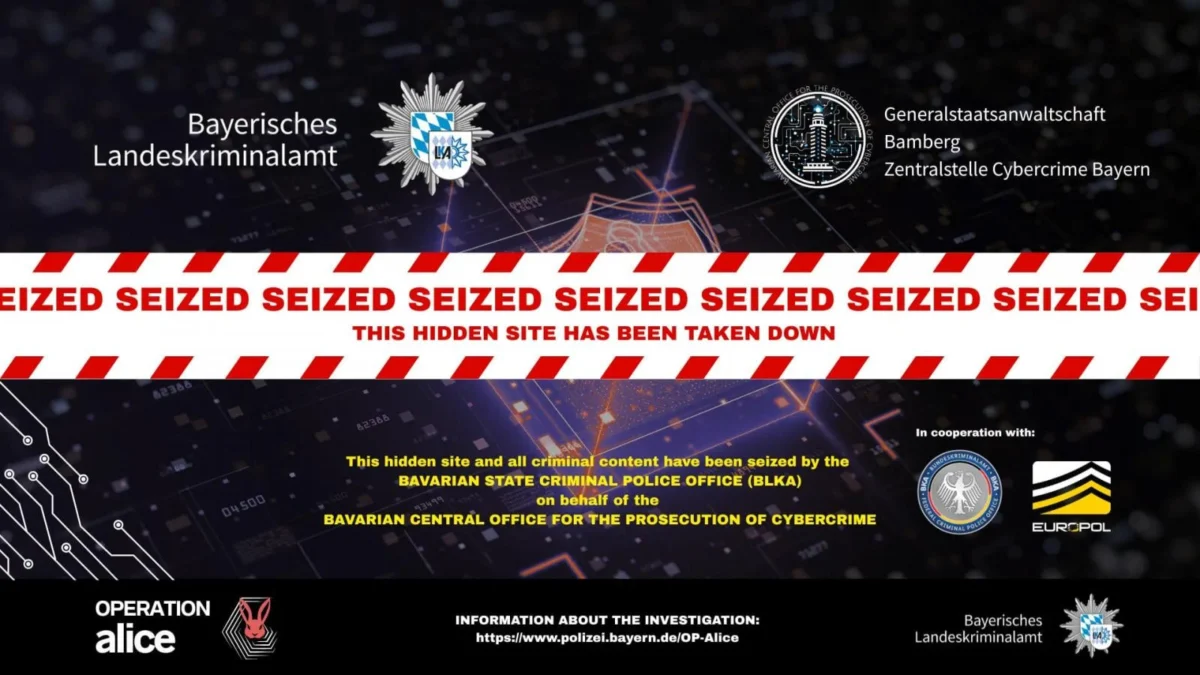
A comprehensive international law enforcement initiative, designated Operation Alice, has successfully disrupted an extensive dark web infrastructure responsible for hosting over 373,000 illicit websites that deceptively advertised child sexual abuse material (CSAM) and a range of cybercrime-as-a-service offerings. This significant intervention underscores the persistent global challenge posed by sophisticated online criminal enterprises and the imperative for cross-border collaboration in digital investigations.
The intricate investigation, spearheaded by German authorities with substantial operational and analytical backing from Europol, commenced in mid-2021. Its primary focus was a highly organized platform identified as "Alice with Violence CP," believed to be under the control of a 35-year-old individual operating from China. This platform served as the central hub for a vast network of fraudulent sites, which, despite their deceptive nature, posed a severe threat by attracting individuals seeking to engage in heinous criminal activities.
The sites within this network presented themselves as purveyors of child sexual abuse material, a claim designed to ensnare a specific demographic of offenders. Beyond this horrific facade, the same infrastructure also offered a diverse array of cybercrime services, including the sale of compromised credit card data and illicit access credentials to various compromised digital systems. This dual functionality highlights the opportunistic and multi-faceted nature of modern dark web criminality, where platforms often diversify their illicit offerings to maximize profit and reach.
A key element of the operation involved understanding the deceptive tactics employed by the network. The fraudulent sites displayed preview images of what were purported to be CSAM "packages," enticing visitors to provide their email addresses and remit payments ranging from EUR 17 to EUR 250, typically in Bitcoin. These transactions, however, yielded no illicit material for the purchasers. The network was a sophisticated scam: it advertised and previewed CSAM but never actually delivered any content, effectively defrauding its users while simultaneously identifying individuals with criminal intent.
Europol’s analysis detailed the financial mechanism of the scam, noting that each advertised package was priced between EUR 17 and EUR 215, promising data volumes spanning from a few gigabytes to several terabytes of what was falsely represented as CSAM. The fundamental deception lay in the fact that these were purely fraudulent sites where, despite the overt advertising and previewing of child sexual abuse material, no such content was ever actually transferred to the buyers. This fraudulent model generated significant illicit revenue for the operator.

The scale of the financial exploitation was considerable, with the deceptive CSAM platform successfully extracting approximately $400,000 from an estimated 10,000 users. A critical outcome of the operation has been the identification of 440 individuals across 23 countries who attempted to purchase these fake packages. Among these, law enforcement agencies are currently conducting active investigations into 100 individuals. This aspect of the operation is particularly significant, as it addresses not only the fraudulent network but also the individuals demonstrating a clear criminal intent to acquire illegal material.
From a legal standpoint, the actions of these individuals are highly prosecutable. While they ultimately did not receive the illegal content, their deliberate attempt to purchase child sexual abuse material constitutes a serious criminal offense in numerous jurisdictions worldwide. This intent, coupled with the financial support provided to what they believed was a source of CSAM, establishes their culpability and underscores the legal principle that the act of attempting to commit a crime, particularly one as severe as child abuse, carries significant consequences. Law enforcement agencies are therefore pursuing these identified individuals, demonstrating that the pursuit of such material, even if fraudulent, will not be tolerated.
The logistical backbone of this illicit network was substantial, comprising 287 servers at its operational peak. A significant proportion of this infrastructure, specifically 105 servers, was strategically located within Germany. Through the coordinated efforts of law enforcement, all these servers have now been successfully seized, effectively dismantling the technical foundation of the scam. In parallel with these seizures, German authorities have initiated the process of issuing an international arrest warrant for the Chinese national suspected of operating this vast network, signaling a relentless pursuit of the perpetrators regardless of geographical boundaries.
Operation Alice serves as a stark illustration of the evolving landscape of cybercrime, where perpetrators leverage the anonymity of the dark web to operate complex scams that exploit deeply disturbing human desires. The proliferation of "cybercrime-as-a-service" models, where tools and services for illicit activities are readily available for a fee, represents a growing challenge for global security agencies. This operation specifically targeted a nexus where the abhorrent trade in child sexual abuse material intersected with broader cybercriminal enterprises, underscoring the interconnectedness of various illicit markets on the dark web. The ability of law enforcement to penetrate, dismantle, and prosecute such operations is crucial in establishing deterrence and safeguarding vulnerable populations.
The success of Operation Alice also highlights the indispensable role of international collaboration in combating transnational cybercrime. The internet’s borderless nature means that criminal networks often span multiple countries, making unilateral law enforcement actions insufficient. Agencies like Europol are critical facilitators in these complex investigations, providing intelligence sharing, analytical support, and coordination across diverse legal frameworks and jurisdictions. The cooperation between German authorities and Europol in this instance exemplifies an effective model for addressing crimes that transcend national boundaries, ensuring that perpetrators cannot evade justice by exploiting jurisdictional complexities.
The implications of Operation Alice extend beyond the immediate takedown of a specific criminal network. For law enforcement, it represents a significant victory, demonstrating enhanced capabilities in tracking, infiltrating, and disrupting sophisticated dark web operations. It reinforces the message that the perceived anonymity of the dark web is not absolute and that dedicated investigative efforts can lead to successful outcomes, even against globally distributed threats. This operation can serve as a blueprint for future endeavors against similar illicit platforms.
.jpg)
For potential offenders, the operation sends a powerful deterrent message. The identification and investigation of individuals who merely attempted to purchase fake CSAM underscore that criminal intent alone can lead to severe legal repercussions. This proactive approach aims to reduce the demand for actual CSAM by increasing the perceived risk for those contemplating such illicit activities, thereby indirectly contributing to the protection of children. It clarifies that the legal system views the pursuit of such material with the utmost gravity, irrespective of whether the material itself is real or fraudulent.
Furthermore, while the primary material in this case was fake, Operation Alice inadvertently exposed a substantial population of individuals actively seeking CSAM. The data gathered from the seized servers and user identifications provide invaluable intelligence that can be leveraged in the broader fight against real child sexual abuse. By identifying these individuals, authorities gain opportunities to intervene, prevent future offenses, and potentially uncover connections to genuine CSAM networks, thereby contributing directly to child protection efforts.
Looking to the future, the fight against online child sexual abuse and sophisticated cybercrime remains an evolving challenge. The digital landscape continues to adapt, and criminal actors constantly devise new methods to evade detection. Therefore, ongoing investment in advanced investigative technologies, forensic capabilities, and the continuous training of specialized law enforcement personnel is paramount. The development of artificial intelligence and machine learning tools, for instance, could further enhance the ability to identify, track, and analyze illicit online activity at scale.
Europol, recognizing the multi-faceted nature of this challenge, continues to spearhead broader child protection initiatives. The "Help4U" support platform, launched in November 2025, represents a crucial resource designed to provide assistance and guidance to young people who have experienced online sexual abuse. This initiative underscores a commitment not only to prosecuting offenders but also to supporting survivors and fostering a safer online environment for children. Additionally, the "Stop Child Abuse – Trace an Object" initiative actively engages the public, inviting individuals to help identify the origin of specific objects or background details observed in genuine CSAM material. This public participation can provide critical leads that assist investigators in identifying perpetrators and, most importantly, in rescuing children from ongoing abuse situations. These complementary efforts highlight a comprehensive strategy that blends proactive law enforcement with victim support and public engagement.
In conclusion, Operation Alice represents a significant triumph in the ongoing global effort to dismantle dark web criminal enterprises. By successfully taking down hundreds of thousands of fraudulent sites, identifying a key operator, and bringing numerous individuals with criminal intent to justice, the operation has struck a considerable blow against a pernicious segment of online crime. Its success underscores the critical importance of international collaboration, technological prowess, and an unwavering commitment to protecting the most vulnerable members of society from exploitation in the digital realm. The battle against such illicit networks is continuous, demanding constant vigilance, innovation, and cross-border cooperation to ensure a safer online future.




 Ayu Aulia
 Aura Kasih