
 Aura Kasih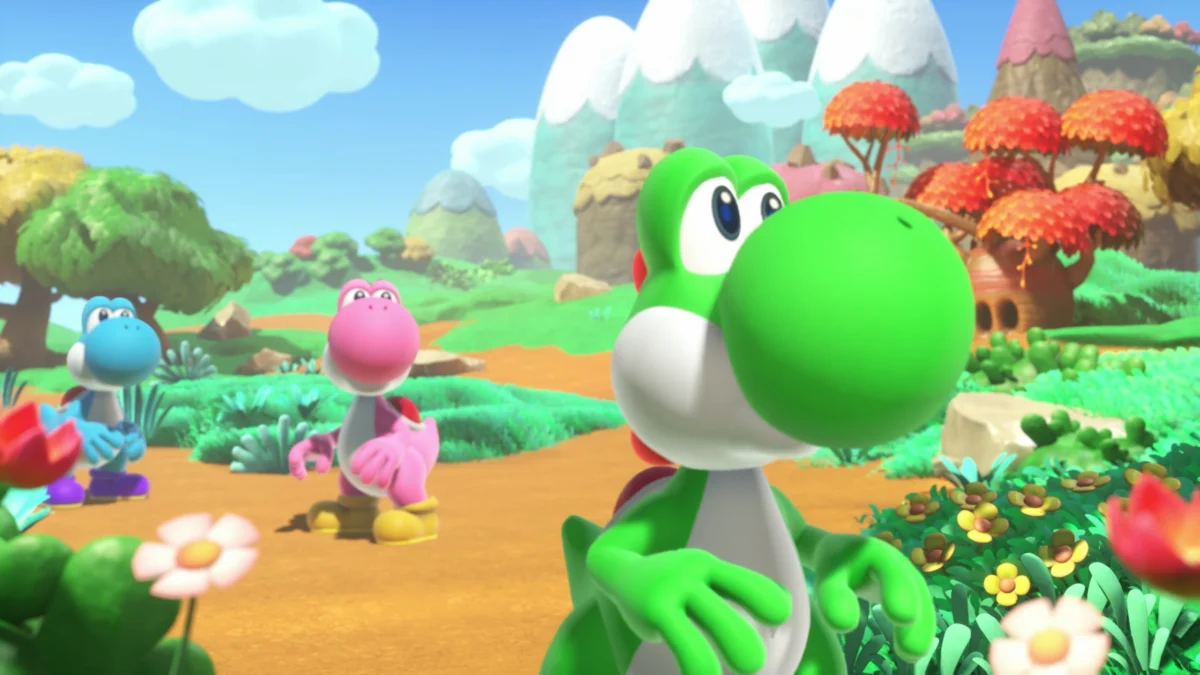
Nintendo is poised to implement a significant shift in its digital pricing strategy for the upcoming Switch 2 console, signaling a deliberate move to offer more competitive and consumer-friendly prices for downloadable content and games, a decision that could reshape the digital marketplace for Nintendo’s ecosystem.
In a surprising announcement that has sent ripples through the gaming industry, Nintendo has revealed its intention to reduce the cost of digital-only titles and downloadable content for its next-generation console, the Switch 2, beginning in May. This strategic repricing, as confirmed by the company, marks a departure from previous pricing models and aims to align digital offerings more closely with the perceived value and production costs of physical media. The initial impact of this new policy is already visible with the preorder pricing for "Yoshi and the Mysterious Book," which is now available digitally for $59.99, a notable decrease from the $69.99 physical edition price. This adjustment underscores Nintendo’s evolving approach to digital distribution, acknowledging the inherent differences in manufacturing and distribution expenses between physical cartridges and downloadable files.
The implications of this pricing adjustment extend beyond a simple reduction in cost for consumers. Nintendo’s explicit statement that "both physical and digital copies of its Switch 2 games will offer the same experiences" directly addresses long-standing consumer concerns about digital versions potentially being perceived as lesser in value. By framing the price difference as a reflection of "different costs associated with producing and distributing each format," Nintendo is attempting to legitimize the digital price point while simultaneously acknowledging the tangible costs associated with physical production, such as manufacturing, packaging, and logistics. This transparency, while appreciated, raises questions about regional price harmonization, as initial reports indicate that the UK pricing for "Yoshi and the Mysterious Book" remains at approximately $55.74, suggesting that global pricing strategies may still be in flux or subject to regional market dynamics and retailer agreements.
This move by Nintendo is not occurring in a vacuum. The company’s history with pricing digital games has been a subject of considerable discussion. While Nintendo has historically maintained a premium on its first-party titles, regardless of format, the digital landscape has evolved dramatically. Competitors have increasingly embraced more dynamic pricing strategies, including frequent sales, subscription services offering extensive libraries, and tiered pricing models. By proactively adjusting its digital pricing, Nintendo appears to be responding to these market trends and seeking to bolster the attractiveness of its digital storefront for the Switch 2 generation. This could be a crucial step in capturing a larger share of the digital game market, which has seen substantial growth in recent years, driven by convenience, accessibility, and the increasing prevalence of digital-native gamers.

Furthermore, Nintendo’s acknowledgment that "retail partners set their own prices for physical and digital games, and pricing for each title may vary" is a critical caveat. This decentralized pricing approach has historically led to a degree of inconsistency in the market, with physical game prices often fluctuating more readily due to retailer promotions and inventory management. The new digital pricing framework, while offering a baseline reduction, will still be subject to the influence of third-party retailers. However, by establishing a lower MSRP for digital editions, Nintendo provides a clear benchmark, potentially guiding retailers to offer more competitive digital prices as well. This could lead to a more predictable and favorable pricing environment for consumers seeking digital options.
The context of the Switch 2’s market performance also adds weight to this strategic shift. The console, which debuted to what were described as "record-breaking sales," has since experienced a reported slowdown in production, attributed by some analysts to weakening demand in specific markets, such as the United States. In such a scenario, implementing more attractive pricing for digital content could serve as a potent tool to re-energize sales and deepen consumer engagement. By making digital games more accessible, Nintendo might be aiming to increase attach rates for software and encourage more frequent purchases from its user base. This could be particularly important for the Switch 2, as it aims to build upon the legacy of its predecessor, which enjoyed immense popularity partly due to its diverse and engaging software library.
The long-term implications of Nintendo’s digital pricing recalibration are multifaceted. Firstly, it could set a new precedent for how first-party publishers approach digital game pricing, potentially encouraging other major players to re-evaluate their own strategies. If Nintendo’s initiative proves successful in driving digital sales and enhancing consumer satisfaction, it might inspire a broader industry trend towards more competitive digital pricing. Secondly, this move could significantly influence the perceived value proposition of Nintendo’s digital ecosystem. By offering a more compelling price point for digital games, Nintendo could attract a new segment of gamers who are accustomed to the cost efficiencies of digital purchases or who may have been hesitant to invest in digital titles at previous price points.
Moreover, this pricing adjustment could have a ripple effect on Nintendo’s broader digital strategy. It might pave the way for more aggressive digital-only releases, expanded sales events, or even a more robust subscription service that leverages these lower digital price points. As the industry continues to shift towards digital-first distribution models, Nintendo’s proactive stance on pricing suggests a commitment to adapting and thriving in this evolving landscape. The company’s historical success has often been built on unique hardware and compelling software; however, in the contemporary market, a competitive digital strategy is becoming increasingly vital for sustained growth and market share.
The success of this new pricing model will ultimately be determined by consumer reception and its impact on overall sales figures for the Switch 2. However, Nintendo’s decision to lower digital prices for its next-generation console is a clear indicator of its awareness of market dynamics and its willingness to adapt its business model to meet consumer expectations. As the gaming industry continues its digital transformation, Nintendo’s strategic pivot on pricing could prove to be a significant move in securing its position as a dominant force in the console market for years to come. The move also aligns with a broader industry trend where digital distribution, while offering cost savings in terms of manufacturing and logistics, has often been priced at parity with physical goods. Nintendo’s decision to break this parity, at least for its next-generation platform, signals a potential shift in how digital games are valued and marketed. This could lead to a more dynamic and consumer-centric digital marketplace, fostering greater accessibility and potentially expanding the overall gaming audience. The careful differentiation between the costs of physical and digital production, as articulated by Nintendo, suggests a more data-driven and strategic approach to pricing than has been historically evident in the digital realm. As the Switch 2 era dawns, this pricing adjustment will be a key metric to watch in assessing Nintendo’s strategic foresight and its commitment to long-term growth in an increasingly digital-first world.




 Safa Marwah
 Lisa Mariana
 Ayu Aulia