Aura Kasih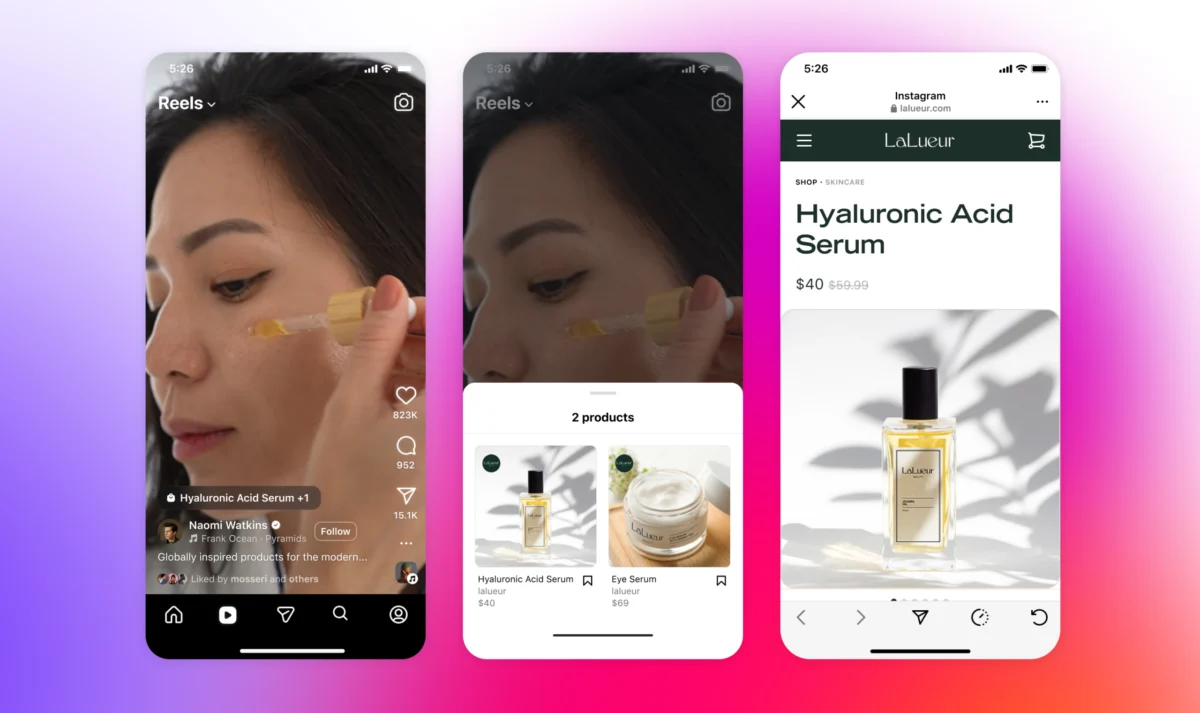
Meta Platforms is poised to dramatically reshape the user experience on its flagship social media applications, Instagram and Facebook, by seamlessly integrating direct affiliate marketing capabilities into content creation. This strategic move aims to streamline the purchasing journey for consumers and empower content creators by eliminating reliance on cumbersome third-party "link in bio" services, thereby ushering in a new era of social commerce.
The forthcoming changes signal a substantial pivot in how commerce is conducted within these digital ecosystems. Historically, influencers and content creators have relied on external platforms or manual methods to direct their audiences to products they endorse. This often involved directing users to a single link in their profile, which then served as a gateway to a curated list of affiliate links, or through less direct methods like sharing discount codes in comments. Meta’s new approach seeks to collapse this funnel, making product discovery and purchase a more immediate and integrated experience within the content itself.
On Facebook, the forthcoming update will enable creators to establish direct connections with brands through affiliate programs. This will allow them to tag specific products within their Reels and static image posts. The mechanism will manifest as an unobtrusive, clickable bubble overlaid on the content, offering viewers a direct pathway to purchase. This feature is being rolled out initially in the United States, with Amazon as the primary affiliate partner, and plans to incorporate Temu and eBay in the near future. This phased approach suggests a strategic rollout designed to refine the functionality and user experience before broader global implementation.
The implications of this integration are far-reaching for both creators and consumers. For creators, the direct linking capability represents a significant reduction in friction, potentially leading to higher conversion rates and a more streamlined monetization strategy. By removing the intermediary steps, the path from product discovery to purchase is significantly shortened, which is a critical factor in driving sales in the digital space. This could democratize affiliate marketing, making it more accessible to a wider range of creators who may not have had the resources or technical expertise to manage complex linking strategies.

For consumers, the immediate availability of shoppable links promises a more convenient and immersive shopping experience. Instead of navigating away from the platform to complete a purchase, users can now potentially buy products directly within the app, reducing the likelihood of cart abandonment and enhancing overall user satisfaction. This seamless integration aligns with broader trends in e-commerce, where a frictionless buyer journey is paramount to success.
Instagram’s implementation of this new commerce functionality will offer a more expansive approach to product integration within its popular Reels format. Creators will be able to embed up to 30 shoppable products within a single Reel. Crucially, Instagram’s system will permit creators to directly input their unique affiliate links for individual items, offering a greater degree of control and flexibility compared to Facebook’s initial rollout. The primary prerequisite for this functionality is that the linked products must be officially registered within the brands’ commerce catalogs managed by Meta. This requirement ensures a level of curation and quality control, preventing the proliferation of potentially misleading or unauthorized product links.
This move by Meta mirrors strategies already being employed by competing platforms. TikTok, for instance, has aggressively pursued its own social commerce initiatives with TikTok Shop, which features a similarly integrated shopping experience where products are directly discoverable and purchasable within the app. The success and user adoption of TikTok Shop likely served as a significant catalyst for Meta to accelerate its own e-commerce development, aiming to retain user engagement and advertising revenue within its ecosystem.
The timing of this announcement is particularly noteworthy, occurring just weeks after a period of controversy surrounding Instagram’s experimental "Shop the look" feature. Reports emerged of influencers discovering that the platform was automatically adding shopping links to their content without explicit consent. These automatically generated links, as reported, often directed users to cheaper, look-alike products rather than the specific items showcased by the creator. Meta at the time characterized these occurrences as part of a limited test and indicated that the company was "exploring various changes" to the feature. The current announcement of integrated affiliate linking can be seen as a more structured and transparent approach to social commerce, aiming to address the concerns raised during the previous experimental phase.
The evolution of social media platforms into robust e-commerce engines is a well-documented trend. What began as platforms for connection and content sharing have increasingly transformed into dynamic marketplaces where users can discover, engage with, and purchase products without ever leaving the app. This transition is driven by several factors, including the immense purchasing power of social media users, the desire for more immediate gratification in online shopping, and the lucrative revenue opportunities for both the platforms and their creators.

The potential impact on the affiliate marketing industry is substantial. Traditional affiliate networks and third-party link management services may need to adapt their models to remain relevant in a landscape where direct integration is becoming the norm. Creators who have built their businesses around these intermediary services will need to reassess their strategies and explore how to leverage Meta’s native tools to their advantage. This could lead to a more concentrated flow of affiliate revenue towards platforms that offer the most seamless integration.
Furthermore, the increased prevalence of shoppable content could fundamentally alter user consumption habits. What was once a passive browsing experience may become more transactional, with users actively seeking out products and making purchases as they scroll through their feeds. This shift could also place greater emphasis on the authenticity and transparency of product recommendations, as users become more discerning about the sponsored content they encounter. The success of these new features will likely depend on Meta’s ability to strike a delicate balance between facilitating commerce and maintaining the authentic community and content-sharing ethos that originally attracted users to its platforms.
Looking ahead, the integration of affiliate linking is likely just one step in Meta’s broader social commerce strategy. As virtual and augmented reality technologies mature, it is conceivable that these platforms could evolve to offer even more immersive and interactive shopping experiences, blurring the lines between the digital and physical worlds. The company’s investment in these areas suggests a long-term vision for social commerce that extends far beyond simple product tagging.
The move also raises questions about data privacy and user tracking. As Meta gathers more data on user purchasing behavior directly within its platforms, the company will have an even more comprehensive understanding of consumer preferences. This data can be leveraged for highly targeted advertising, further enhancing Meta’s already formidable advertising capabilities. Users will need to be aware of the data being collected and the ways in which it is being used.
In conclusion, Meta’s proactive integration of direct affiliate linking into Facebook and Instagram represents a significant advancement in social commerce. By simplifying the purchasing process for consumers and providing creators with more direct monetization channels, the company is positioning itself to capture a larger share of the rapidly growing e-commerce market. This strategic initiative is poised to transform the user experience on its platforms, making them even more integral to the daily shopping habits of millions worldwide, while also presenting new challenges and opportunities for the broader digital economy. The success of this endeavor will hinge on Meta’s ability to execute these changes smoothly, maintain user trust, and adapt to the ever-evolving landscape of online commerce.




 Lisa Mariana
 Safa Marwah