Lisa Mariana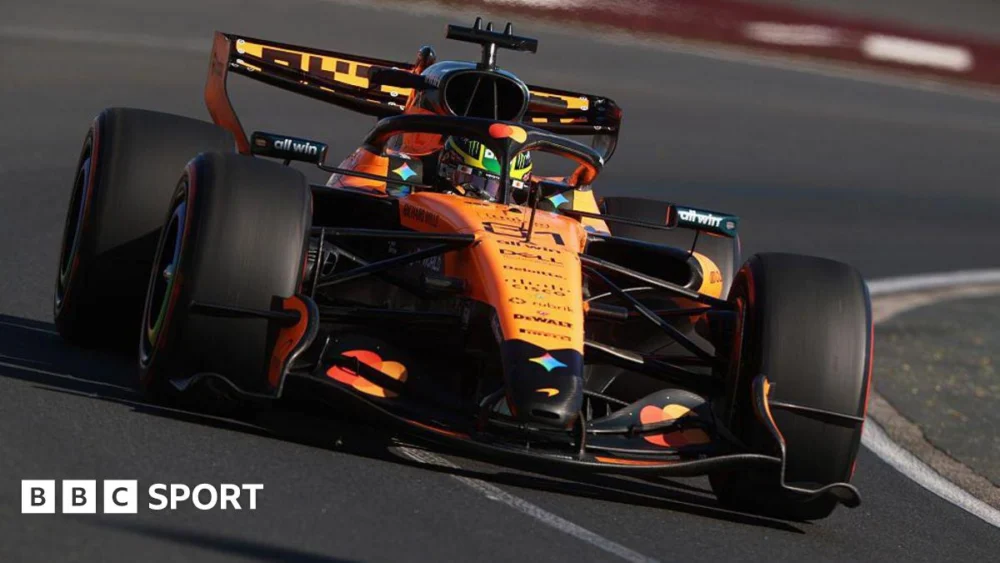
The initial sessions of the Australian Grand Prix at Albert Park have painted a complex, albeit preliminary, picture of the competitive hierarchy for the upcoming season, with local hero Oscar Piastri registering the fastest time, closely followed by Mercedes’ rising talent Kimi Antonelli and veteran George Russell, signaling a potentially tight contest at the forefront of the Formula 1 grid.
The intricate dance between raw power and sophisticated energy management has emerged as the defining characteristic of the current Formula 1 landscape. With the latest generation of hybrid power units mandating an approximate 50-50 split between internal combustion and electrical propulsion, teams and drivers alike are grappling with the nuanced optimization of these complex systems. The challenge lies not merely in maximizing outright power, but in strategically deploying and recovering energy throughout a lap and across a race distance, a task many competitors openly admitted was proving difficult to master in the early stages of the Melbourne event. This strategic energy deployment is paramount, influencing everything from tire degradation to overtakes and overall race pace, fundamentally altering the traditional parameters of circuit performance. The current regulatory framework for power units, introduced to foster technological relevance and efficiency, places an unprecedented emphasis on software algorithms and sophisticated control systems, transforming the driver’s role into that of a highly skilled system manager as much as a pure racer.
Amidst this technical complexity, Mercedes-AMG Petronas F1 Team, widely tipped as pre-season frontrunners, demonstrated their formidable potential. Their long-run pace, particularly evident in race-distance simulations conducted later in the sessions, showcased impressive consistency and speed. This strong showing on higher fuel loads and worn tires often provides a more accurate barometer of a car’s true performance capabilities over a Grand Prix distance than single-lap qualifying simulations. Their ability to maintain competitive lap times under these demanding conditions reinforces the belief among many paddock observers that Mercedes has effectively addressed some of the performance inconsistencies that plagued them in previous seasons, positioning them as a serious contender for both race victories and championship honors. The team’s engineers appear to have found a sweet spot in balancing engine performance with chassis dynamics, crucial for extracting consistent speed over extended stints.
Ferrari, another constructor frequently mentioned in discussions about potential championship challengers, also asserted their presence early in the day. The Scuderia’s machinery initially topped the time sheets, indicating strong outright pace and a promising start to their weekend. However, as the sessions progressed and track conditions evolved, their advantage eroded, eventually seeing them eclipsed by both McLaren and Mercedes. This fluctuation underscores the dynamic nature of practice sessions, where varying fuel loads, tire compounds, and testing programs can significantly skew apparent performance. Ferrari’s early pace suggests their aerodynamic package and power unit are competitive, but their subsequent dip might point to areas requiring further refinement, such as tire management over longer runs or adapting to changing track grip levels. The pursuit of optimal balance in setup will be crucial for the Maranello squad to convert their raw speed into sustained performance.
For Oscar Piastri, the strong showing on home soil was a significant statement. The Australian driver’s remarks provided insight into the driver’s perspective on extracting performance from modern F1 cars. He articulated that a substantial amount of lap time can be unlocked simply by operating the car in line with expectations, highlighting the gap between theoretical potential and practical execution. Piastri conveyed an optimistic outlook for McLaren, suggesting that while they might not possess the absolute peak performance if every competitor operates at 100% efficiency, their primary focus is on maximizing their own potential. This philosophy reflects the reality of contemporary Formula 1, where the ability to consistently achieve close to 100% of a car’s capability often proves more decisive than having a theoretically superior, yet inconsistent, package. McLaren’s recent trajectory suggests a team on an upward curve, steadily closing the gap to the established frontrunners through diligent development and strategic execution. Their performance in Melbourne offers a tangible indicator of their progress and aspirations for the season.
Kimi Antonelli, making his mark in a Mercedes, also offered his perspective on the competitive landscape, emphasizing the continuous learning process involved in adapting to new circuits and maximizing car performance. His assessment highlighted the intensity of the competition at the top, noting that "it is a close fight with the top teams" and specifically identifying Ferrari, McLaren, and Red Bull as formidable adversaries. Antonelli’s observations underscore the compressed nature of the leading pack, where marginal gains and execution precision will likely determine outcomes. His swift acclimatization to a demanding F1 environment, reflected in his strong showing, speaks volumes about his talent and potential as a future star. Mercedes’ decision to field him in such a prominent role further accentuates their confidence in his abilities and their long-term vision for driver development.
The reigning champions, Red Bull Racing, presented a more subdued profile in these initial sessions, primarily due to various disruptions. Max Verstappen’s true pace remained obscured by issues encountered during his soft tire runs and an off-track excursion at the demanding, high-speed Turn 10 during a long run simulation. Such incidents in practice can mask a team’s genuine performance, as valuable data collection is compromised, and optimal lap times are not achieved. Given Red Bull’s dominant form in recent seasons and Verstappen’s unparalleled talent, it is widely anticipated that their underlying performance will be considerably stronger once these early glitches are resolved. The team’s capacity to bounce back from minor setbacks and unleash their full potential during qualifying and the race remains a hallmark of their operation.
A significant narrative thread emerging from the sessions revolved around the profound difficulties encountered by Aston Martin, particularly concerning their Honda power unit. Fernando Alonso, the team’s veteran driver, endured a severely truncated day, missing the entirety of the first practice session due to persistent vibration issues emanating from his engine. Although he managed to complete 17 laps in the subsequent session, his ultimate pace was significantly off the leading times, placing him 20th and 4.933 seconds adrift.
The core of Aston Martin’s problem lies in the damaging effect of these vibrations on the car’s sensitive battery units, a critical component of the hybrid power system. The team’s technical director, Adrian Newey, expressed grave concern over the dwindling stock of spare batteries, revealing that they were down to their last two. This situation is particularly alarming given the strict allocation limits on power unit components under current Formula 1 regulations. Exceeding these limits typically incurs grid penalties, which can severely compromise a team’s race weekend. The rate of battery damage experienced by Aston Martin therefore places them in a precarious position, threatening not only immediate performance but also the strategic integrity of their entire season.
Alonso articulated his frustration, lamenting the lost track time and its implications for understanding both the car and a new aerodynamic package introduced for this race. Bringing a "completely new aerodynamic package" to a Grand Prix weekend is a high-stakes endeavor. While it offers the potential for significant performance gains, it necessitates extensive track testing to validate its effectiveness and optimize its setup. The lack of running time directly impedes this crucial learning process, leaving the team with insufficient data to exploit the new components fully. Alonso’s pointed remark about the scarcity of batteries, stating it was "more a question for them" (presumably Honda, as the engine supplier), highlighted the potential strain on the supplier-customer relationship when such critical components become a limiting factor. This situation underscores the intricate web of interdependencies within Formula 1, where a single component issue can cascade into widespread performance and strategic dilemmas for an entire team.
Beyond the immediate frontrunners and the Aston Martin predicament, other notable performances provided glimpses into the broader competitive spectrum. Isack Hadjar, piloting the second Red Bull, secured a position within the top 10, underscoring the depth of talent within the Red Bull junior program and the team’s continued investment in fostering future stars. Haas F1 Team also showcased promising form, with Esteban Ocon registering a top-10 time and his British teammate, Oliver Bearman, closely behind in 11th. These results, if indicative of genuine pace, suggest a potentially more competitive season for the American outfit, which has often found itself at the rear of the grid in previous campaigns.
It is imperative to contextualize these initial session results with a critical analytical lens. The headline lap times from practice sessions are notoriously unreliable indicators of definitive outright pace. Numerous variables can influence these figures, including differing fuel loads, varying tire compounds, the specific testing programs each team is undertaking, and crucially, track evolution. The Albert Park circuit, like many street circuits, typically "rubbers in" and gains grip throughout the weekend as more cars run on it, leading to faster lap times later in the sessions. Mercedes’ relatively early runs and Piastri’s later hot lap could therefore be partially attributed to these evolving track conditions, rather than a pure reflection of raw car speed. A comprehensive understanding of the competitive hierarchy will only emerge after qualifying and, more definitively, after the Grand Prix itself, where sustained performance over race distance truly counts.
The initial day in Melbourne has thus offered a tantalizing, if incomplete, preview of the season’s competitive dynamics. The intricate demands of hybrid power unit management, the fierce competition among the top echelons, and the significant technical challenges faced by teams like Aston Martin underscore the relentless technological arms race inherent in Formula 1. As the weekend progresses, the fog of early practice will gradually dissipate, revealing a clearer picture of which teams and drivers have truly mastered the art of speed and endurance in this highly demanding era of motorsport. The implications for the drivers’ championship, the constructors’ battle, and the future trajectory of team development will hinge on how effectively these initial insights are translated into actionable strategies and optimized performance.



 Ridwan Kamil
 Aura Kasih

 Safa Marwah