
 Aura Kasih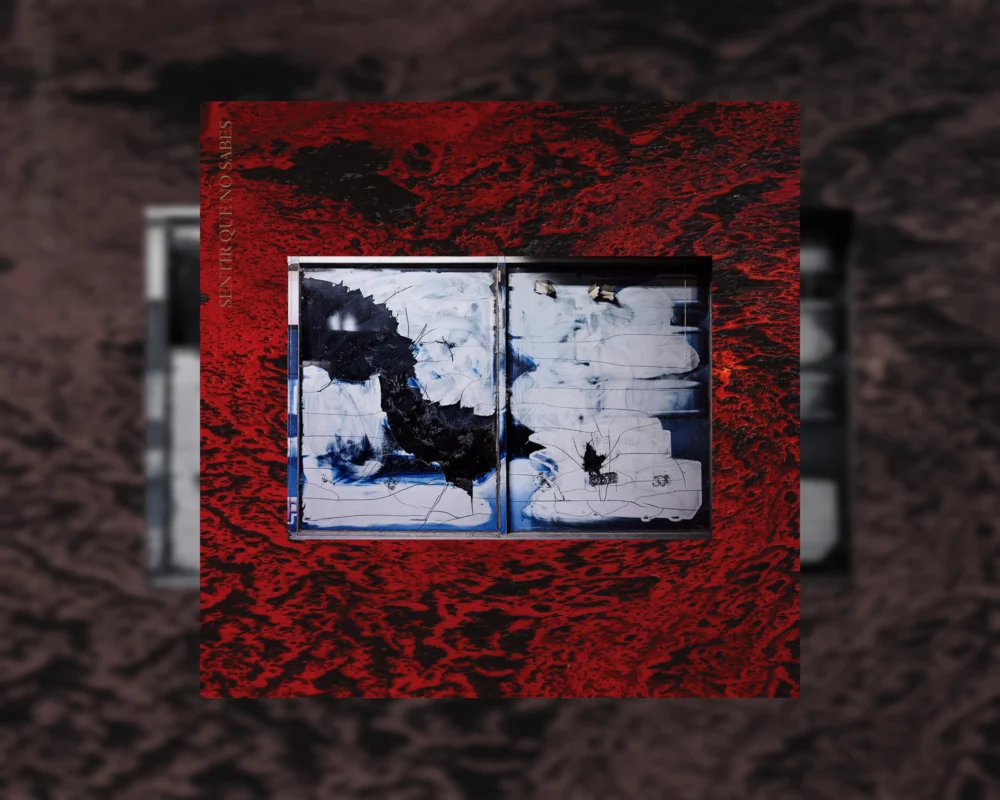
Mabe Fratti’s latest offering, "Sentir Que No Sabes," marks a significant juncture in her artistic trajectory, showcasing a masterful synthesis of avant-garde sensibilities with an increasingly accessible pop framework. The album opens with "Kravitz," a track that immediately immerses the listener in Fratti’s distinctive sonic universe, characterized by a compelling interplay of raw cello textures, propulsive rhythmic foundations, and disquieting lyrical themes. This initial engagement sets the stage for a record that, while eschewing overt ostentation, possesses a profound internal logic and an undeniable gravitational pull, drawing listeners into its intricately woven sonic tapestry.
The sonic architecture of "Kravitz" is particularly arresting. The initial moments are defined by the percussive, almost bass-like plucking of Fratti’s cello, creating a resonant, resonant hum that lingers before a decisive cessation. This is juxtaposed with a deceptively simple yet immovably anchored kick and snare pattern, a rhythmic core that anchors the more experimental elements. The resulting effect carries an industrial gravitas, a peculiar fusion that evokes comparisons to the brooding, atmospheric qualities of Joy Division’s "Closer," albeit filtered through a distinctly jazzy lens. This deliberate juxtaposition of raw sonic textures with a grounding rhythmic pulse is a hallmark of Fratti’s approach on this record, signaling a deliberate effort to expand her sonic palette while retaining her core identity.
This instrumental foundation serves as a potent backdrop for Fratti’s lyrical narratives, which delve into themes of surveillance and paranoia, articulated in Spanish. The imagery of "ears in the ceiling" and "someone listening through the walls" imbues the music with a palpable sense of unease, further amplified by the introduction of slightly dissonant horn stabs. As the track progresses into its latter half, the arrangement undergoes a sophisticated blossoming. Grand piano chords swell, and the drums gain momentum, propelling the music forward with a newfound urgency. This dynamic arc within the opening track perfectly encapsulates the album’s overarching thesis: Fratti is skillfully channeling her inherent experimental inclinations into structures that resonate with the immediacy and catchiness of pop music, a departure from her more purely avant-garde explorations of earlier works.
Fratti’s formative years, though rooted in the structured disciplines of Christian and classical music, provided a fertile ground for later sonic exploration. Born in Guatemala and now based in Mexico City, her musical awakening was significantly shaped by the advent of internet-based music discovery platforms like Limewire, which opened her world to a vast and diverse sonic landscape. This exposure was instrumental in her encountering the works of pioneering experimental composers such as György Ligeti. This broadened musical intake is demonstrably evident throughout "Sentir Que No Sabes." Tracks like "Pantalla Azul" exemplify this eclecticism, seamlessly navigating stylistic shifts that touch upon goth rock and new-age ambient, yet consistently returning to the inherent melodic strength that underpins Fratti’s compositions. Similarly, "Oidos" leans more decisively into the realm of chamber pop, featuring the delicate interplay of echoed cello pizzicatos, mournful trumpet passages, and the ethereal resonance of what sounds like an autoharp. This deliberate weaving of disparate stylistic threads into a cohesive whole underscores Fratti’s maturation as a composer.
The production on "Sentir Que No Sabes," helmed by I. La Católica (Héctor Tosta), plays a crucial role in unifying Fratti’s often frenetic stylistic juxtapositions and her angular cello manipulations. The album achieves a remarkable sense of lushness and immersion, regardless of the perceived stripped-down nature of certain arrangements. This sonic richness allows the music to feel equally at home in intimate, contemplative settings such as a coffee shop or, conversely, within the expansive acoustics of an arena stage. The production expertly bridges the potential chasm between delicate horn arrangements, atonal string plucks, and the crispness of icy digital synthesizers. Without Tosta’s discerning touch, these disparate elements might have coalesced into a disjointed collection of sonic fragments. Instead, a consistent undercurrent of subtle unease, coupled with the understated propulsion of lightly compressed drums, acts as a unifying thread, binding together the album’s diverse sonic components into a compelling and coherent auditory experience.
While the album largely succeeds in its mission of accessibility, Fratti judiciously reserves moments for unbridled sonic exploration. Interludes such as "Elástica I" and "Elástica II" serve as deliberate diversions, allowing Fratti to fully indulge her more abstract musical predilections. However, the album’s overarching brilliance lies in its capacity to repackage these experimental impulses into forms that are not only more approachable but, at times, remarkably catchy. This nuanced approach to balancing the experimental with the accessible is a testament to Fratti’s evolving artistic vision.
The frequent comparison of Mabe Fratti’s work to that of Arthur Russell is not without merit, offering a valuable point of reference for understanding her unique position in contemporary music. Russell, also an avant-garde cellist with a discernible penchant for pop sensibilities, provides a historical precedent for such a synthesis. However, Fratti’s approach on "Sentir Que No Sabes" represents a more direct and integrated fusion of these seemingly disparate musical facets than Russell typically achieved. While Russell often presented distinct pop songs alongside his more experimental compositions, Fratti’s recent output, both as a solo artist and as a collaborator in the duo Titanic, demonstrates a concerted effort to dismantle the perceived boundaries between these artistic domains. This deliberate blurring of lines is a defining characteristic of her evolving sound, positioning her as a vital voice in the contemporary experimental music landscape.
The impact of this stylistic integration extends beyond mere sonic experimentation. It reflects a broader trend in contemporary music where artists are increasingly challenging genre conventions and exploring hybrid forms. Fratti’s success in creating an album that is both intellectually stimulating and emotionally resonant speaks to a growing audience appetite for music that defies easy categorization. The lyrical themes of "Sentir Que No Sabes," which touch upon themes of surveillance and a pervasive sense of being observed, also resonate with contemporary anxieties, adding another layer of depth and relevance to the album’s artistic statement. This thematic resonance, coupled with the album’s innovative sonic palette, positions Fratti as an artist capable of capturing the zeitgeist through her distinctive musical language.
The meticulous production of "Sentir Que No Sabes" is a critical element in its success. The interplay between organic instrumentation and subtle electronic textures creates a soundscape that is both intimate and expansive. This attention to sonic detail allows for a nuanced listening experience, where subtle shifts in timbre and texture reveal themselves over repeated listens. The use of reverb and delay, for instance, is not merely decorative but serves to enhance the emotional weight of the cello and horn passages, creating a sense of space and atmosphere that is integral to the album’s overall mood. This deliberate sonic sculpting demonstrates a sophisticated understanding of how production techniques can be employed to amplify artistic intent.
Furthermore, Fratti’s lyrical dexterity in Spanish contributes significantly to the album’s impact. The evocative and often unsettling imagery she employs creates a powerful narrative thread that complements the music’s more abstract qualities. Her use of metaphor and symbolism invites listeners to engage with the songs on a deeper, more interpretive level, fostering a sense of personal connection with the album’s themes. This ability to weave compelling lyrical narratives within an experimental musical framework is a rare and valuable skill, further cementing Fratti’s position as a significant contemporary artist.
Looking ahead, "Sentir Que No Sabes" suggests a promising trajectory for Mabe Fratti. The album demonstrates a confident stride towards a more widely accessible sound without compromising the experimental integrity that has defined her work. This balance is crucial for artists seeking to expand their reach while remaining true to their artistic vision. Her ability to consistently innovate and evolve, as evidenced by this latest release, positions her as a compelling figure to watch in the evolving landscape of experimental and pop music. The success of this album may well inspire other artists to explore similar fusions, further broadening the possibilities within contemporary musical expression. The implications of this artistic evolution are far-reaching, potentially influencing how experimental music is perceived and appreciated by a wider audience. Fratti’s work serves as a compelling argument for the enduring power of artistic curiosity and the potential for groundbreaking creativity to emerge from the most unexpected sonic intersections. Her journey on "Sentir Que No Sabes" is not just an album release; it is a testament to the ongoing evolution of sonic artistry.




 Ayu Aulia
 Ridwan Kamil
 Safa Marwah
 Lisa Mariana