
 Ridwan Kamil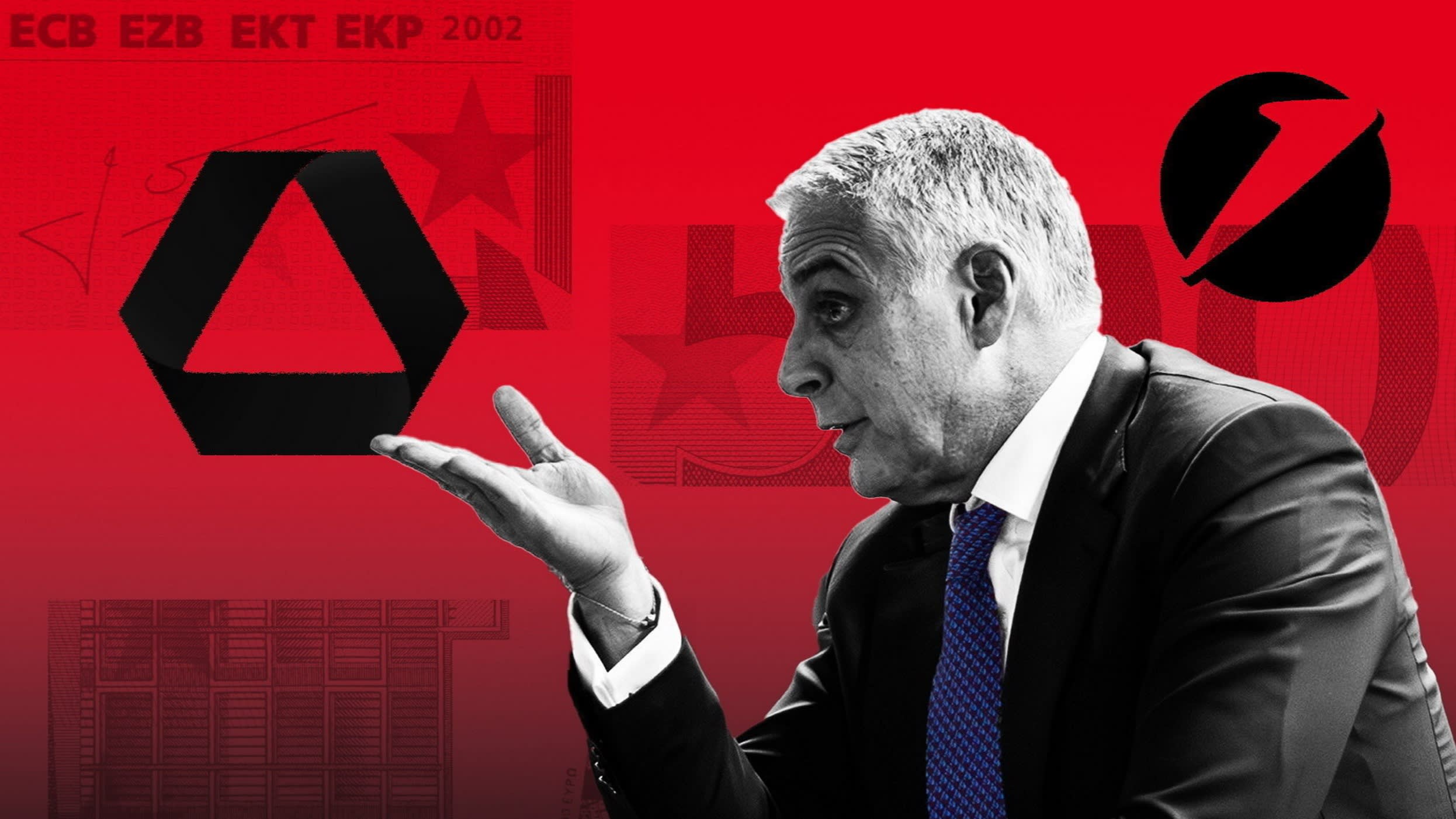
A seismic shift is potentially underway in the European banking landscape as UniCredit, Italy’s largest banking group by assets, has officially launched a takeover offer for Commerzbank, a leading German financial institution. This audacious move signals UniCredit’s ambition to significantly expand its footprint across the continent and consolidate its position as a dominant player in the eurozone’s financial sector. The unsolicited bid, detailed in a formal announcement, represents a strategic maneuver that could reshape cross-border banking operations and competitive dynamics within Europe.
The proposed acquisition is not merely a transaction of balance sheets and market shares; it is a bold strategic play driven by a confluence of factors including a desire for scale, enhanced market access, and diversification of revenue streams. For UniCredit, a successful integration of Commerzbank would unlock significant synergies, enabling cost efficiencies through the rationalization of overlapping operations and technological infrastructure. Furthermore, it would grant UniCredit immediate and substantial access to the German market, Europe’s largest economy, thereby reducing its reliance on its home market and strengthening its presence in key continental financial centers. Commerzbank, with its established retail and corporate banking network in Germany, represents a valuable strategic asset that aligns with UniCredit’s long-term growth objectives.
The impetus behind such a substantial cross-border merger cannot be overstated. The European banking sector has been undergoing a prolonged period of consolidation, driven by the need to achieve greater scale in an increasingly competitive and regulated environment. Low interest rates, coupled with the ongoing digital transformation of financial services, have put pressure on profitability for many institutions. Larger, more diversified banks are generally better positioned to absorb these challenges, invest in new technologies, and compete effectively against both traditional rivals and emerging fintech players. UniCredit’s bid for Commerzbank is a clear indication that the bank is proactively seeking to secure its future by pursuing a strategy of aggressive expansion and integration.
Commerzbank, while a significant player in its own right, has faced its share of challenges in recent years. The bank has been undergoing a restructuring process aimed at improving profitability and streamlining its operations. A takeover by UniCredit could provide Commerzbank with the capital and strategic direction necessary to accelerate its transformation and capitalize on future growth opportunities. However, such a move would undoubtedly face intense scrutiny from regulatory bodies in both Italy and Germany, as well as from Commerzbank’s shareholders and employees. The potential impact on employment, branch networks, and the overall competitive landscape in Germany would be a critical consideration for authorities.
The strategic rationale for UniCredit is multi-faceted. Firstly, the acquisition would significantly enhance UniCredit’s European market reach. Germany represents a core market for any pan-European banking strategy, offering substantial opportunities in both corporate and retail banking. Commerzbank’s extensive branch network and deep relationships with German businesses would provide UniCredit with an immediate and robust platform for growth. This would allow UniCredit to diversify its revenue base away from its traditional strongholds and reduce its exposure to country-specific economic downturns.
Secondly, the potential for cost synergies is a major driver. Merging two large banking operations inevitably presents opportunities to eliminate redundancies in areas such as IT systems, back-office functions, and administrative overhead. UniCredit would likely aim to integrate Commerzbank’s technology infrastructure with its own, leading to more efficient operations and reduced operating costs. This, in turn, could boost profitability and enhance shareholder value.
Thirdly, the deal could position UniCredit more favorably in the context of ongoing European banking union initiatives. A larger, more integrated entity with a strong presence in key European economies would be better equipped to navigate the evolving regulatory landscape and contribute to the stability and resilience of the European financial system. It could also pave the way for further consolidation within the broader European banking sector.
However, the path to a successful acquisition is fraught with complexities. Commerzbank’s management and supervisory board will need to carefully evaluate UniCredit’s offer, considering not only the financial terms but also the strategic fit and the potential implications for the bank’s future. Shareholder approval will be a critical hurdle, and it is likely that UniCredit will need to present a compelling case to convince Commerzbank’s investors of the merits of the proposed transaction. The German government, which holds a significant stake in Commerzbank, will also play a crucial role in the decision-making process. Any potential government objections or conditions could significantly impact the feasibility of the deal.
Furthermore, cultural integration between two large financial institutions, particularly those from different national backgrounds, is notoriously challenging. UniCredit and Commerzbank have distinct corporate cultures, and a successful merger would require careful management of this aspect to avoid operational disruptions and retain key talent. The complexities of harmonizing IT systems, operational processes, and customer service standards across different jurisdictions are also significant undertaking.
The potential impact on the wider European banking sector is also a subject of considerable interest. A successful UniCredit-Commerzbank merger would create a formidable new entity, potentially forcing other European banks to re-evaluate their own strategies for growth and consolidation. It could accelerate the ongoing trend of mergers and acquisitions within the sector, leading to a more concentrated banking market in key European countries.
From an analytical perspective, this move by UniCredit can be seen as a strategic response to the persistent challenges of low profitability and the imperative for scale in the modern banking industry. The bank is clearly seeking to engineer a step-change in its competitive positioning by acquiring a substantial asset in a key European market. The success of this endeavor will depend on a myriad of factors, including the valuation of Commerzbank, the regulatory approvals obtained, the ability to realize significant synergies, and the effective integration of the two organizations.
The coming months will be crucial as UniCredit navigates the complex process of engaging with Commerzbank, its shareholders, and the relevant regulatory authorities. The outcome of this bid will not only shape the future of UniCredit and Commerzbank but will also have broader implications for the future structure and competitiveness of the European financial services industry. It represents a bold assertion of UniCredit’s ambitions in a dynamic and evolving global financial landscape. The sheer scale of the potential transaction underscores the ongoing transformation of European banking, as institutions seek to adapt to new economic realities and secure their long-term viability through strategic consolidation and expansion. The ramifications of this proposed merger are likely to be felt across the continent for years to come, influencing market dynamics, competitive strategies, and the overall architecture of European finance.




 Safa Marwah
 Aura Kasih
 Lisa Mariana
 Ayu Aulia