Lisa Mariana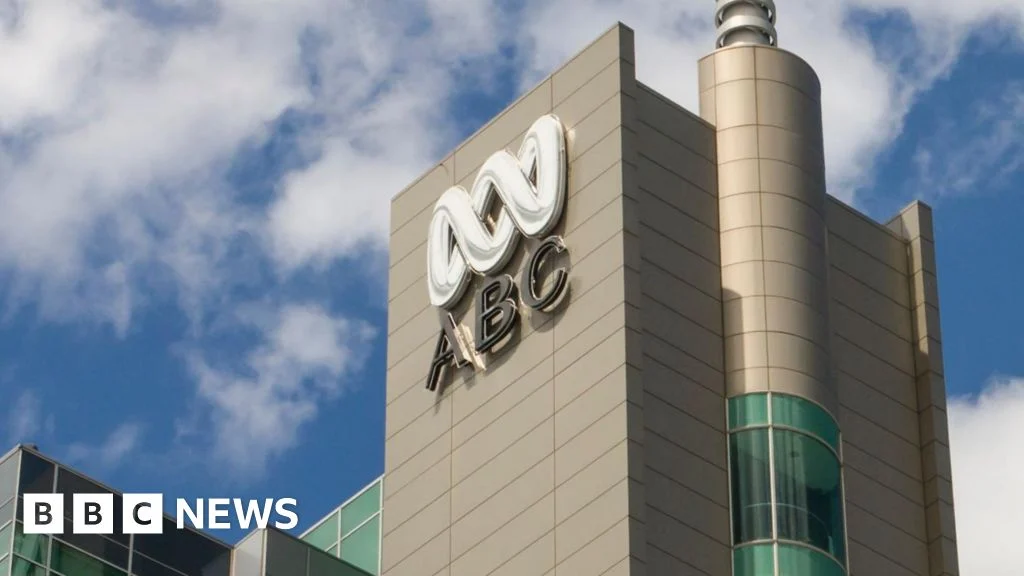
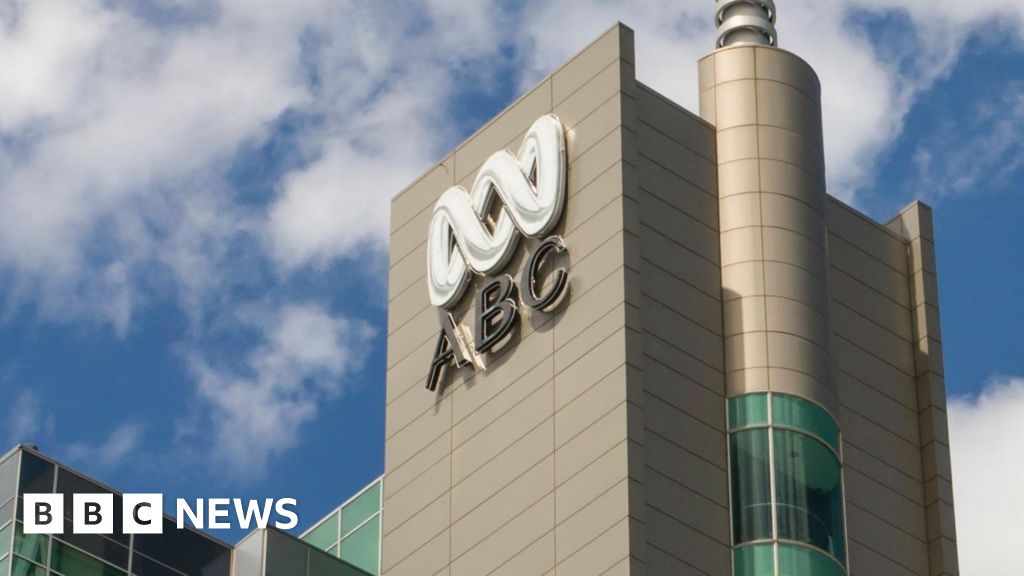
Australia’s national public broadcaster, the Australian Broadcasting Corporation (ABC), is on the precipice of its most significant industrial action in two decades, as a substantial cohort of its journalistic and production staff prepare to initiate a 24-hour work stoppage. This unprecedented move stems from deeply entrenched disagreements with management over compensation packages, employment conditions, and, critically, the potential integration of artificial intelligence into content creation without sufficient safeguards for job security and editorial integrity. The impending strike highlights broader industry challenges confronting public service media globally, grappling with financial pressures, technological disruption, and evolving workforce expectations.
The planned industrial action, scheduled to commence at 11:00 local time on Wednesday, marks a historic moment for the ABC, which last experienced such a widespread staff walkout two decades prior. The decision follows the overwhelming rejection by a majority of unionised employees of management’s proposed enterprise agreement, which included a three-year pay increase package deemed inadequate in the face of persistent inflationary pressures. This discontent is further exacerbated by anxieties regarding the future of human-led journalism in an era increasingly influenced by advanced algorithmic technologies.
The immediate operational impact of the strike is anticipated to be substantial, with flagship programming facing severe disruption. Esteemed current affairs broadcasts, such as the evening program ‘7.30’, and key morning news and talk shows scheduled for Thursday, are expected to be cancelled. To mitigate the disruption to its audience, the ABC plans to air reruns, pre-recorded content, and material acquired from international partners, including the British Broadcasting Corporation (BBC). Specialist radio channels, such as Triple J and ABC Classic, are also projected to operate with limited live segments, primarily broadcasting pre-selected music playlists. This reliance on alternative programming underscores the critical role the striking workforce plays in the broadcaster’s daily operations and content delivery.
At the core of the dispute is a management offer that comprises a cumulative 10% pay rise spread over three years: 3.5% in the first year, followed by 3.25% in each of the subsequent two years. This proposal also included a one-off payment of A$1,000, explicitly excluding casual staff. However, the offer has been widely criticised by employee representatives for failing to keep pace with Australia’s current annual inflation rate, which stood at 3.8% in January. Union analyses contend that such an offer effectively translates into a real-wage decrease for staff, eroding their purchasing power and failing to acknowledge the rising cost of living across the nation. Approximately 60% of union members who participated in the ballot decisively rejected this offer, subsequently authorising industrial action.
Beyond the immediate financial remuneration, staff demands extend to fundamental improvements in working conditions and career stability. Concerns have been vociferously raised regarding the prevalent reliance on short-term contracts within the organisation, which many employees argue fosters job insecurity and hinders career progression within the public broadcaster. Furthermore, calls for enhanced compensation for night work and clearer pathways for professional development reflect a broader desire for more equitable and secure employment practices.
However, perhaps the most salient and forward-looking dimension of this industrial dispute centres on the potential deployment of artificial intelligence within the ABC’s operational framework. Employee unions have expressed profound apprehension regarding management’s perceived reluctance to definitively rule out the use of AI to replace human staff. This concern is not merely speculative; it taps into a burgeoning global debate within the media industry about the ethical, economic, and existential implications of generative AI technologies. Journalists and content creators worldwide are grappling with the rapid advancements in AI’s capacity to produce text, audio, and visual content, raising legitimate questions about job displacement, the safeguarding of editorial standards, and the potential for algorithmic bias to compromise public trust in news and information.
Erin Madeley, the Chief Executive of the Media, Entertainment & Arts Alliance (MEAA), one of the principal unions representing ABC staff, articulated the core motivation behind the strike. "ABC staff don’t want to strike – they want to do their jobs," Madeley stated, emphasising that the workforce’s primary objectives are "fair pay, secure work, and guardrails around the use of technologies like AI to protect editorial integrity and public trust." This statement encapsulates the multifaceted nature of the dispute, linking economic justice with a proactive stance on technological governance. Melissa Donnelly from the Community and Public Sector Union (CPSU) further underscored the importance of salaries that accurately reflect contemporary cost-of-living pressures and acknowledge the unique societal value of public broadcasting. Donnelly stressed the vital role the ABC plays in Australian society and in national storytelling, urging management to engage constructively to resolve the impasse.
Conversely, ABC managing director Hugh Marks has defended the proposed agreement, characterising it as both financially responsible and competitive within the broader media landscape. Marks asserted that the pay offer represents the "maximum level the ABC can sustainably provide," suggesting that further concessions would jeopardise the broadcaster’s long-term financial viability. This position highlights the perennial tension faced by public broadcasters, which must balance their public service mandate with budgetary constraints, often dictated by government funding cycles and public expectations of fiscal prudence.
The ABC employs a significant workforce of over 4,400 individuals, with its news division alone accounting for approximately 2,000 staff members, making it the largest component of the organisation. This substantial workforce underscores the potential for wide-ranging disruption should the industrial action escalate or become protracted. Large gatherings of striking staff, adorned in black in a symbolic gesture of solidarity, are anticipated at the ABC’s primary offices in Sydney and Melbourne, serving as a visible manifestation of the collective resolve to press their demands.
In an effort to mediate the escalating dispute, the ABC has announced its intention to refer the matter to Australia’s Fair Work Commission. The Fair Work Commission is an independent national workplace relations tribunal with powers to conciliate, mediate, and, in certain circumstances, arbitrate industrial disputes. Its involvement signifies a formal escalation of the negotiation process, moving beyond direct discussions between management and unions. While the Commission’s intervention can often provide a pathway to resolution, it does not guarantee an immediate cessation of industrial action, particularly if both parties remain entrenched in their positions. The outcome of these proceedings will be closely watched, not only by ABC staff and management but also by other media organisations and public sector entities grappling with similar industrial relations challenges.
The ABC strike resonates within a broader global context where media organisations are navigating a complex landscape defined by technological disruption, evolving audience habits, and intense economic pressures. The debate surrounding AI integration is particularly pertinent. While AI offers potential efficiencies in content creation, data analysis, and audience engagement, its deployment in newsrooms raises critical questions about journalistic ethics, the preservation of human oversight in editorial processes, and the potential for job displacement. Media unions worldwide are increasingly advocating for robust ethical frameworks, clear guidelines on AI use, and collective bargaining agreements that protect human jobs and ensure fair compensation for work assisted or generated by AI. The ABC dispute could, therefore, set a precedent for how these challenges are addressed within Australian public service media and potentially influence broader industry standards.
Furthermore, the issue of real wage stagnation amidst rising inflation is a common thread in industrial disputes across various sectors globally. Employees are increasingly demanding pay increases that not only match but exceed inflation to ensure their living standards are maintained or improved. For public broadcasters like the ABC, which operate with government funding and a public service remit, the ability to meet these demands is often constrained by political and economic factors beyond their immediate control. This creates a delicate balancing act for management, who must satisfy both their workforce and their funding bodies.
The implications of this industrial action extend beyond the immediate financial and operational concerns of the ABC. For the Australian public, it raises questions about the continuity of independent, high-quality news and current affairs content, a cornerstone of democratic discourse. A prolonged dispute could impact audience trust and engagement, particularly if programming quality or availability suffers. For the ABC as an institution, the strike tests its resilience, its internal culture, and its ability to adapt to a rapidly changing media environment while upholding its public service values. The outcome will undoubtedly influence its future trajectory, shaping its employment practices, its approach to technological innovation, and its ongoing relationship with its dedicated workforce. As the Fair Work Commission prepares to intervene, all eyes will be on the ABC, as it navigates a pivotal moment in its history, striving to reconcile the demands of its employees with the imperatives of financial sustainability and technological advancement.




 Aura Kasih

 Safa Marwah