Lisa Mariana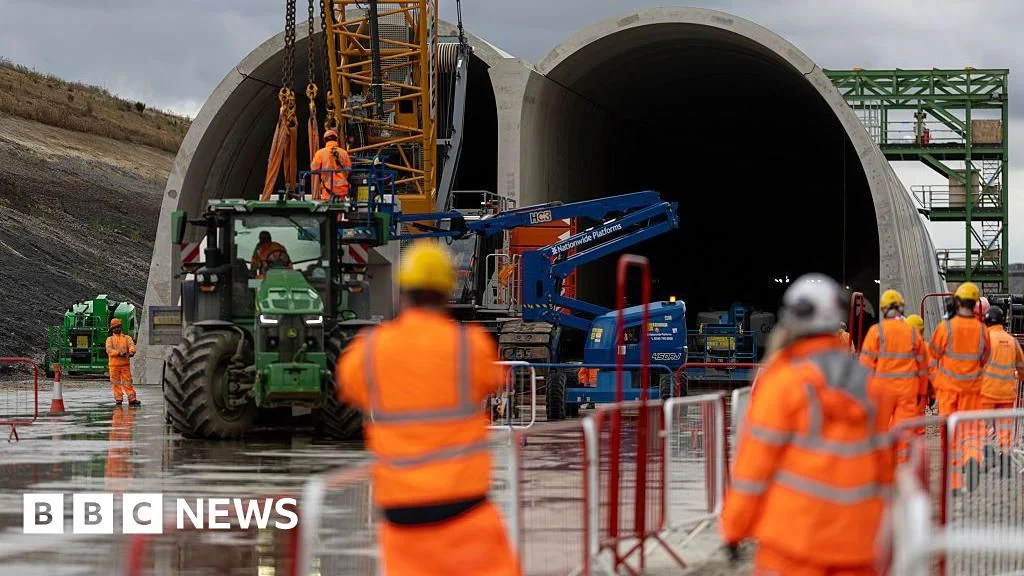
The ambitious High-Speed 2 (HS2) railway project, a cornerstone of the United Kingdom’s infrastructure modernization, is facing a significant re-evaluation of its core operational specifications, with proposals emerging to reduce train speeds below initial design parameters as a measure to mitigate persistent financial pressures and construction timeline overruns. This potential pivot marks a critical juncture for the scheme, prompting intense scrutiny over its long-term value proposition and the government’s commitment to its original vision of ultra-fast rail connectivity.
Conceived as a transformative venture to enhance connectivity, capacity, and foster economic rebalancing across the UK, HS2 has been plagued by escalating expenditure and revised completion schedules since its inception. The current administration is reportedly directing the company responsible for the project’s delivery to explore a range of cost-saving strategies, among which a deliberate reduction in the operational velocity of trains on the London-to-Birmingham segment is now a prominent consideration. This development underscores the profound fiscal challenges confronting one of Europe’s largest infrastructure undertakings.
Sources close to the Department for Transport indicate that an anticipated update from HS2’s chief executive, Mark Wild, regarding the project’s revised budget and timeline has been postponed until after upcoming local elections. This announcement was widely expected to confirm that the initial target completion date of 2033 for Phase One is no longer viable and that the project’s overall cost would significantly exceed £100 billion in contemporary pricing. The delay suggests a heightened political sensitivity surrounding the project’s financial trajectory and the broader implications for public funds.
The Secretary of State for Transport is understood to be meticulously assessing all available avenues to recover financial outlays and compress the project’s protracted timeline for the benefit of taxpayers. Among these critical considerations, the introduction of a lower initial operating speed on the high-speed line represents a notable shift from the project’s foundational design principles. HS2 was engineered to facilitate train travel at speeds reaching up to 360 kilometers per hour (approximately 224 miles per hour), a specification that would position it as one of the fastest conventional railways globally.
To contextualize, the majority of high-speed rail services currently operating within the UK typically achieve speeds of up to 200 km/h (125 mph). In contrast, trains utilizing the Channel Tunnel Rail Link, known as High-Speed 1 (HS1), can reach speeds of up to 300 km/h. The aspiration for HS2 to surpass these benchmarks was a central pillar of its original justification, promising significant reductions in journey times and a substantial increase in rail network capacity. The proposed reduction in operational speed, therefore, represents a compromise on a key performance indicator that has long defined the project’s ambition.
A significant practical challenge cited by Department for Transport officials in achieving the originally intended top speeds pertains to the rigorous testing protocols required. Operating trains at 360 km/h necessitates either a purpose-built test track or the full completion of the railway itself to conduct safety and performance validations. Such a requirement, according to these sources, could introduce multi-year delays to the project’s delivery and incur additional costs running into billions of pounds. The alternative, a logistically complex and potentially costly proposition, would involve transporting HS2 trains to international testing facilities, specifically mentioning existing high-speed rail tracks in China, to undergo the necessary high-speed trials. This logistical hurdle highlights the intricate technical and financial interdependencies inherent in delivering a project of this scale and ambition.
The government has openly expressed dissatisfaction with decisions made by previous administrations concerning the HS2 project. Last year, the Transport Secretary characterized the scheme’s management as "an appalling mess," reflecting a deep-seated frustration with its progress and fiscal discipline. This critical stance provides a backdrop against which the current considerations for speed reduction are being weighed, signaling a potential shift towards greater pragmatism in project delivery, even if it means adjusting initial grand designs.
Mark Wild, who previously oversaw the successful delivery of Crossrail, now London’s Elizabeth Line, was appointed to lead HS2 with a clear mandate to instigate a comprehensive overhaul of the scheme. His tenure has been dedicated to a "reset" initiative, aimed at establishing a more realistic and financially sustainable schedule and budget for the railway’s completion. This ongoing review process is instrumental in shaping the future trajectory of HS2, moving it from aspirational targets to achievable milestones.
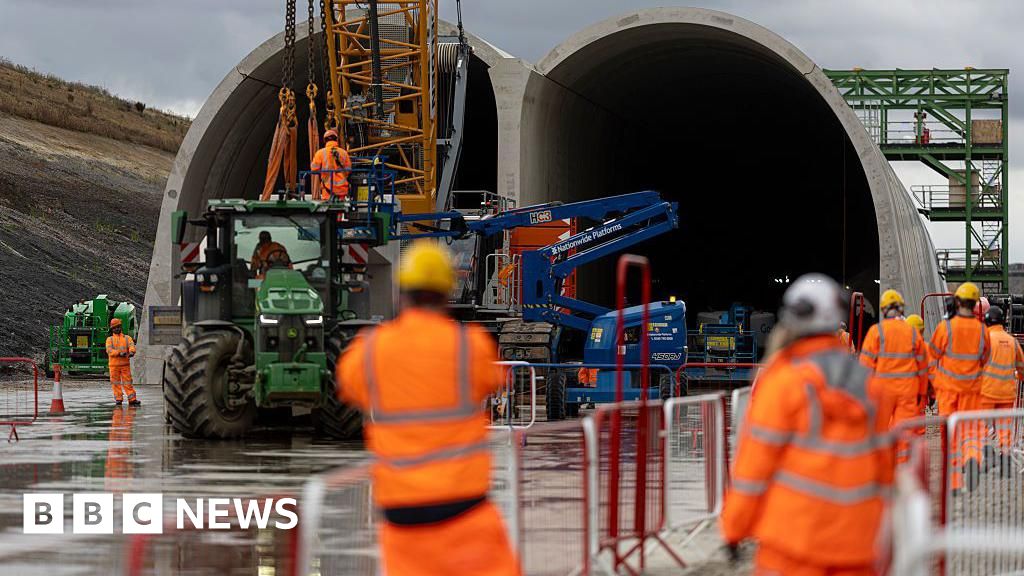
Despite the controversies and setbacks, substantial progress has been made on various segments of the line, including the construction of major tunnels and bridges. These engineering feats underscore the sheer scale of the undertaking and the significant investment already committed. However, the operational readiness of the line remains years away, underscoring the formidable challenges that lie ahead in transitioning from construction to a fully functional railway.
HS2’s original conception envisioned a comprehensive high-speed network connecting London with major Northern cities such as Leeds and Manchester. However, due to spiraling costs and political shifts, the proposed extensions north of Birmingham were subsequently curtailed or re-scoped. The current plan dictates that while HS2 trains will eventually extend services to Manchester, they will do so by integrating onto the existing West Coast Main Line, operating at reduced speeds. This revised strategy represents a significant departure from the initial vision of a dedicated high-speed artery extending deep into the North, raising questions about the extent to which the project will fulfill its original mandate of regional regeneration and capacity enhancement.
The strategic imperative to control the escalating costs of HS2 comes at a time of significant fiscal constraints for the UK government. The economic rationale for high-speed rail typically rests on arguments of increased capacity on overcrowded lines, reduced journey times, enhanced productivity through better business connectivity, and the stimulation of economic growth in recipient regions. A reduction in operational speed, while potentially yielding immediate cost savings by simplifying engineering requirements or delaying the need for ultra-high-speed testing infrastructure, could dilute some of these core benefits. Longer journey times, even if marginal, could diminish the competitive advantage of rail over air or road for certain routes, and impact the perceived value of the substantial investment.
Furthermore, the decision to potentially reduce speeds carries implications for the project’s public perception and political legacy. The initial promise of a world-leading high-speed network was a powerful narrative. Any compromise on this front risks fueling criticism that the project is failing to deliver on its foundational pledges, potentially eroding public trust in large-scale infrastructure initiatives. This delicate balance between fiscal prudence and delivering on an ambitious vision forms the crux of the government’s current dilemma.
Comparative analysis with other international high-speed rail projects reveals that cost overruns and technical challenges are not unique to HS2. Projects in France, Germany, Japan, and China have all navigated complex engineering feats and budgetary pressures. However, the scale of HS2’s cost escalation and the subsequent re-evaluation of its fundamental operational parameters place it in a particularly challenging category. This situation highlights the complexities inherent in long-term infrastructure planning, where initial projections often clash with the realities of construction, material costs, and evolving political priorities over decades.
Looking ahead, the "reset" process under Mark Wild is expected to provide a definitive blueprint for HS2’s future. This will likely involve a revised schedule, a consolidated budget, and potentially a formal endorsement of altered operational parameters. The outcome will not only dictate the final form of HS2 but also set a precedent for future large-scale infrastructure developments in the UK. The decisions made in the coming months will reflect the government’s strategic priorities: whether to prioritize the original vision of unparalleled speed and connectivity, or to recalibrate expectations in favor of fiscal rectitude and a more achievable, albeit less ambitious, outcome. The ongoing scrutiny and the delayed announcements underscore the profound political and economic stakes involved in shaping the future of this monumental national project. The narrative of HS2 continues to evolve, from a symbol of national ambition to a test case for prudent public investment in complex engineering.



 Ayu Aulia
 Safa Marwah
 Aura Kasih