Ridwan Kamil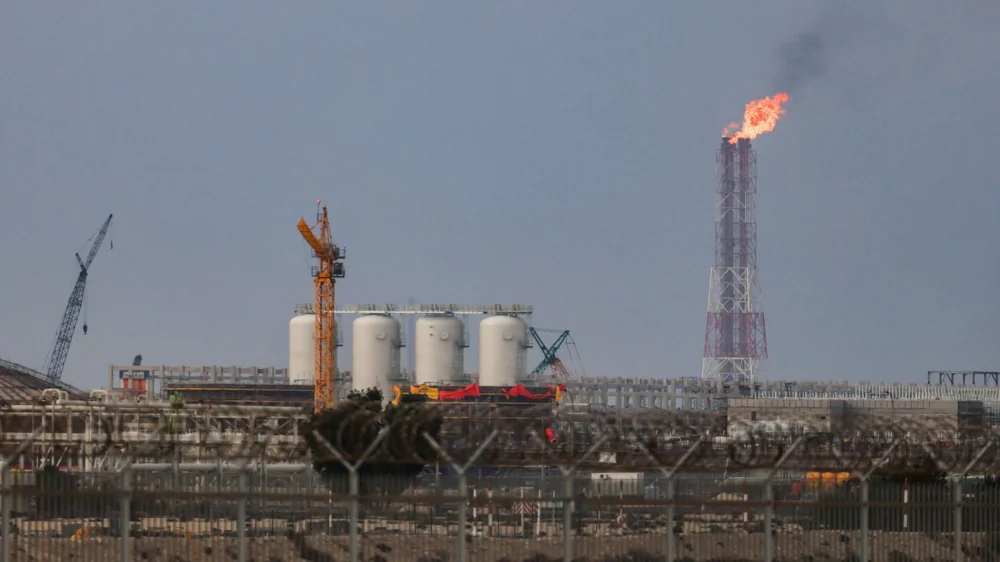
A volatile geopolitical climate in the Persian Gulf has brought the region’s critical energy exports to a precipice, with Qatar issuing a stark warning that sustained conflict could lead to an immediate halt of vital hydrocarbon flows within weeks. This alarming declaration underscores the profound fragility of global energy markets, which remain heavily reliant on the stable output from this strategically vital region, and highlights the potential for a ripple effect of economic instability should such a drastic measure be enacted.
The implications of Qatar’s warning resonate far beyond the immediate confines of the Gulf Cooperation Council (GCC) states. The Gulf, and Qatar in particular, stands as a linchpin in the global supply of liquefied natural gas (LNG) and crude oil. Any interruption to these exports would trigger immediate and severe price shocks across international markets, impacting everything from industrial production and transportation to household energy bills worldwide. The delicate balance of global energy security, already strained by existing supply chain challenges and the ongoing war in Ukraine, would be further jeopardized, potentially ushering in a period of significant economic uncertainty and inflationary pressures.
Escalating Rhetoric Signals Deepening Crisis
The pronouncement from Doha is not an isolated statement but rather a culmination of rising tensions and increasingly bellicose rhetoric that has characterized inter-state relations within the Gulf for an extended period. While the specific catalysts for this heightened friction remain complex and multi-faceted, they appear to be rooted in a confluence of geopolitical rivalries, ideological divergences, and competition for regional influence. The involvement of external powers, each with their own strategic interests in the Middle East, further complicates the diplomatic landscape and exacerbates the potential for miscalculation and escalation.
This deterioration of diplomatic relations has, in turn, cast a long shadow over the operational stability of the region’s energy infrastructure. The physical proximity of critical oil and gas facilities to areas of potential conflict, coupled with the intricate web of maritime trade routes that crisscross the Gulf, makes these energy flows exceptionally vulnerable to disruption. Qatar’s statement serves as a potent reminder of the inherent risks associated with concentrating such a significant portion of the world’s energy supply in a geographically sensitive and politically charged environment.
The Strategic Importance of Gulf Energy
The Persian Gulf, often referred to as the "energy heartland" of the world, accounts for a substantial percentage of global oil and gas reserves. Nations such as Saudi Arabia, the UAE, Kuwait, and Qatar collectively represent a colossal force in the international energy market. Qatar, in particular, has emerged as a dominant player in the global LNG market, its vast reserves and sophisticated liquefaction terminals making it a crucial supplier to energy-importing nations across Asia and Europe. The economic power and geopolitical leverage derived from these energy exports are central to the prosperity and stability of the Gulf monarchies.
However, this very dependence on energy exports also renders these nations susceptible to external pressures and internal instability. The intricate logistics of transporting vast quantities of hydrocarbons, primarily via maritime routes through the Strait of Hormuz and other chokepoints, makes them prime targets for any actors seeking to exert political or economic leverage. The potential for blockades, sabotage, or even direct military action poses a constant threat to the uninterrupted flow of these vital commodities.
Analyzing the Potential Impact of Export Halts
Should Qatar’s warning materialize and Gulf energy exports be significantly curtailed or halted, the ramifications would be immediate and far-reaching. The global price of crude oil and natural gas would likely surge to unprecedented levels. This would translate into substantially higher costs for consumers and businesses worldwide, exacerbating inflationary pressures that are already a significant concern for many economies.
Industries heavily reliant on petrochemicals and energy, such as manufacturing, transportation, and agriculture, would face severe operational challenges and increased production costs. The ripple effect could destabilize global supply chains further, leading to shortages of goods and services and potentially triggering a broader economic downturn. For countries that are net energy importers, particularly in Asia and Europe, the impact would be particularly acute, necessitating emergency measures to secure alternative energy sources and mitigate the economic fallout.
Furthermore, a disruption to Gulf energy exports would have significant geopolitical consequences. It would intensify competition for dwindling energy supplies, potentially leading to heightened diplomatic tensions and even renewed conflicts in other regions. The strategic calculus of energy-dependent nations would be profoundly altered, forcing them to re-evaluate their alliances and energy security strategies.
The Broader Geopolitical Context
The current state of affairs in the Gulf cannot be viewed in isolation. It is intrinsically linked to a complex tapestry of regional and global power dynamics. Rivalries between major regional players, often playing out through proxy conflicts and diplomatic maneuvering, have created a climate of instability. The ongoing competition for influence between established powers and emerging actors, coupled with the lingering impact of historical grievances, contributes to the volatile environment.
The role of external powers, with their own strategic interests in the region’s energy resources and geopolitical positioning, further complicates the situation. Arms sales, diplomatic interventions, and the formation of shifting alliances all contribute to the intricate and often precarious balance of power. Any escalation in the Gulf could draw in these external actors, transforming a regional dispute into a broader international crisis.
Mitigation Strategies and Future Outlook
In the face of such a stark warning, international stakeholders and regional actors alike are compelled to consider potential mitigation strategies. Diversification of energy sources and supply routes is a long-term imperative for nations heavily reliant on Gulf exports. Investment in renewable energy technologies, exploration of alternative fossil fuel reserves, and the development of more resilient energy infrastructure are crucial steps in reducing vulnerability.
Diplomatic channels must be actively pursued to de-escalate tensions and foster dialogue among the Gulf states. International bodies and influential global powers have a critical role to play in mediating disputes, encouraging de-escalation, and promoting regional stability. The economic interdependence of the region, particularly through energy markets, provides a powerful incentive for cooperation and conflict resolution.
However, the immediate future remains uncertain. The pronouncements from Qatar signal a critical juncture, where the potential for severe disruption looms large. The coming weeks will likely be a test of diplomatic resolve, strategic foresight, and the capacity of the international community to navigate the complex currents of a region that holds immense sway over the global economy and energy security. The world is watching closely, acutely aware that the stability of the global energy landscape, and by extension, global economic well-being, is precariously balanced on the geopolitical currents of the Persian Gulf. The warning issued by Qatar is not merely a statement of potential consequence; it is a stark reminder of the fragility of our interconnected world and the profound impact that regional instability can have on a global scale. The onus is now on all parties involved to demonstrate restraint, engage in constructive dialogue, and prioritize the collective interest in a stable and secure global energy market.


 Aura Kasih
 Lisa Mariana
 Ayu Aulia
 Safa Marwah