Ridwan Kamil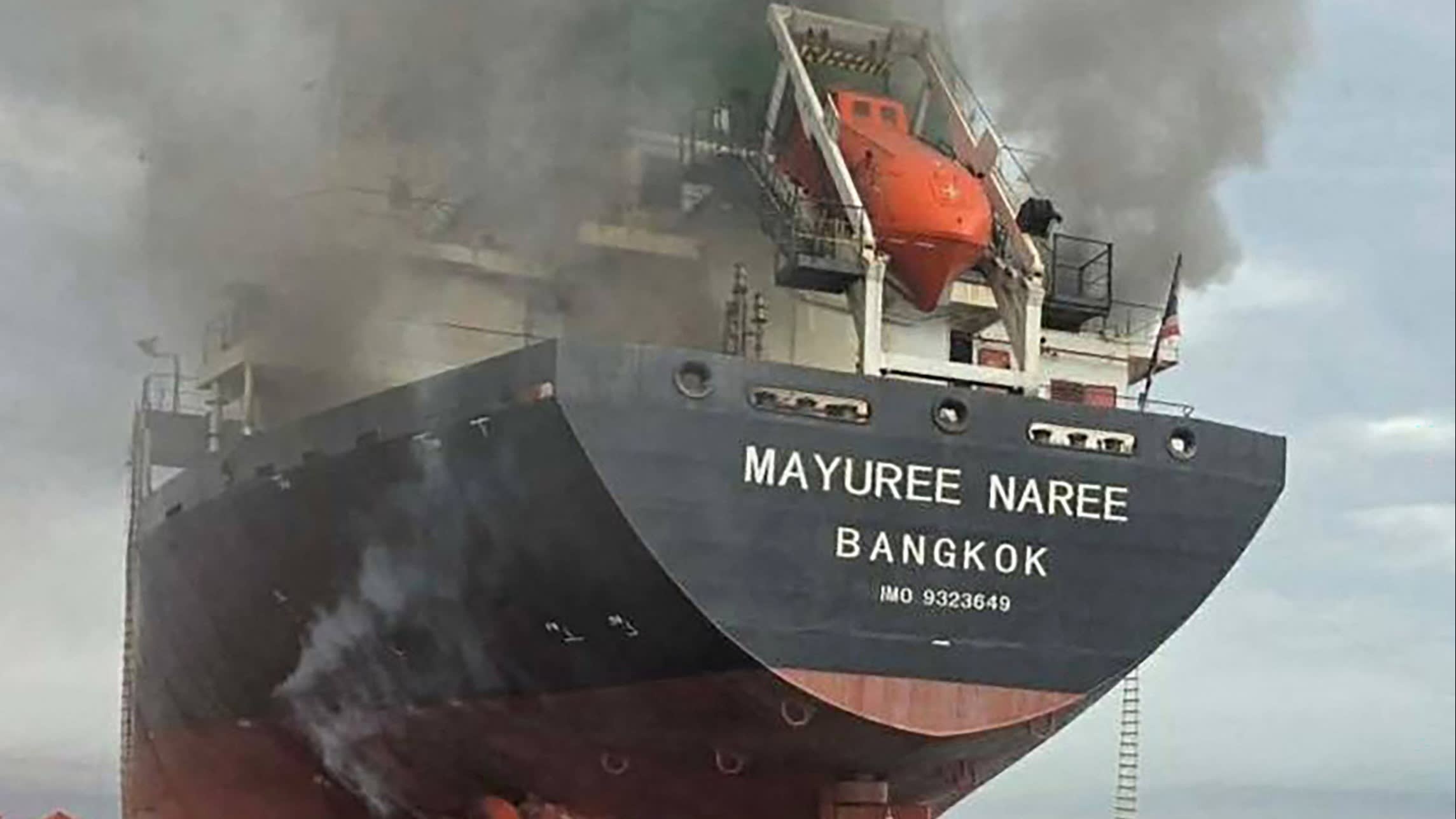
Escalating tensions in the Middle East, punctuated by recent attacks on commercial vessels transiting vital shipping lanes, have sent crude oil prices surging back above the psychologically significant $100 per barrel threshold. This dramatic price fluctuation underscores the precariousness of global energy security and the profound impact that regional instability can have on international commodity markets. The incidents, which have been met with widespread condemnation and heightened diplomatic scrutiny, have injected a fresh wave of uncertainty into an already volatile geopolitical landscape, raising concerns about potential supply disruptions and their ripple effects across the global economy.
The strategic waterways of the Persian Gulf, including the Strait of Hormuz, are critical arteries for the global oil trade, through which a significant portion of the world’s crude oil supply passes daily. Any disruption, whether intentional or accidental, in this region can have immediate and far-reaching consequences for energy prices and availability worldwide. The recent attacks, though details remain under investigation and attribution is complex, have reignited fears of a wider conflict that could directly imperil these vital shipping routes. This has prompted a swift and decisive reaction from market participants, who are pricing in a heightened risk premium for oil futures.
The surge in oil prices is not merely a reflection of immediate supply concerns; it also encapsulates a broader apprehension about the potential for prolonged conflict and its wider economic ramifications. Beyond the direct impact on the energy sector, elevated oil prices can fuel inflation across numerous industries, increasing transportation costs for goods and services, and ultimately impacting consumer spending. Businesses that rely heavily on energy inputs are particularly vulnerable to these price shocks, potentially leading to reduced investment, slower economic growth, and a more challenging operating environment.
Geopolitical Flashpoint and Energy Lifelines
The Middle East, a region historically synonymous with geopolitical volatility, continues to be a critical nexus for global energy supplies. The intricate web of alliances, rivalries, and long-standing grievances within the region creates a perpetually fertile ground for instability. The recent incidents involving commercial shipping are the latest manifestation of these underlying tensions, adding another layer of complexity to an already fraught geopolitical environment. The involvement of naval forces from various international powers in the region, ostensibly to ensure freedom of navigation and deter aggression, further amplifies the potential for miscalculation and escalation.
The Strait of Hormuz, a narrow maritime chokepoint, is of paramount importance. Approximately one-fifth of the world’s total oil consumption passes through this strategically vital passage. Any closure or significant disruption here would have an immediate and catastrophic impact on global oil supplies, leading to unprecedented price spikes and potentially triggering a global economic recession. The vulnerability of this chokepoint has long been a subject of concern for international energy security experts, and the recent events have starkly reminded the world of this persistent threat.
Beyond the Strait of Hormuz, other critical maritime routes in the Persian Gulf and the broader Middle East are also susceptible to disruptions. The Bab el-Mandeb Strait, connecting the Red Sea to the Gulf of Aden, is another vital transit point for oil tankers. Incidents in any of these areas can create a cascading effect, forcing rerouting of vessels, increasing shipping times, and driving up transportation costs, all of which contribute to higher oil prices.
Market Dynamics and Investor Sentiment
The immediate reaction in oil markets to the shipping incidents has been a clear indication of heightened risk aversion among investors. The rebound above $100 per barrel signifies a shift in market sentiment, moving away from the more subdued price environment of recent months. This price action is driven by a combination of factors, including immediate concerns about potential supply disruptions and a more generalized fear of escalation.
Traders and analysts are closely monitoring a range of indicators, including shipping insurance premiums, naval patrol activity, and diplomatic pronouncements, to gauge the evolving risk landscape. The cost of insuring vessels transiting the affected regions has reportedly surged, a clear signal of increased perceived danger. This added cost is invariably passed on to consumers in the form of higher fuel prices.
Furthermore, the specter of increased military involvement from major global powers, while intended to deter further aggression, can also introduce new complexities and potential flashpoints. The interplay between regional actors and international naval forces creates a delicate balance that, if disrupted, could lead to unintended consequences and further destabilize the energy markets.
Economic Ramifications and Policy Responses
The economic implications of sustained high oil prices are significant and multifaceted. For energy-importing nations, a sustained surge above $100 per barrel can lead to a widening current account deficit, place pressure on national currencies, and necessitate painful fiscal adjustments. Central banks may find themselves in a difficult position, grappling with the dual challenges of controlling inflation driven by energy costs and stimulating economic growth that is being hampered by those same costs.
Industries that are heavily reliant on oil as a feedstock or for transportation, such as airlines, shipping companies, and manufacturers, will face increased operating expenses. This can lead to reduced profit margins, potential job losses, and a slowdown in industrial output. For consumers, higher fuel prices translate into increased costs for transportation, heating, and a wide array of goods and services, potentially leading to a squeeze on household budgets and a dampening of consumer demand.
Governments are likely to face increased pressure to implement measures to mitigate the impact of high oil prices. These could include strategic petroleum reserve releases, subsidies for energy-intensive industries or consumers, or a renewed focus on accelerating the transition to alternative energy sources. However, the effectiveness and sustainability of such measures are often debated, and they can sometimes have unintended consequences.
Expert Analysis and Future Outlook
Market analysts and energy experts are closely scrutinizing the situation, seeking to discern the long-term implications of the current events. The prevailing sentiment is one of cautious optimism that a full-blown conflict will be averted, but with a recognition that the risk of further incidents remains elevated. The ability of regional and international actors to de-escalate tensions and ensure the unimpeded flow of oil will be critical in determining the future trajectory of oil prices.
One key factor to watch is the response of major oil-producing nations. While the current surge in prices may be beneficial for their export revenues in the short term, a prolonged period of instability and uncertainty could ultimately harm their long-term economic prospects and their relationships with key trading partners. Their willingness and ability to maintain production levels and manage market sentiment will be crucial.
The ongoing global energy transition also adds another layer of complexity. While high oil prices can theoretically accelerate the adoption of renewable energy technologies, the immediate economic pressures they create can also lead to short-term reliance on fossil fuels. The pace and scale of investment in alternative energy sources will be a critical determinant of global energy security in the coming decades.
The current situation serves as a stark reminder of the interconnectedness of global markets and the profound influence of geopolitical events on economic stability. The coming weeks and months will be crucial in assessing whether the current surge in oil prices is a temporary spike driven by immediate concerns, or the harbinger of a more prolonged period of volatility and elevated energy costs. The decisions made by governments, the actions of regional actors, and the resilience of global supply chains will all play a vital role in shaping the future of energy markets and the broader global economy. The events in the Persian Gulf have once again underscored the imperative for sustained diplomatic engagement, robust de-escalation efforts, and a diversified and resilient global energy infrastructure to navigate the inherent complexities of the international energy landscape.


 Ayu Aulia
 Safa Marwah
 Aura Kasih
 Lisa Mariana