Ridwan Kamil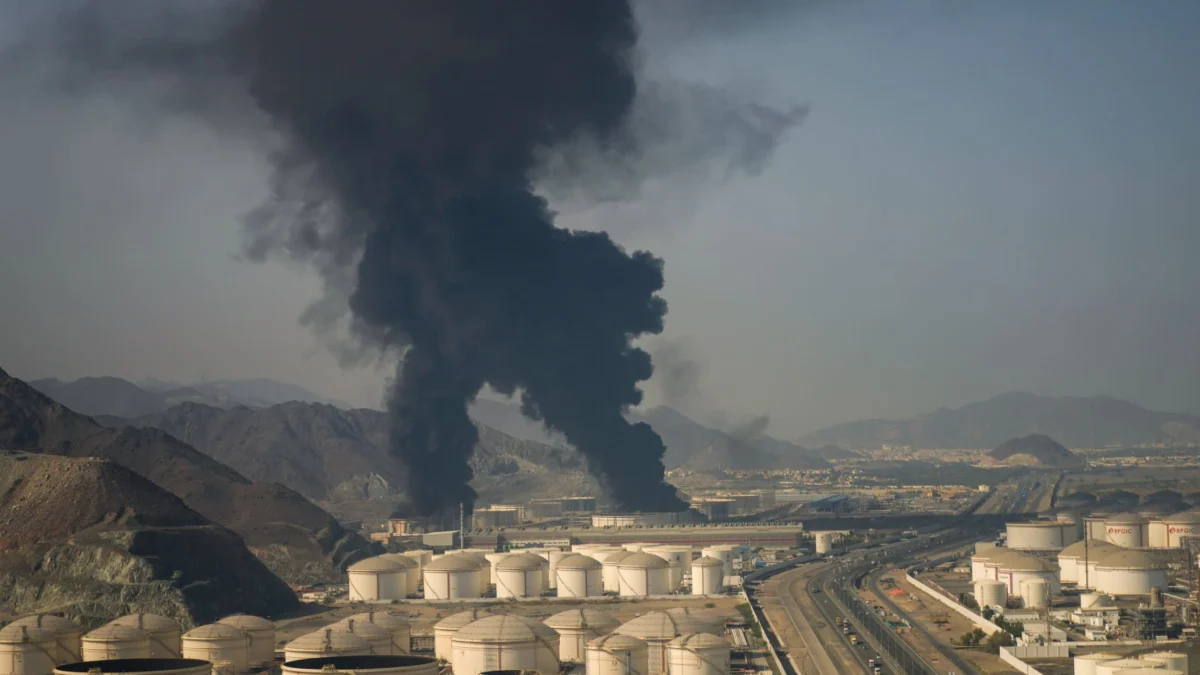
Heightened geopolitical tensions continue to cast a long shadow over the vital energy chokepoints of the Persian Gulf, with intelligence assessments indicating Iran’s sustained capability and willingness to disrupt maritime traffic and target critical energy infrastructure. The region, a linchpin of global oil and gas supply, remains a volatile arena where Tehran’s strategic posture poses a persistent threat to international economic stability.
The strategic significance of the Persian Gulf cannot be overstated. This narrow waterway serves as the primary conduit for a substantial portion of the world’s crude oil and liquefied natural gas (LNG) exports. Any disruption, whether through direct military action, asymmetric warfare tactics, or indirect means, has immediate and far-reaching repercussions on global energy markets, influencing prices, supply chains, and ultimately, the economic well-being of nations worldwide. Iran, strategically positioned along the Strait of Hormuz, a critical maritime passage, possesses a unique capacity to exert significant influence over this vital artery.
Intelligence assessments, frequently corroborated by observable patterns of activity and rhetorical pronouncements from Tehran, suggest that Iran has meticulously cultivated and maintained a multifaceted array of capabilities designed to project power and influence in the maritime domain. These capabilities extend beyond conventional naval assets and encompass a sophisticated network of asymmetric warfare tools. This includes the potential deployment of naval mines, the use of fast-attack craft equipped with anti-ship missiles, and the deliberate targeting of commercial vessels, particularly those associated with adversarial nations or states perceived as hostile. Furthermore, the proliferation of unmanned aerial vehicles (UAVs) and drones, a domain where Iran has demonstrated considerable advancement, presents an evolving and increasingly concerning threat vector. These uncrewed systems can be employed for reconnaissance, surveillance, and, critically, as weapons platforms capable of inflicting substantial damage on offshore oil platforms, export terminals, and tanker fleets.
The rationale behind Iran’s persistent posture of maritime assertiveness is multifaceted, rooted in a complex interplay of strategic objectives and perceived vulnerabilities. Domestically, the demonstration of such capabilities serves to bolster the regime’s image as a powerful regional actor, capable of resisting external pressures and defending its interests. Internationally, it acts as a strategic deterrent, aimed at dissuading adversaries from undertaking aggressive actions against Iran. By creating an environment of perpetual uncertainty and the potential for costly disruptions, Tehran seeks to impose a strategic calculus on its rivals, forcing them to weigh the potential consequences of escalation. Moreover, Iran’s maritime strategy is intrinsically linked to its broader regional ambitions and its ongoing contest for influence with key Arab states and their international allies. The ability to project power in the Gulf allows Iran to shape regional security dynamics and exert leverage in diplomatic and political arenas.
The potential consequences of Iran escalating its maritime attacks are profound and extend far beyond immediate economic disruption. A significant escalation could trigger a sharp and sustained surge in global oil prices, as markets react to the perceived risk of prolonged supply interruptions. This, in turn, would fuel inflation across economies, impact consumer spending, and potentially lead to widespread economic instability. The insurance premiums for vessels transiting the region would likely skyrocket, further increasing the cost of doing business and potentially leading some shipping companies to reroute, adding significant transit times and costs to global trade.
Beyond the economic ramifications, an escalation could also precipitate a dangerous cycle of retaliatory actions. Any direct attack on international shipping or energy infrastructure would almost certainly elicit a robust response from affected nations, potentially leading to broader military engagements. This could involve naval blockades, targeted strikes against Iranian military assets, and a general deterioration of regional security, with profound implications for international peace and stability. The presence of numerous international naval forces in the Gulf, tasked with ensuring freedom of navigation, would be drawn into any escalating conflict, increasing the risk of miscalculation and unintended confrontation.
The sophistication of Iran’s asymmetric warfare capabilities is a key factor contributing to the persistent threat. While lacking the conventional naval might of global superpowers, Iran has strategically invested in a diverse range of unconventional assets that are difficult to counter effectively. The widespread use of small, agile boats that can swarm larger vessels, coupled with the deployment of anti-ship missiles and mines, creates a complex and challenging operational environment for naval forces. The increasing integration of drone technology into these tactics further amplifies the threat, allowing for more precise targeting and a broader operational reach. The development and deployment of advanced naval mines, capable of being laid covertly and posing a significant hazard to navigation for an extended period, remain a particularly concerning capability.
The international community has responded to Iran’s maritime assertiveness through a combination of diplomatic engagement, sanctions, and the strengthening of naval presence in the region. Efforts to de-escalate tensions and find diplomatic solutions remain paramount, though progress has been challenging. Sanctions imposed on Iran have aimed to curb its ability to fund its military programs, including those related to its maritime capabilities. Concurrently, international naval coalitions have increased patrols and surveillance in the Persian Gulf and the Strait of Hormuz, seeking to deter attacks and ensure the safe passage of commercial vessels. These patrols often involve joint exercises and intelligence sharing among participating nations, aimed at enhancing situational awareness and coordinated response capabilities.
However, the effectiveness of these measures is subject to ongoing evaluation. While deterrence has played a role in preventing outright, large-scale conflict, the incidents of harassment and attempted seizures of vessels underscore the persistent nature of the threat. The adaptive nature of Iran’s strategy means that countermeasures must also evolve continuously. The focus is increasingly shifting towards intelligence gathering and predictive analysis to anticipate and preempt potential attacks before they occur. This involves leveraging advanced technologies for monitoring maritime traffic, identifying suspicious vessel movements, and detecting the deployment of mines or other offensive assets.
The future outlook for maritime security in the Persian Gulf remains contingent on a complex interplay of geopolitical factors, Iran’s internal political dynamics, and the international community’s sustained commitment to regional stability. Any significant shifts in regional power balances, or changes in the geopolitical calculus of major global powers, could alter the threat landscape. Furthermore, the ongoing nuclear negotiations and broader diplomatic efforts with Iran will undoubtedly influence Tehran’s strategic decision-making, including its approach to maritime security. A sustained period of de-escalation and constructive engagement could potentially lead to a reduction in Iran’s assertive maritime posture. Conversely, increased tensions or a perceived impasse in diplomatic efforts could embolden Tehran to further leverage its maritime capabilities as a tool of coercion.
The persistent threat posed by Iran to energy transit in the Persian Gulf serves as a stark reminder of the fragility of global energy security. The region’s critical role in supplying the world with essential energy resources necessitates a vigilant and coordinated international response. This response must encompass robust diplomatic efforts to de-escalate tensions, sustained intelligence gathering and threat assessment, and a credible military presence to deter aggression and ensure freedom of navigation. The economic and geopolitical ramifications of unchecked maritime disruption in this vital waterway are simply too significant to ignore, demanding a proactive and comprehensive approach to safeguarding global energy flows. The ongoing challenge lies in finding a balance between deterrence and de-escalation, fostering an environment where vital energy arteries can operate without the constant specter of conflict and disruption.




 Ayu Aulia
 Safa Marwah