
 Ridwan Kamil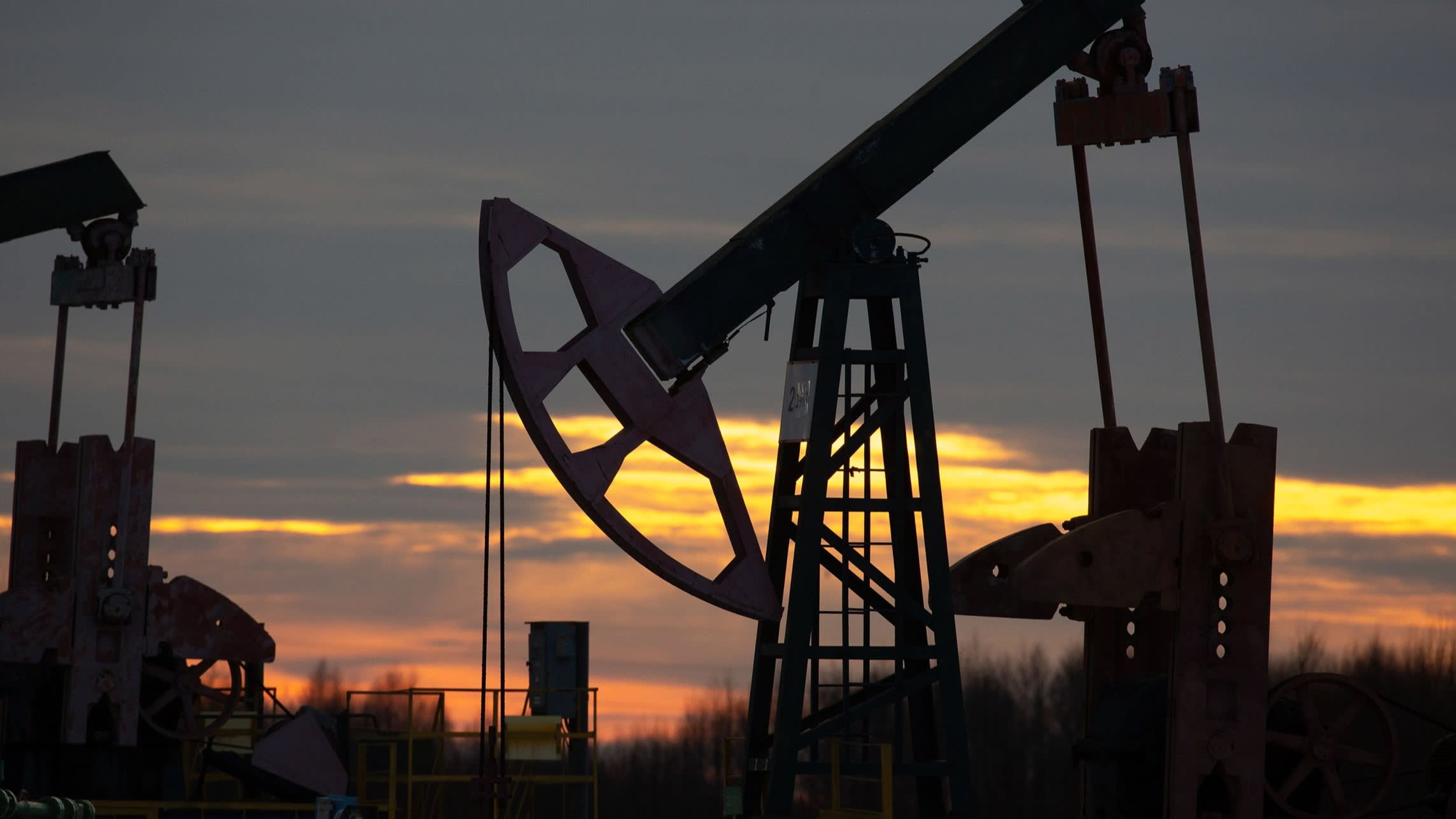
Heightened geopolitical tensions and persistent supply-side constraints have propelled global oil prices to stratospheric levels, resulting in an estimated daily revenue windfall of approximately $150 million for Russia. This dramatic upswing in income is a direct consequence of the international market’s response to ongoing disruptions in energy flows and the strategic repositioning of energy producers.
The intricate dynamics of the global energy market are currently experiencing a profound shift, with crude oil prices exhibiting remarkable volatility and a persistent upward trajectory. This surge is not merely a fleeting market fluctuation but a complex interplay of geopolitical events, deliberate production decisions, and evolving demand patterns. At the epicenter of this phenomenon lies Russia, a major energy exporter, which is demonstrably benefiting from this elevated price environment by accumulating significant additional revenue streams on a daily basis. Analysts estimate this daily surplus to be in the region of $150 million, a figure that underscores the substantial financial implications of the current market conditions for Moscow.
The Genesis of the Price Surge: A Confluence of Factors
The current elevated state of oil prices is not attributable to a single cause but rather a confluence of interconnected factors that have coalesced to create a perfect storm for energy producers. Foremost among these is the ongoing geopolitical instability, particularly the conflict in Eastern Europe, which has sent shockwaves through global supply chains and created significant uncertainty in energy markets. The imposition of sanctions and the subsequent retaliatory measures have disrupted established trade routes and introduced a premium for reliable energy sources.
Beyond the immediate geopolitical fallout, underlying supply-side pressures have been building for some time. Years of underinvestment in new exploration and production capacity, coupled with the premature retirement of existing infrastructure, have constrained the market’s ability to respond swiftly to sudden demand increases or supply shocks. Furthermore, the transition towards cleaner energy sources, while a long-term imperative, has also contributed to a reduced emphasis on fossil fuel production in some regions, further tightening the supply picture.
Demand, meanwhile, has shown a robust resurgence as economies globally have emerged from pandemic-induced lockdowns. The pent-up consumer and industrial demand has placed significant pressure on available energy supplies, creating a scenario where supply struggles to keep pace with burgeoning consumption. This imbalance between robust demand and constrained supply is the fundamental driver behind the sustained increase in oil prices.
Russia’s Strategic Position and Revenue Generation
As a nation endowed with vast oil reserves and a significant global market share, Russia finds itself in a uniquely advantageous position amidst this price escalation. While global efforts have been made to reduce reliance on Russian energy, the sheer scale of its production capacity and the intricate web of existing trade relationships mean that its oil continues to find buyers, albeit often at negotiated prices that reflect the prevailing market premiums.
The $150 million daily figure represents an extra revenue stream, meaning it is the additional income generated above and beyond what Russia would have earned at pre-surge price levels. This substantial influx of capital has profound implications for the Russian economy, its fiscal stability, and its geopolitical maneuvering capabilities. It provides Moscow with increased financial resources to fund domestic initiatives, support its military operations, and weather the impact of international sanctions.
The mechanisms through which this revenue is generated are multifaceted. Firstly, the direct sale of crude oil and refined products at higher prices contributes significantly. Secondly, the strategic rerouting of energy exports, often to markets less inclined to adhere to Western sanctions, allows Russia to maintain its export volumes while still commanding premium prices. This includes increased sales to Asian markets, where demand remains strong and alternative supply options may be more limited.
Economic Implications for Russia and the Global Landscape
The sustained high oil prices offer a critical lifeline to the Russian economy, mitigating some of the adverse effects of sanctions. The increased revenue can be channeled into various sectors, potentially bolstering domestic industries and providing a buffer against external economic pressures. This financial resilience can, in turn, strengthen Russia’s ability to sustain its current geopolitical strategies and resist international isolation.
However, this dependence on commodity prices also presents inherent vulnerabilities. While current prices are favorable, any significant global economic slowdown or a rapid resolution of geopolitical tensions could lead to a swift price correction, diminishing Russia’s revenue streams. Moreover, the long-term global shift towards renewable energy sources poses a structural challenge to economies heavily reliant on fossil fuel exports.
Globally, the sustained high oil prices have far-reaching consequences. They contribute to inflationary pressures across economies, increasing the cost of transportation, manufacturing, and a wide array of consumer goods. This can lead to a reduction in consumer purchasing power and potentially dampen global economic growth. For energy-importing nations, the increased cost of energy translates into significant balance of payments challenges and necessitates a reevaluation of energy security strategies.
Expert Analysis and Future Outlook
Industry analysts are closely monitoring the evolving energy landscape. The current price environment is seen by many as unsustainable in the long term, given the inherent volatility of commodity markets and the ongoing global push for energy diversification. However, the immediate future suggests a continued period of elevated prices, driven by persistent supply constraints and geopolitical uncertainties.
The effectiveness of sanctions in curbing Russia’s energy revenue is a subject of ongoing debate. While some Western nations have reduced their direct reliance on Russian oil, the global market’s interconnectedness means that redirected flows and the sheer volume of global demand continue to provide Russia with significant export opportunities. The efficacy of price caps and other measures aimed at limiting Russia’s earnings remains a critical area of focus for policymakers.
Looking ahead, several factors will shape the future of oil prices and, consequently, Russia’s revenue. The pace of economic recovery in key consuming nations, the success of diplomatic efforts to de-escalate geopolitical tensions, and the ability of other oil-producing nations to ramp up their output will all play crucial roles. Furthermore, the speed at which countries transition to alternative energy sources will determine the long-term demand for fossil fuels.
The current situation highlights the profound influence of energy markets on global geopolitics and economics. Russia’s ability to generate substantial additional revenue from surging oil prices underscores its strategic importance in the global energy equation, while simultaneously posing complex challenges for nations seeking to achieve energy security and economic stability in an increasingly uncertain world. The coming months and years will likely see continued efforts to navigate these complexities, balancing immediate energy needs with the imperative of a sustainable and secure global energy future. The ongoing financial windfall for Russia serves as a stark reminder of the enduring power of fossil fuels in shaping international relations and economic outcomes.




 Aura Kasih
 Lisa Mariana

 Safa Marwah