
 Ridwan Kamil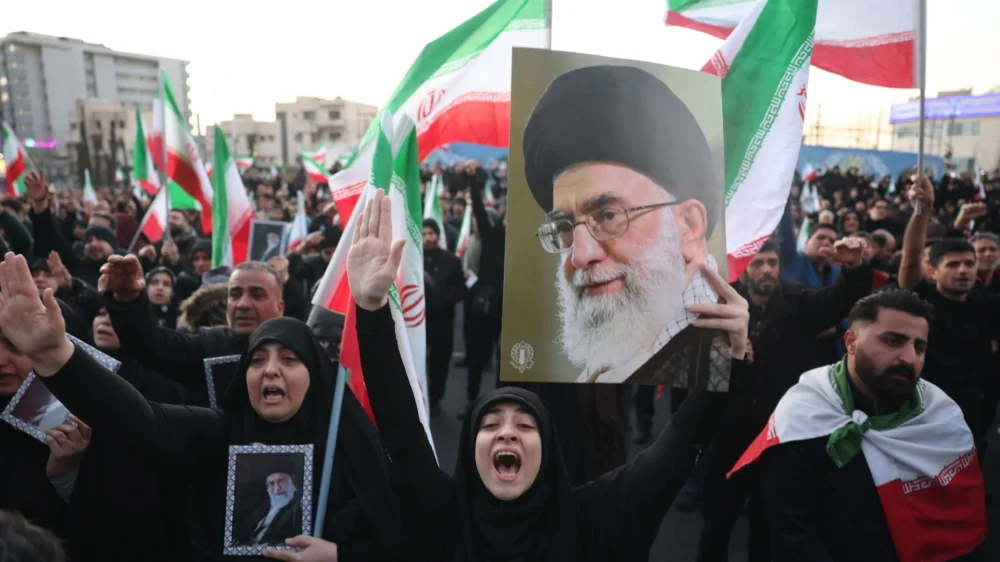
In a move aimed at preempting potential market disruptions following significant geopolitical events in the Middle East, the Organization of the Petroleum Exporting Countries and its allies (OPEC+) have announced plans to increase oil production, signaling a concerted effort to inject stability into volatile global energy markets. This decision comes in the wake of highly impactful, though unconfirmed, reports of targeted strikes in Iran that have reportedly led to the demise of its supreme leader, Ali Khamenei, and casualties within the Israeli military, intensifying regional instability and raising critical questions about future oil supply dynamics.
The strategic decision by OPEC+ to augment crude oil output is a direct response to the palpable apprehension gripping international financial and energy sectors. The purported elimination of a paramount leader in a key oil-producing nation, coupled with retaliatory actions attributed to Israel, has cast a long shadow over the already precarious geopolitical landscape of the Middle East. This volatile confluence of events necessitates immediate and decisive action from major energy producers to assuage market fears and prevent a spiraling escalation of oil prices that could have profound global economic repercussions.
Geopolitical Tremors and Their Economic Ramifications
The unfolding events in Iran and the subsequent reactions represent a critical juncture with far-reaching implications for global energy security. The death of Supreme Leader Ali Khamenei, a figurehead who has steered Iran’s strategic and ideological direction for decades, is poised to trigger a significant leadership transition and a potential re-evaluation of Iran’s foreign policy, particularly its regional engagements and its stance on the nuclear program. This internal power struggle, if it materializes, could introduce a new layer of uncertainty into an already complex geopolitical equation.
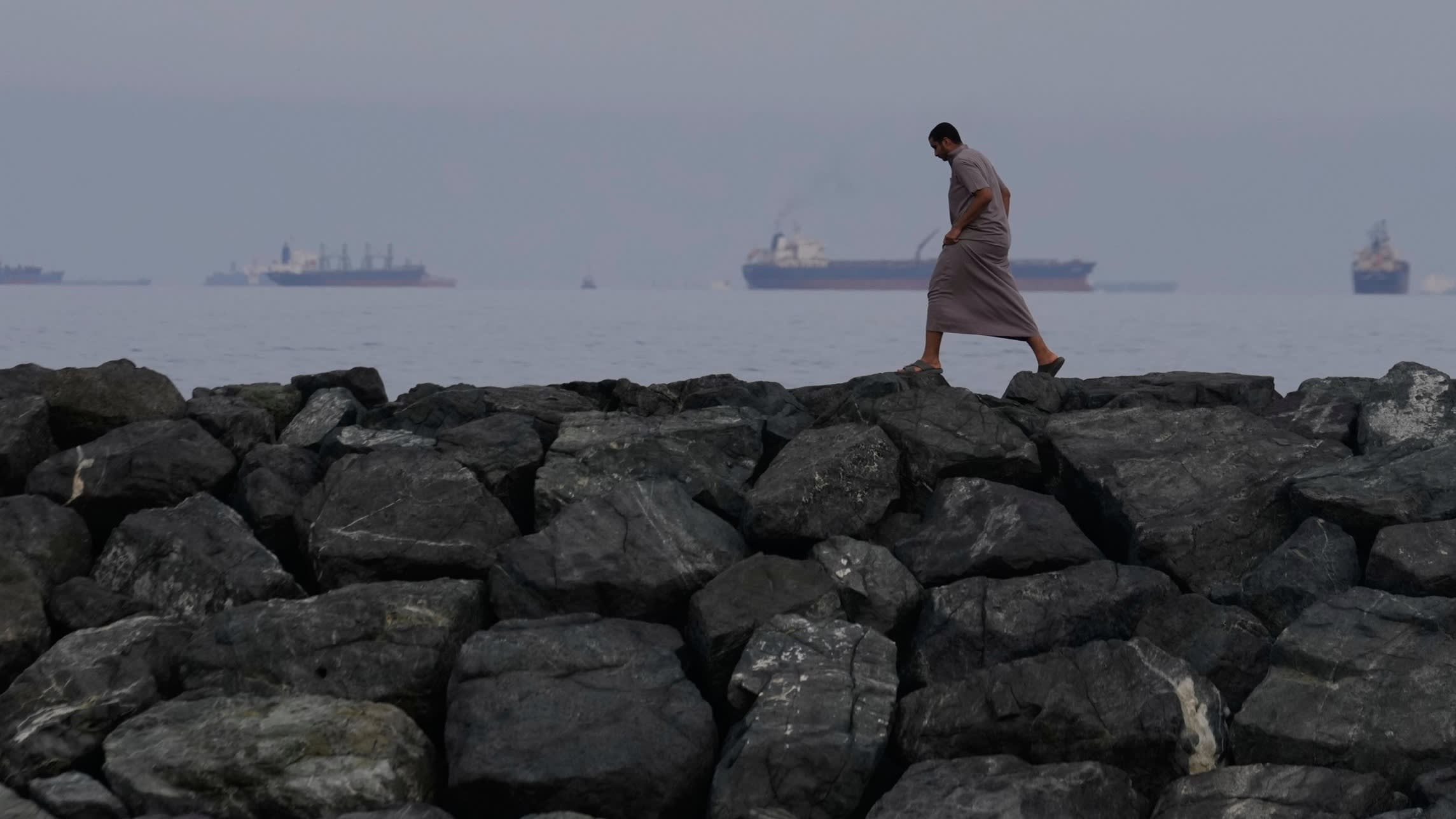
Simultaneously, reports of Israeli strikes, if substantiated and confirmed to be linked to the Iranian developments, would signify a dangerous escalation in the proxy conflicts and direct confrontations that have characterized the region for years. The delicate balance of power, often maintained through a complex web of deterrence and indirect confrontation, could be irrevocably altered, potentially leading to broader regional conflict. Such a scenario would undoubtedly lead to severe disruptions in oil transportation routes, including the Strait of Hormuz, a vital chokepoint for global oil trade, and could prompt retaliatory actions from Iran and its allied militant groups, further exacerbating supply chain vulnerabilities.
OPEC+’s Strategic Balancing Act
OPEC+, a powerful cartel of oil-producing nations, finds itself at the nexus of this unfolding crisis, tasked with navigating a treacherous path between maintaining market stability and adhering to its members’ individual economic interests. The group’s decision to increase production is a calculated move designed to demonstrate a commitment to global energy consumers and to preempt speculative surges in oil prices driven by fear rather than actual supply shortages.
However, the effectiveness and sustainability of this production increase are subject to several critical factors. Firstly, the actual capacity of OPEC+ members, particularly those with spare production capabilities, to significantly boost output in the short term will be crucial. Not all members possess the infrastructure or the political will to rapidly increase their supply. Secondly, the extent to which the current geopolitical tensions translate into actual supply disruptions will ultimately dictate the market’s response. If the situation deteriorates further, even increased production might not be sufficient to counteract the impact of major supply route blockades or significant production facility damage.
Furthermore, the internal dynamics within OPEC+ itself warrant consideration. While the group has historically acted in concert to manage oil markets, differing economic needs and geopolitical alignments among its member states can sometimes create friction. The current crisis may test the group’s cohesion and its ability to maintain a unified strategy in the face of unprecedented external pressures.
Expert Analysis and Market Sentiment
Market analysts are closely scrutinizing the OPEC+ decision, with differing perspectives on its potential impact. Some view the move as a prudent measure to inject much-needed confidence into an anxious market, arguing that a proactive stance from major producers can effectively temper price volatility. They point to the group’s past successes in managing supply shocks and believe that a coordinated increase in output, even if moderate, can signal a commitment to market equilibrium.
Conversely, other analysts express caution, emphasizing that the underlying geopolitical risks remain largely unaddressed. They argue that any production increase by OPEC+ might be a temporary palliative, failing to address the fundamental instability that could lead to significant supply disruptions in the medium to long term. The potential for retaliatory actions, cyberattacks on energy infrastructure, or the involvement of other regional powers could swiftly overwhelm any efforts to stabilize prices. The focus, therefore, remains on the de-escalation of tensions and the restoration of diplomatic channels to mitigate the most severe risks.
The Role of Spare Capacity and Non-OPEC+ Producers
The global oil market’s resilience is also contingent on the availability of spare production capacity outside of OPEC+. Countries such as the United States, with its significant shale oil production, and other non-OPEC+ producers play a vital role in absorbing supply shocks. The current situation will likely incentivize these producers to monitor market conditions closely and potentially adjust their own output levels in response to price signals and perceived market needs.
However, the speed at which these non-OPEC+ producers can ramp up production is often slower and more market-driven than the coordinated policy decisions of OPEC+. Their response will largely depend on investment decisions, regulatory environments, and the perceived long-term stability of oil prices. A prolonged period of high prices, driven by geopolitical instability, could incentivize greater investment in these alternative sources, potentially altering the long-term supply landscape.
Broader Economic Implications
The ramifications of an unstable oil market extend far beyond the energy sector. For the global economy, higher and more volatile energy prices translate directly into increased transportation costs, higher inflation, and reduced consumer spending power. Businesses across various sectors face increased operational expenses, which can dampen investment and slow economic growth. Developing economies, often heavily reliant on imported energy, are particularly vulnerable to price shocks, potentially exacerbating existing economic challenges and leading to social unrest.
The geopolitical tensions also create a climate of uncertainty that can deter international trade and investment. Companies may postpone expansion plans or seek to diversify their supply chains to mitigate risks associated with regional instability. This can have a ripple effect on global economic interconnectedness and slow down the pace of globalization.
Future Outlook and Strategic Considerations
The immediate future of global energy markets hinges on the trajectory of the geopolitical situation in the Middle East. A swift de-escalation of tensions, coupled with a clear leadership transition in Iran that prioritizes stability, could allow OPEC+’s production increase to have a stabilizing effect. However, any prolonged conflict or further escalation would likely overwhelm market management efforts, leading to sustained price volatility and significant economic headwinds.
From a strategic perspective, the current crisis underscores the ongoing need for diversification of energy sources and a reduction in global reliance on fossil fuels. While the transition to renewable energy is a long-term endeavor, the recurring vulnerability of oil markets to geopolitical shocks reinforces the urgency of accelerating investments in alternative energy technologies and infrastructure. Moreover, enhancing energy efficiency and promoting sustainable consumption patterns are crucial steps in building a more resilient global energy system.
The events surrounding the reported demise of Supreme Leader Khamenei and the subsequent retaliatory actions represent a critical moment for the Middle East and the global energy landscape. OPEC+’s preemptive decision to boost oil output reflects a recognition of the potential for severe market disruption. However, the true test will lie in the group’s ability to sustain this effort amidst escalating geopolitical uncertainties and in the broader international community’s capacity to foster de-escalation and promote a more stable and predictable energy future. The coming weeks and months will be pivotal in determining the extent of the impact on global energy markets and the broader international economy.



 Aura Kasih
 Safa Marwah

 Lisa Mariana