Ridwan Kamil
In a significant move to stabilize volatile global energy markets amidst escalating geopolitical turmoil in the Middle East, Japan has signaled its intention to lead an international coordinated release of strategic oil reserves. This proactive measure aims to counter potential supply disruptions and mitigate the economic fallout from the ongoing conflict, underscoring the interconnectedness of regional stability and global energy security.
The unfolding crisis in the Middle East has cast a long shadow over the world’s energy landscape, prompting urgent discussions and decisive action among key international players. The specter of protracted conflict in a region that accounts for a substantial portion of global oil production has sent shockwaves through financial markets, driving up crude oil prices and igniting concerns about inflation and economic slowdowns. In this high-stakes environment, Japan’s commitment to spearheading the release of strategic petroleum reserves (SPR) represents a critical intervention designed to inject much-needed supply into the market and assuage fears of significant shortages.
The decision by Tokyo to take the helm in this coordinated effort is not merely a logistical undertaking; it is a testament to Japan’s recognition of its pivotal role in global energy governance and its proactive approach to mitigating systemic risks. Japan, as one of the world’s largest energy importers, possesses a vested interest in maintaining stable oil prices and ensuring uninterrupted supply chains. Its leadership in this instance signals a commitment to collective security and a willingness to leverage its considerable resources to counter potential economic shocks.
Background and Context: The Delicate Balance of Middle East Energy
The Middle East has long been the epicenter of global oil production, with its vast reserves and strategic waterways playing an indispensable role in meeting the world’s energy demands. Countries like Saudi Arabia, the UAE, Iraq, and Iran are not only major oil producers but also crucial transit points for crude oil and refined products. Consequently, any disruption to this delicate balance, whether through direct conflict, political instability, or sanctions, can have far-reaching and immediate consequences for the global economy.
The current escalation of tensions, stemming from [insert specific conflict details or general regional instability here, e.g., the recent outbreak of hostilities between X and Y, or heightened tensions in the Strait of Hormuz], has brought these long-standing vulnerabilities to the forefront. The potential for the conflict to spill over into major oil-producing nations or to disrupt critical shipping lanes, such as the Strait of Hormuz, a vital chokepoint for oil tankers, is a primary concern for energy-importing nations. The fear is not just about a reduction in the sheer volume of oil available, but also about the increased cost of transportation and insurance, further exacerbating price pressures.
Strategic Petroleum Reserves: A Vital Tool for Market Stability
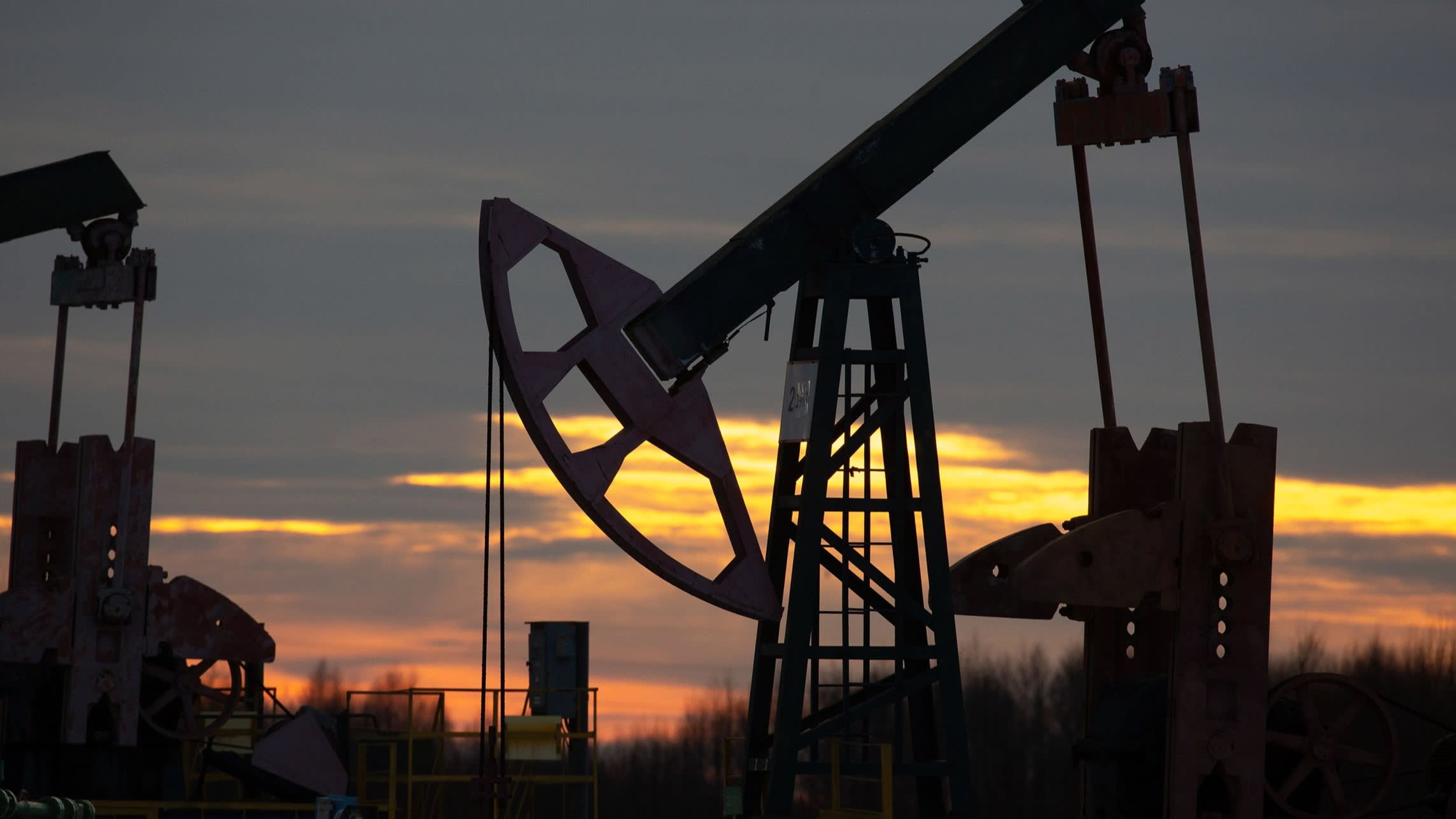
Strategic Petroleum Reserves (SPRs) are government-controlled stockpiles of crude oil maintained for national security and economic stability purposes. They are designed to provide a buffer against significant supply disruptions, such as those caused by natural disasters, political unrest, or deliberate acts of sabotage. The concept behind SPRs is to release oil from these reserves into the market during emergencies, thereby increasing supply, moderating price spikes, and providing crucial breathing room for governments and industries to adapt.
Japan, like many developed nations, maintains substantial SPRs. Its decision to lead a coordinated release implies a collaborative effort with other major consuming nations, likely including the United States, European Union member states, and other key Asian economies. Such a coordinated approach is essential to maximize the impact on global supply and to signal a unified front in addressing the crisis. The scale of the release will be a critical factor in its effectiveness. A substantial draw from reserves can significantly impact market sentiment and physical supply, while a smaller release might have a more limited effect.
Economic Implications: Beyond the Price of Oil
The ramifications of a sustained surge in oil prices extend far beyond the immediate impact on fuel at the pump. For oil-importing nations, higher energy costs translate directly into increased import bills, potentially widening trade deficits and putting pressure on national currencies. This can lead to a cascade of economic challenges:
- Inflationary Pressures: Energy is a fundamental input for almost all sectors of the economy. Higher oil prices fuel inflation across the board, from transportation costs to the production of goods and services. This can erode purchasing power for consumers and increase operating costs for businesses.
- Reduced Consumer Spending: As households are forced to spend more on essential energy needs, discretionary spending on other goods and services tends to decline. This can slow economic growth and impact sectors reliant on consumer demand.
- Industrial Output and Competitiveness: Industries that are energy-intensive, such as manufacturing, agriculture, and transportation, face significant cost increases. This can reduce their competitiveness in the global market and potentially lead to production cutbacks or relocation of operations.
- Geopolitical Leverage: For oil-exporting nations, higher prices can translate into increased revenues, providing them with greater financial leverage and the ability to fund their own strategic objectives. This can further complicate geopolitical dynamics.
Japan’s proactive stance in releasing oil reserves is a critical measure to preempt these adverse economic consequences. By injecting supply, the aim is to temper price increases, thereby mitigating inflationary pressures and providing a degree of stability for both its domestic economy and the broader global economic order.
Analysis: The Strategic Significance of Japan’s Leadership
Japan’s willingness to take the lead in this coordinated release is strategically significant for several reasons. Firstly, it reinforces the importance of international cooperation in managing global energy security. In an era of complex and interconnected challenges, unilateral actions are often insufficient. A coordinated release demonstrates a shared commitment to stability and a collective understanding of the risks posed by regional conflicts.
Secondly, Japan’s position as a major economic power and a significant energy consumer lends considerable weight to its initiative. Its leadership can encourage other nations, particularly those with smaller SPRs or those hesitant to draw down their reserves, to participate in the coordinated effort. This can amplify the overall impact of the reserve release.
Thirdly, this action underscores the evolving role of energy diplomacy. Beyond traditional bilateral and multilateral forums, the management of energy resources has become a critical component of international relations. Japan’s proactive stance positions it as a responsible stakeholder and a key player in global energy governance.
Expert Perspectives and Future Outlook
Energy analysts suggest that the effectiveness of this coordinated reserve release will depend on several factors. The quantity of oil released, the duration of the release, and the market’s perception of the ongoing conflict will all play a crucial role. If the conflict intensifies or leads to more significant supply disruptions than currently anticipated, the impact of the reserve release may be temporary.
Furthermore, the decision by producing nations, particularly those within the Organization of the Petroleum Exporting Countries (OPEC) and its allies (OPEC+), to adjust their own production levels in response to market dynamics will be critical. While the reserve release aims to stabilize prices, OPEC+ actions can either complement or counteract these efforts. The current geopolitical climate suggests that producing nations may be hesitant to significantly increase output if they perceive a sustained demand driven by conflict-related supply concerns.
Looking ahead, the situation remains fluid. The ongoing conflict in the Middle East presents a persistent risk to global energy markets. Even with the release of strategic reserves, the underlying geopolitical tensions and the potential for further escalation will continue to weigh on market sentiment. Diversification of energy sources, investment in renewable energy, and enhanced energy efficiency measures will remain crucial long-term strategies for nations seeking to reduce their vulnerability to supply disruptions and price volatility originating from any single region.
Japan’s leadership in this instance is a critical step in managing an immediate crisis, but it also highlights the enduring need for robust international frameworks and proactive strategies to ensure global energy security in an increasingly uncertain world. The success of this coordinated effort will be closely watched as a barometer of global cooperation in the face of significant geopolitical and economic challenges. The implications of this strategic maneuver will resonate throughout the global economy, influencing everything from inflation rates and consumer confidence to industrial production and international trade balances for the foreseeable future.


 Ayu Aulia
 Safa Marwah
 Aura Kasih
 Lisa Mariana