Safa Marwah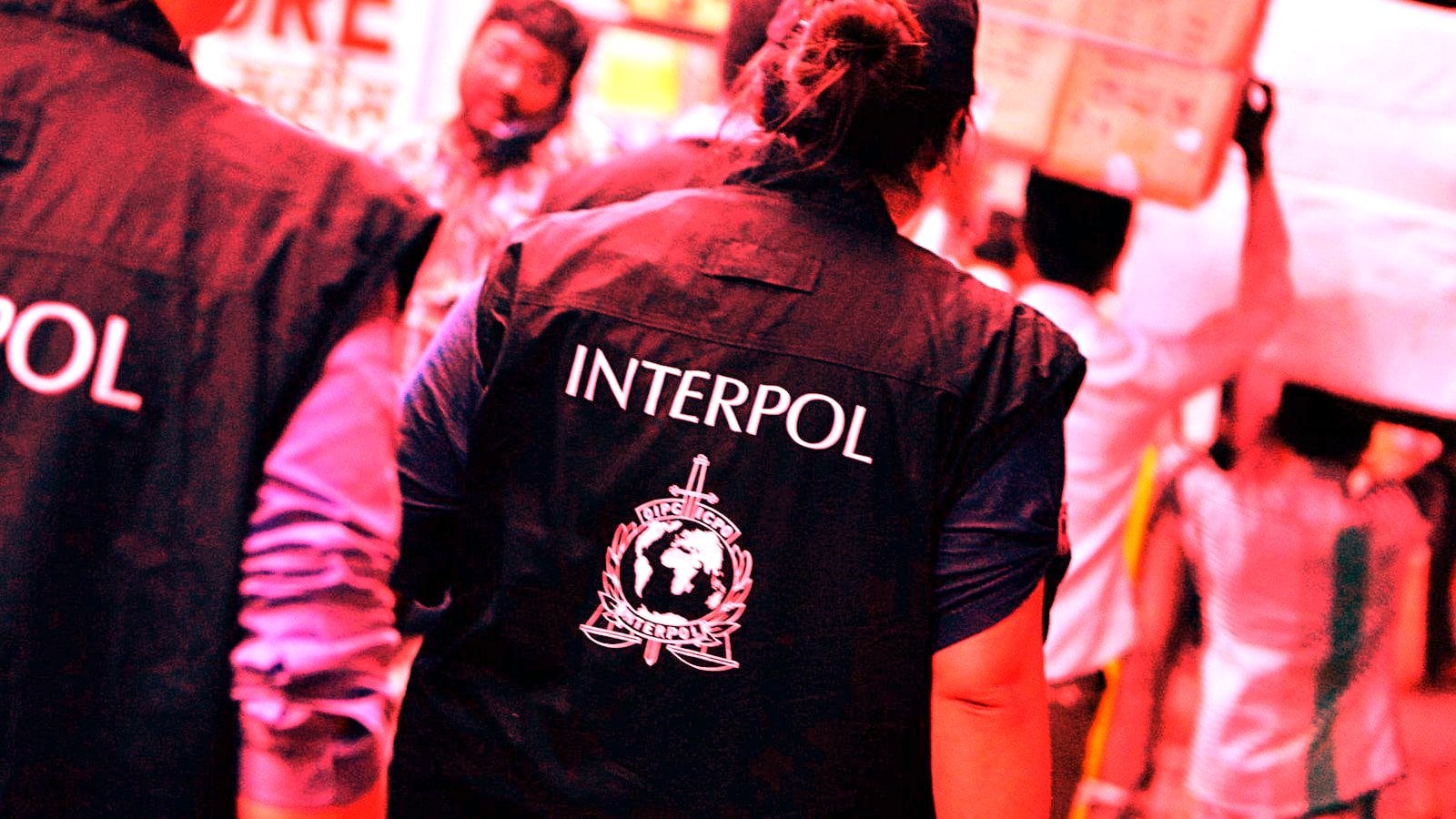
A formidable international law enforcement initiative has culminated in the neutralization of over 45,000 malicious IP addresses and the dismantling of critical server infrastructure, delivering a significant blow to global cybercrime syndicates. This coordinated operation, spearheaded by INTERPOL, underscores the escalating commitment of global authorities to disrupt the intricate web of digital criminality that poses a persistent threat to individuals, corporations, and national security worldwide. The scale of this intervention highlights an evolving strategy in cyber defense, moving beyond individual arrests to comprehensive infrastructure degradation.
Dubbed "Operation Synergia III," this extensive campaign spanned a six-month period from July 2025 to January 2026, mobilizing law enforcement agencies from an unprecedented 72 countries. The operational achievements include the seizure of 212 electronic devices and servers directly implicated in illicit activities, alongside the apprehension of 94 individuals suspected of orchestrating or participating in various cybercriminal enterprises. Furthermore, investigations into an additional 110 suspects remain active, signaling an ongoing pursuit of justice and a determination to dismantle these networks at every level. The operation represents a critical phase in a multi-year effort to systematically dismantle the digital infrastructure underpinning sophisticated criminal operations.
The core tactic employed in Operation Synergia III involved the strategic "sinkholing" of malicious IP addresses. This advanced technical maneuver diverts traffic from compromised systems and criminal command-and-control (C2) servers to controlled servers operated by law enforcement. By rerouting this traffic, authorities effectively render the criminal infrastructure inoperable, preventing data exfiltration, malware dissemination, and the execution of further attacks. This proactive disruption not only halts ongoing criminal activities but also provides invaluable intelligence on the scope and methods of the threat actors, allowing for more targeted future interventions. The sheer volume of IP addresses neutralized in this operation signifies a profound impact on the operational capacity of numerous cybercriminal groups.
Geographic diversity characterized the scope of the arrests and disruptions, reflecting the borderless nature of cybercrime. In Togo, a concentrated effort led to the arrest of ten suspects operating a sophisticated fraud ring from a residential area. This group exhibited a bipartite structure: some members specialized in highly technical crimes, such as the unauthorized access and manipulation of social media accounts, while others engaged in elaborate social engineering schemes. These included emotionally manipulative romance scams, designed to defraud victims of significant sums, and sextortion rackets, where intimate images or videos were used to coerce victims into financial payments, causing severe psychological distress and financial ruin.
Similarly impactful actions were undertaken in Bangladesh, where law enforcement successfully apprehended 40 suspects and confiscated 134 electronic devices directly linked to a broad spectrum of cybercrime schemes. The criminal activities uncovered ranged from deceptive loan and job scams, which prey on individuals seeking financial assistance or employment, to sophisticated identity theft and credit card fraud. These operations often involve the compromise of personal identifiable information (PII) and financial credentials, leading to significant monetary losses for victims and widespread erosion of trust in digital transactions. The volume of seized devices underscores the technical reliance of these criminal enterprises.
A particularly significant development emerged from Macau, China, where investigators meticulously identified over 33,000 distinct phishing and fraudulent websites. These malicious platforms were meticulously designed to mimic legitimate online entities, including prominent casinos, established financial institutions, government portals, and widely used payment service providers. The primary objective of these deceptive sites was to harvest sensitive user data, such as credit card details and personal identifying information, through illicit means. The sheer number of identified sites underscores the pervasive threat of phishing and the constant need for user vigilance and robust cybersecurity measures.
Operation Synergia III is the latest iteration in a series of highly successful coordinated global efforts. It builds upon the foundations laid by its predecessors, "Operation Synergia II" and "Operation Synergia I." Operation Synergia II, conducted between April and August 2024, resulted in the apprehension of 41 suspects and the seizure of 1,037 servers and other critical cybercrime infrastructure operating from 22,000 IP addresses. This earlier phase demonstrated the effectiveness of targeted infrastructure disruption. The inaugural "Operation Synergia" further contributed to these efforts by identifying an additional 70 cybercrime suspects and neutralizing 1,300 command-and-control servers that were instrumental in facilitating ransomware attacks, phishing campaigns, and various malware distributions. The progression through these operations illustrates an escalating capability and a sustained, multi-pronged attack on the global cybercriminal ecosystem.
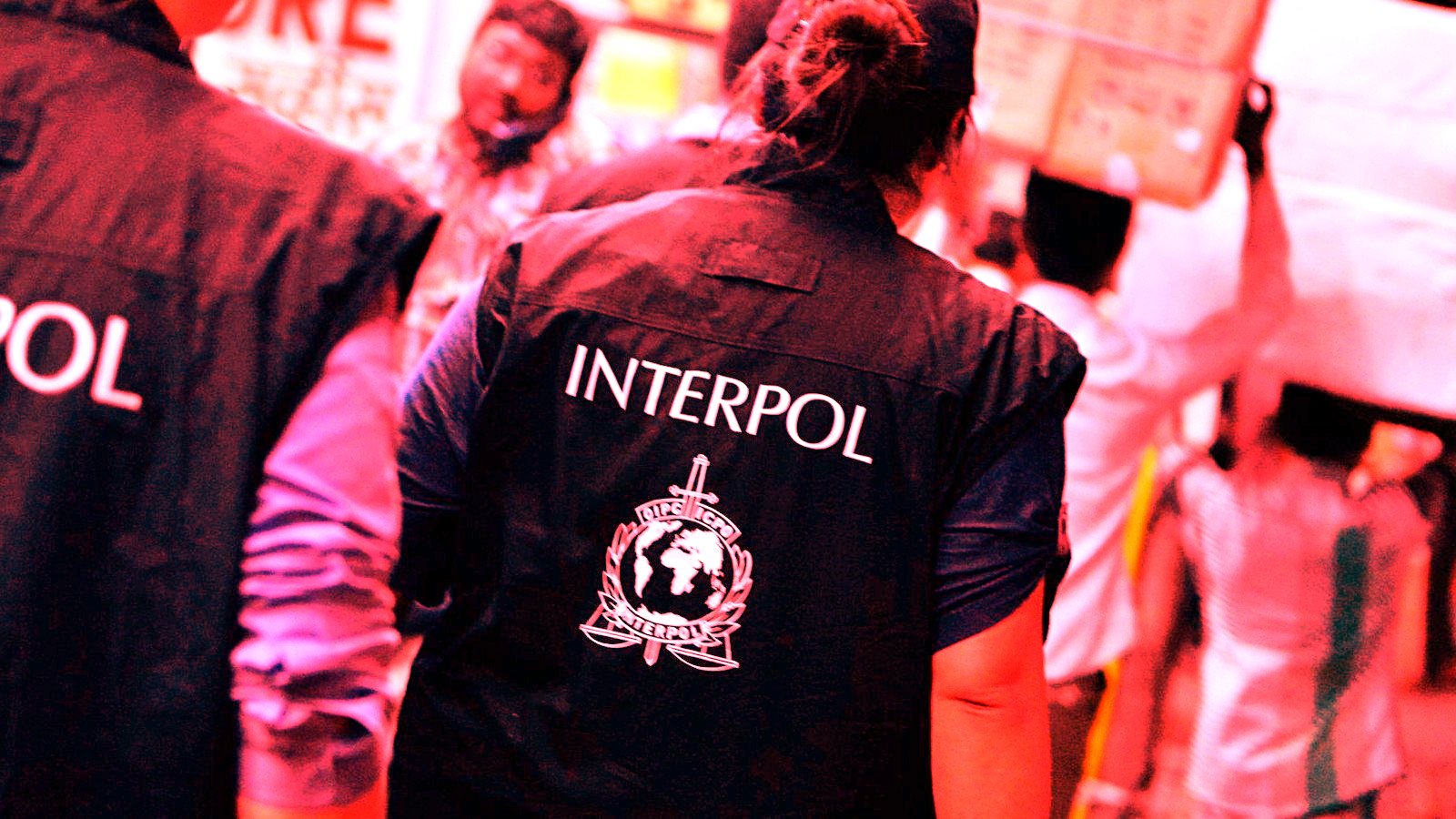
Beyond the Synergia series, INTERPOL has been instrumental in coordinating other regional crackdowns. Most recently, between December 8 and January 30, police forces across 16 African nations participated in "Operation Red Card 2.0," another INTERPOL-coordinated joint action. This operation led to the arrest of 651 suspects and the recovery of over $4.3 million in illicit funds, demonstrating a concerted effort to combat cybercrime on the African continent. This follows previous significant initiatives such as "Operation Serengeti" and "Operation Africa Cyber Surge," which have collectively resulted in thousands of arrests and the substantial disruption or complete dismantling of numerous multi-million-dollar cybercriminal operations targeting African citizens and businesses. These regional successes underscore a growing global capacity and commitment to address localized cyber threats that often have international ramifications.
Neal Jetton, INTERPOL’s Director of the Cybercrime Directorate, provided insightful commentary on the current landscape, stating, "Cybercrime in 2026 is more sophisticated and destructive than ever before, but Operation Synergia III stands as a powerful testament to what global cooperation can achieve." This statement encapsulates the critical nature of the threat and the indispensable role of international collaboration. The evolving sophistication of cyber threats, including the potential integration of artificial intelligence into attack methodologies and the increasing use of advanced evasion techniques, demands a unified and adaptive response from law enforcement agencies worldwide. The ability of criminals to operate across borders with relative anonymity necessitates a counter-strategy that transcends traditional jurisdictional limitations.
Mr. Jetton further elaborated on INTERPOL’s enduring commitment: "INTERPOL remains at the forefront of this fight, uniting law enforcement agencies and private sector experts to dismantle criminal networks, disrupt emerging threats and protect victims around the world." This highlights the multi-faceted approach required, which not only involves direct law enforcement action but also crucial partnerships with the private sector. Cybersecurity firms, technology companies, and internet service providers often possess critical intelligence and technical capabilities that are vital for identifying, tracking, and disrupting cybercriminal operations. The fusion of public and private sector expertise creates a more robust defense mechanism against ever-evolving threats.
The impact of operations like Synergia III extends far beyond the immediate arrests and seizures. By dismantling infrastructure, these actions significantly increase the operational costs and risks for cybercriminals. The loss of C2 servers, botnet infrastructure, and phishing domains forces criminals to invest time and resources in rebuilding their networks, thereby slowing down their activities and reducing their profitability. This disruption also erodes trust within criminal networks, making it harder for syndicates to coordinate and execute large-scale attacks. Moreover, the public awareness generated by such high-profile operations can contribute to enhanced cybersecurity vigilance among the general population and organizations.
Looking ahead, the battle against cybercrime remains a continuous and dynamic challenge. While Operation Synergia III represents a monumental success, cybercriminals are constantly adapting their tactics, exploiting new technologies, and seeking vulnerabilities. The emergence of quantum computing, advancements in anonymous communication technologies, and the ever-expanding surface area of the Internet of Things (IoT) present new frontiers for exploitation. Therefore, the imperative for law enforcement agencies is to maintain and enhance their capabilities through continuous training, technological innovation, and even deeper international collaboration. The focus must remain on proactive intelligence gathering, rapid response mechanisms, and the development of resilient digital ecosystems.
In conclusion, Operation Synergia III stands as a landmark achievement in the global fight against cybercrime. Its success in neutralizing a vast number of malicious IP addresses and disrupting extensive criminal infrastructure demonstrates the unparalleled effectiveness of coordinated international action. As digital threats continue to evolve in complexity and scale, such collaborative efforts, championed by organizations like INTERPOL, will remain indispensable in safeguarding the digital landscape and protecting the security and privacy of individuals and institutions across the globe. The commitment to persistent vigilance and a unified defense against cyber adversaries will be paramount in shaping a more secure digital future.




 Ridwan Kamil
 Aura Kasih
 Lisa Mariana
 Ayu Aulia