Ridwan Kamil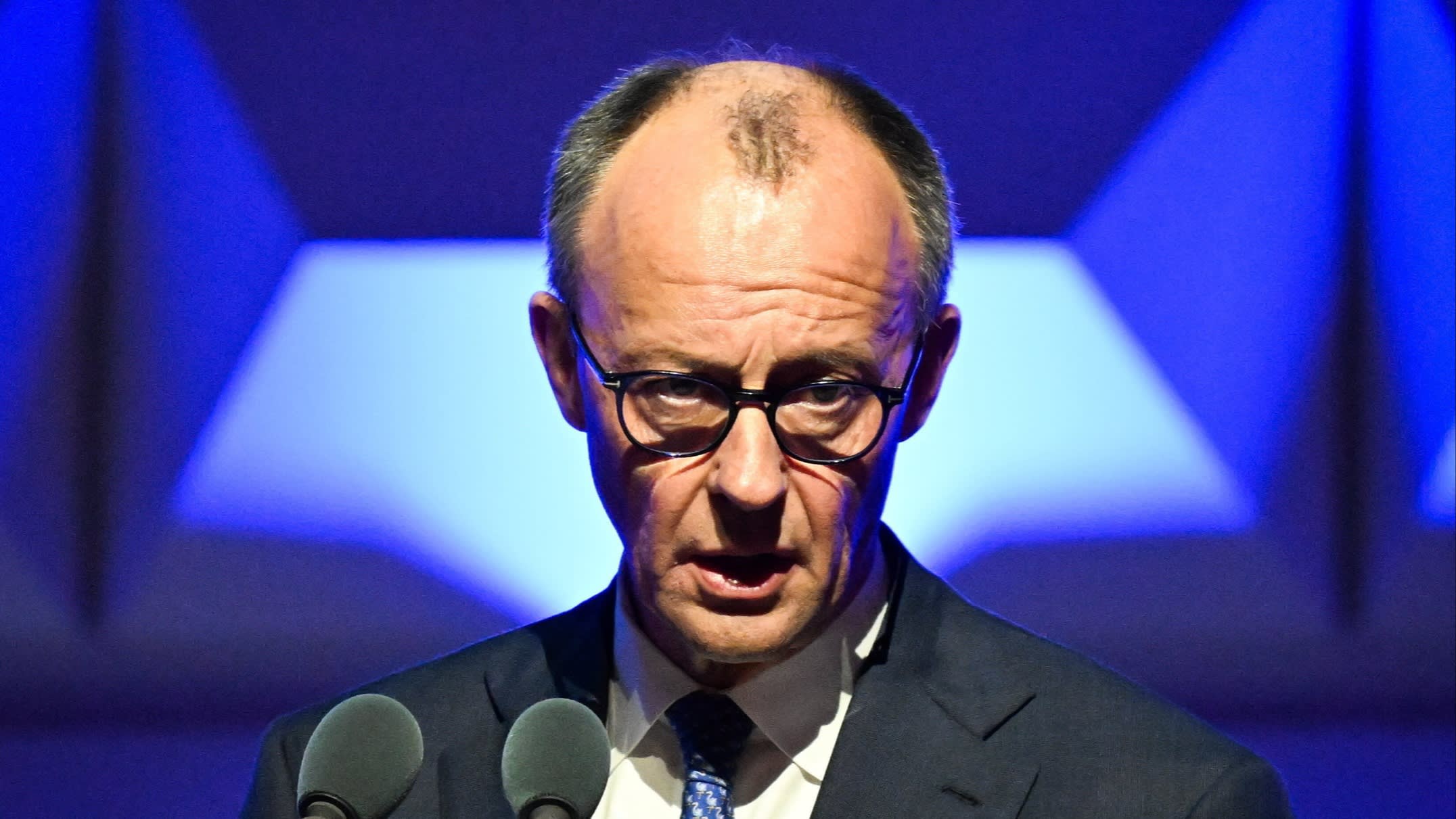
Friedrich Merz, the leader of Germany’s opposition Christian Democratic Union (CDU), has publicly voiced strong disapproval of a recent decision by the United States to ease certain sanctions on Russian oil exports, a move he characterized as fundamentally misguided and counterproductive, particularly in the current volatile geopolitical climate shaped by ongoing conflict in the Middle East.
The German political landscape, often a bellwether for broader European sentiment, is currently grappling with the complex interplay of international sanctions, energy security, and the ramifications of protracted conflicts in critical global regions. Merz’s sharp rebuke of the U.S. administration’s policy adjustment signals a significant divergence in strategic thinking between key transatlantic allies and underscores the multifaceted challenges confronting Western nations as they navigate a precarious global order. This critique is not merely a partisan statement; it reflects a deeper concern within significant segments of the German and European political establishment regarding the potential for such policy shifts to undermine unified pressure on Russia and inadvertently bolster its economic resilience.
The decision by the U.S. to relax some restrictions on Russian oil, while ostensibly aimed at specific humanitarian or economic considerations, has been met with considerable skepticism. Merz’s assessment highlights the perception that such actions could be misconstrued by Moscow as a sign of wavering Western resolve. In an era where energy flows are intrinsically linked to geopolitical leverage, any perceived weakening of sanctions can have far-reaching implications, potentially emboldening Russia to sustain its current strategic objectives and prolonging regional instability. This German opposition leader’s stance suggests a prevailing view that a steadfast and unified approach to sanctions is paramount in deterring aggression and promoting a durable peace, particularly when juxtaposed with the escalating tensions and humanitarian crises unfolding in the Middle East.
Background and Geopolitical Context
The imposition of comprehensive sanctions on Russia followed its full-scale invasion of Ukraine in February 2022. These measures, designed to cripple Russia’s economy and curtail its ability to finance its military operations, encompassed a wide array of sectors, including finance, technology, and crucially, energy. The European Union, heavily reliant on Russian gas and oil, implemented a phased embargo and price cap mechanisms, albeit with varying degrees of effectiveness and regional adaptation. Germany, in particular, underwent a seismic shift in its energy policy, rapidly diversifying away from its long-standing dependence on Russian fossil fuels, a process that entailed significant economic adjustments and strategic reorientation.
The international community’s efforts to isolate Russia have been a cornerstone of the Western response to the conflict. The United States, as a leading global economic power, has played a pivotal role in coordinating these sanctions regimes. However, the dynamic nature of international relations and the evolving economic realities necessitate continuous reassessment and adaptation of these measures. The recent U.S. decision to ease certain oil sanctions, details of which remain subject to scrutiny, appears to have been triggered by factors such as concerns over global energy market stability, the potential impact on developing economies, or specific diplomatic considerations.
Simultaneously, the Middle East is experiencing a period of intense geopolitical turbulence. The ongoing conflict in Gaza, stemming from the Hamas attacks on Israel and Israel’s subsequent military response, has led to a severe humanitarian crisis, regional instability, and heightened tensions between various state and non-state actors. This complex web of conflicts, while geographically distinct, is not isolated. Global energy markets, international diplomatic alignments, and the broader perception of Western unity and resolve are all influenced by these interconnected crises.
Merz’s Critique: Strategic Implications and Economic Considerations
Friedrich Merz’s criticism of the U.S. policy shift is rooted in a strategic calculus that emphasizes the importance of unwavering pressure on Russia. From his perspective, any relaxation of sanctions, regardless of its intended scope or justification, risks sending a signal of compromise that could undermine the collective leverage the West has sought to build. This perspective is amplified by the fact that Russia continues to engage in military actions in Ukraine, and its economic capacity, bolstered by energy revenues, is seen as directly fueling this conflict.
The economic implications of easing sanctions on Russian oil are multifaceted. Proponents might argue that such a move could help stabilize global energy prices, which have experienced significant volatility. This could, in turn, alleviate inflationary pressures and provide relief to consumers and businesses worldwide, particularly in countries that are net energy importers. Furthermore, ensuring a steady supply of oil to the global market is often cited as crucial for preventing broader economic shocks that could destabilize developing economies.
However, Merz and his political allies likely view these potential benefits through a lens of opportunity cost. They would argue that any short-term economic relief gained by facilitating Russian oil exports comes at the expense of long-term strategic objectives. The revenue generated from these sales, even at a capped price, still flows to the Russian state, providing it with the financial means to sustain its military apparatus and its geopolitical ambitions. Moreover, such a move could be perceived by Russia as a vindication of its strategy, potentially encouraging a more aggressive stance in both Ukraine and other spheres of influence.
The German opposition leader’s commentary also highlights a potential divergence in how transatlantic partners perceive the effectiveness and appropriateness of sanctions as a foreign policy tool. While the U.S. may be weighing a broader range of economic and diplomatic factors, the German political establishment, having borne significant economic costs in its energy transition and feeling the direct impact of Russian aggression on its doorstep, might prioritize a more stringent and unwavering application of sanctions. This difference in emphasis could strain diplomatic relations and complicate efforts to present a united front on critical international issues.
The Middle East Dimension: A Complex Interplay
The timing of Merz’s remarks, coinciding with the escalating crisis in the Middle East, is significant. The conflict in Gaza and its regional repercussions have introduced a new layer of complexity to the global geopolitical landscape. The war has exacerbated existing divisions, strained international alliances, and created new humanitarian challenges. In this context, any perceived wavering of Western resolve on one front could embolden adversaries on others, or create openings for destabilizing actors.
The conflict in the Middle East also has indirect implications for global energy markets. While the immediate impact on oil supply has been less severe than initially feared, heightened geopolitical risk can contribute to price volatility. Russia, as a major energy producer, has a vested interest in global energy market dynamics. Any policy adjustments that affect the flow of Russian oil can, therefore, have ripple effects that indirectly influence the economic calculus of other regions and the ability of nations to respond to crises, including humanitarian emergencies.
Merz’s critique implicitly suggests that a strong and unified Western stance is crucial not only in addressing the conflict in Ukraine but also in projecting stability and deterring further aggression in other volatile regions, such as the Middle East. A perception of disunity or inconsistent policy on the part of key Western powers could embolden those seeking to challenge the existing international order. This underscores the interconnectedness of global security, where actions and policy shifts in one theater can have unforeseen consequences in others.
Broader Implications for European Energy Security and Foreign Policy
The German opposition leader’s stance also raises broader questions about Europe’s long-term energy security and its approach to foreign policy. Germany’s rapid pivot away from Russian energy, while necessary, has underscored the vulnerabilities inherent in over-reliance on any single supplier. The debate over easing sanctions on Russian oil touches upon the delicate balance between immediate energy needs and the strategic imperative of reducing dependence on adversarial states.
From a European perspective, a consistent and coordinated approach to sanctions is vital for maintaining leverage and achieving policy objectives. Divergent policies among key allies can weaken the overall impact of these measures and create opportunities for adversaries to exploit these differences. Merz’s criticism suggests a concern that the U.S. decision might inadvertently create such divergences, potentially impacting the effectiveness of European efforts to secure its own energy future and to exert influence on the international stage.
Furthermore, the situation highlights the ongoing debate within Europe regarding the optimal use of economic tools in foreign policy. While sanctions are a powerful instrument, their implementation requires careful consideration of their economic impact, their effectiveness in achieving desired outcomes, and their potential to create unintended consequences. Merz’s remarks reflect a viewpoint that prioritizes the long-term strategic goals of isolating Russia and supporting Ukraine, even if it entails short-term economic sacrifices.
Future Outlook and Potential Scenarios
The political fallout from the U.S. decision to ease certain Russian oil sanctions is likely to be significant. Friedrich Merz’s vocal criticism signals a potential point of contention in transatlantic relations, particularly within the context of ongoing geopolitical crises. It is plausible that other European leaders and political factions will echo similar sentiments, emphasizing the need for a unified and robust sanctions regime.
The coming months will likely see continued debate and diplomatic engagement between the U.S. and its European allies regarding the efficacy and application of sanctions. The evolving dynamics of the conflicts in Ukraine and the Middle East will undoubtedly influence these discussions, as will global energy market trends.
Several scenarios could unfold:
- Reinforced Sanctions Coordination: Diplomatic efforts could lead to a recalibration of the U.S. policy, or a clearer articulation of its objectives, aimed at assuaging European concerns and reaffirming a unified approach to sanctions against Russia. This would involve enhanced coordination and a commitment to maintaining maximum pressure.
- Divergent Approaches: Alternatively, the differing strategic priorities and economic considerations of transatlantic partners could lead to a more pronounced divergence in sanctions policies. This could weaken the collective impact of these measures and create opportunities for Russia to exploit these divisions.
- Focus on Alternative Energy Sources: The ongoing debate could spur greater investment and accelerated efforts within Europe to further diversify its energy sources and enhance its energy independence, thereby reducing its vulnerability to external geopolitical pressures.
- Impact on Regional Conflicts: The perception of Western unity, or lack thereof, could have indirect consequences for ongoing conflicts in regions like the Middle East, potentially influencing the calculations of various actors involved.
Ultimately, the strategic landscape is fluid, and the decisions made by major global powers regarding sanctions and international engagement will have profound implications for global stability, economic prosperity, and the future of international relations. Friedrich Merz’s critique serves as a salient reminder of the complex considerations and differing perspectives that shape these critical policy choices.


 Safa Marwah
 Aura Kasih
 Lisa Mariana