
 Ridwan Kamil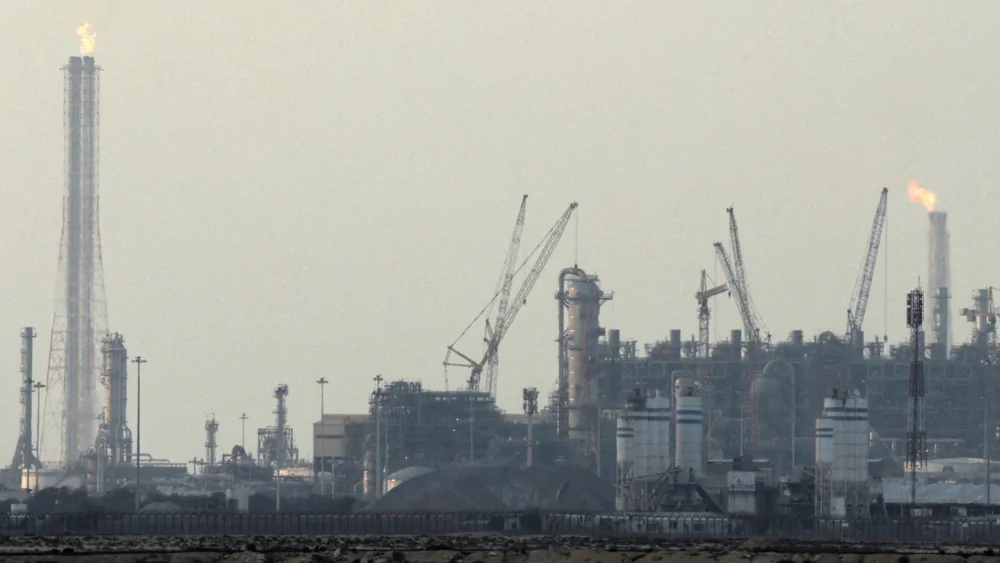
A palpable sense of unease has gripped international financial markets, triggering a significant downturn across both equity and fixed-income sectors as escalating tensions in the Middle East cast a long shadow of uncertainty. The broadening conflict, which has witnessed a dangerous spillover effect beyond its initial confines, has ignited fears of a wider regional conflagration, prompting investors to reassess risk exposures and seek refuge in safer assets. This heightened geopolitical instability has directly translated into a sharp decline in stock valuations and a corresponding surge in bond yields, reflecting a widespread reassessment of global economic prospects.
The recent intensification of hostilities in the Middle East has served as a potent catalyst for the widespread market sell-off. What began as a localized conflict has demonstrably expanded its reach, drawing in a greater number of regional actors and raising the specter of a more protracted and destabilizing engagement. This widening of the conflict zone is a primary driver of investor anxiety, as it significantly increases the potential for disruptions to critical energy supply routes, exacerbates humanitarian crises, and creates a more volatile and unpredictable global security environment. The interconnectedness of the global economy means that such regional instability can have far-reaching consequences, impacting everything from commodity prices to supply chain resilience and ultimately, corporate earnings.
In the equity markets, the impact has been immediate and across-the-board. Major stock indices in the United States, Europe, and Asia have all experienced substantial declines, with technology and growth stocks, often more sensitive to shifts in economic sentiment, bearing a significant brunt. Investors are reacting to the prospect of higher energy costs, which can erode corporate profit margins, and a general slowdown in consumer and business spending due to economic uncertainty. Furthermore, the heightened risk of geopolitical escalation can lead to increased defense spending, which while potentially boosting certain sectors, also represents a diversion of resources from more productive economic activities and can fuel inflationary pressures. The fear of a prolonged period of elevated geopolitical risk is prompting a reassessment of valuations, with many analysts suggesting that current market levels may not fully reflect the potential downside.
The bond markets have also been significantly impacted, though in a more nuanced manner. As equity markets have fallen, there has been a simultaneous increase in demand for perceived safe-haven assets. However, the immediate reaction has also been a surge in bond yields. This seemingly contradictory movement can be explained by several factors. Firstly, the threat of inflation, often a byproduct of supply chain disruptions and increased commodity prices stemming from conflict, can prompt central banks to maintain or even tighten monetary policy, leading to higher interest rates. Secondly, the increased uncertainty can lead to a sell-off in existing bonds as investors demand higher yields to compensate for the elevated risk. For longer-term bonds, the prospect of sustained economic disruption and potential interest rate hikes can also contribute to rising yields. The inversion of yield curves, where short-term yields rise above long-term yields, a traditional harbinger of economic recession, is a growing concern among market participants.
The implications of this widening conflict for the global economy are multifaceted and potentially severe. A sustained period of elevated geopolitical risk can lead to a significant increase in energy prices. The Middle East is a critical hub for global oil and gas production, and any disruption to supply or transit routes, such as the Strait of Hormuz, can have an immediate and dramatic impact on prices. Higher energy costs translate directly into increased transportation and production expenses for businesses, leading to higher prices for consumers and potentially fueling a wage-price spiral. This can exacerbate inflationary pressures, forcing central banks to take more aggressive action to curb price increases, which in turn can slow economic growth.
Beyond energy, the conflict poses a threat to global supply chains. Many industries rely on components and raw materials sourced from the Middle East or transported through the region. Disruptions to these supply lines can lead to shortages, production delays, and increased costs, further contributing to inflation and economic stagnation. The interconnectedness of the global economy means that even localized conflicts can have ripple effects, impacting industries and consumers far removed from the immediate theater of war.
The humanitarian toll of such conflicts is, of course, immeasurable. However, from an economic perspective, large-scale displacement and humanitarian crises can strain international resources, divert aid, and create long-term economic challenges for affected regions and the international community. The political ramifications are also significant, with potential for increased regional instability, the rise of extremist ideologies, and a broader erosion of international cooperation.
The current market reaction reflects a deep-seated concern about the trajectory of the conflict. Investors are grappling with a scenario where the conflict could persist for an extended period, leading to sustained economic headwinds. The lack of a clear and immediate path to de-escalation is a significant factor contributing to the market’s volatility and risk aversion. The economic policies of major global powers, particularly in response to inflation and potential recessionary pressures, will be closely scrutinized in the coming weeks and months.
Looking ahead, the outlook for global markets remains highly uncertain and contingent on the evolving geopolitical landscape. The duration and intensity of the Middle East conflict will be the dominant driver of market sentiment. A swift de-escalation and a return to diplomatic solutions would likely provide a significant tailwind for markets, allowing for a reassessment of economic prospects and a potential rebound in asset prices. Conversely, a further broadening of the conflict, or a prolonged period of heightened tensions, could lead to a more sustained period of market turbulence, increased inflation, and a significant slowdown in global economic growth.
Furthermore, the response of central banks to the unfolding economic conditions will be critical. If inflation proves persistent, policymakers may be forced to prioritize price stability over economic growth, potentially leading to higher interest rates for longer. This would have significant implications for corporate borrowing costs, investment decisions, and consumer spending.
The current market downturn underscores the inherent fragility of the global economic system in the face of geopolitical shocks. Investors are now faced with the challenge of navigating a landscape marked by increased uncertainty, higher potential costs, and a more complex risk environment. The ability of governments and international institutions to manage these challenges will be crucial in determining the long-term impact on global markets and the broader economy. The coming weeks will undoubtedly be characterized by continued market volatility as investors seek clarity amidst the deepening geopolitical storm.




 Aura Kasih
 Safa Marwah

 Lisa Mariana