Ridwan Kamil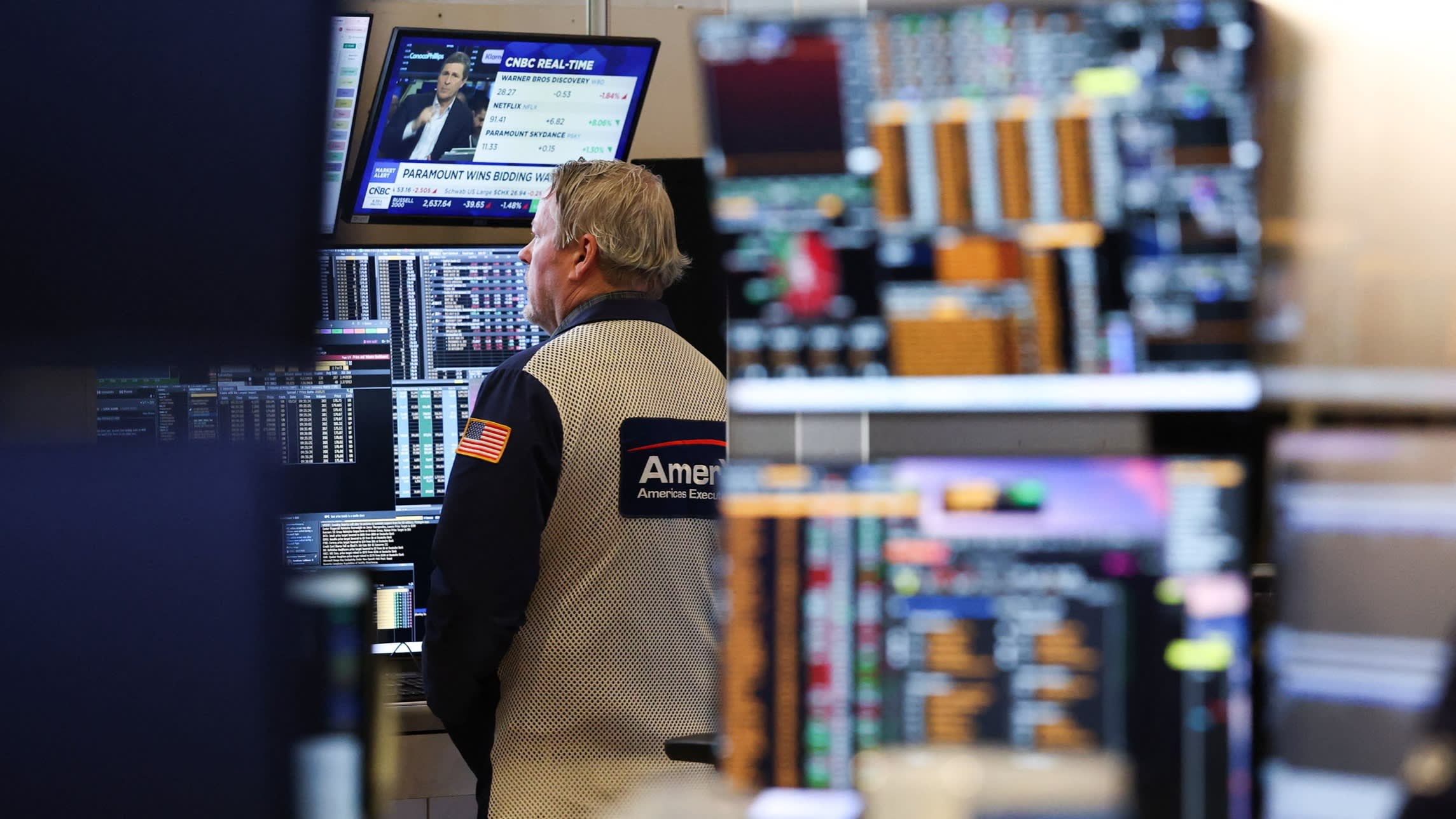
In an era marked by escalating international tensions, particularly the volatile situation surrounding Iran, global investors are strategically reallocating their assets, seeking refuge in the perceived stability and growth potential of the United States’ technology sector.
The recent escalation of geopolitical risks, primarily stemming from the increasingly unpredictable dynamics in the Middle East and the potential for wider regional conflict, has cast a long shadow over traditional investment havens. As borders become more permeable to conflict and economic sanctions tighten their grip on vulnerable economies, capital is demonstrating a pronounced flight to quality. This trend is manifesting as a significant influx of investment into the U.S. technology landscape, a sector that has historically proven its capacity to weather economic storms and emerge with enhanced resilience. The perceived safety and robust performance of leading American tech companies are attracting substantial inflows, as investors prioritize sectors with strong innovation pipelines, established market dominance, and a demonstrated ability to generate consistent returns, even amidst global uncertainty.
The Nexus of Conflict and Capital Flight
The current geopolitical climate, characterized by heightened rhetoric and the tangible threat of military engagement in the Middle East, is creating a palpable sense of unease across global financial markets. The Strait of Hormuz, a critical chokepoint for a significant portion of the world’s oil supply, has become a focal point of concern, with any disruption to shipping lanes having immediate and far-reaching economic consequences. This instability directly impacts energy prices, a fundamental driver of global inflation, and creates ripple effects across supply chains and consumer spending.
In such an environment, investors are naturally inclined to de-risk their portfolios. Traditional safe-haven assets, such as gold and certain government bonds, are experiencing renewed interest. However, the allure of tangible, forward-looking growth opportunities, particularly those with a global reach and a capacity for innovation, is drawing significant attention towards specific segments of the equity market. The U.S. technology sector, with its deeply entrenched players and continuous stream of disruptive innovations, stands out as a primary beneficiary of this capital reallocation.
U.S. Tech: A Haven of Innovation and Enduring Demand
The appeal of U.S. technology stocks is multifaceted. Firstly, these companies operate within a vast and dynamic domestic market, providing a buffer against some of the immediate global economic slowdowns. Secondly, many of these tech giants possess global market share, allowing them to diversify their revenue streams and mitigate country-specific risks. Their products and services, ranging from cloud computing and artificial intelligence to digital advertising and e-commerce, are often considered essential rather than discretionary, ensuring a degree of sustained demand even in challenging economic conditions.
Furthermore, the U.S. regulatory environment, while not without its complexities, is generally perceived as more stable and predictable than in many other regions. This predictability is crucial for long-term investment decisions. The robust ecosystem of venture capital, research and development funding, and a highly skilled workforce further solidifies the U.S. tech sector’s position as a global leader.
Companies that are at the forefront of artificial intelligence (AI), cloud infrastructure, cybersecurity, and advanced semiconductor manufacturing are particularly attractive. These are not merely trends but fundamental shifts in how businesses operate and consumers interact with technology. The ongoing digital transformation across all industries necessitates continued investment in these areas, creating a powerful tailwind for the leading companies.
Examining the Drivers of Investment Attraction
Several key factors are contributing to the surge of investment in U.S. tech stocks amidst the geopolitical unease:
- Resilience of Digital Infrastructure: The COVID-19 pandemic underscored the indispensable nature of digital infrastructure. Cloud computing providers, cybersecurity firms, and companies enabling remote work and communication have demonstrated remarkable resilience and growth. As geopolitical tensions increase, the reliance on robust and secure digital networks only intensifies.
- AI as a Growth Engine: The rapid advancements and widespread adoption of artificial intelligence are creating new paradigms for efficiency and innovation. Companies leading in AI research, development, and application are poised for significant growth, attracting substantial investment as the market recognizes the long-term economic implications of this transformative technology.
- Diversification of Revenue Streams: Major U.S. tech companies are not reliant on any single market. Their global presence allows them to offset regional economic downturns or political instability with growth in other territories. This inherent diversification provides a layer of security for investors.
- Strong Balance Sheets and Cash Flow: Many of the established tech giants boast exceptionally strong balance sheets, with significant cash reserves and consistent free cash flow generation. This financial strength enables them to weather economic downturns, continue investing in research and development, and pursue strategic acquisitions without significant reliance on external financing.
- Innovation Pipeline: The technology sector is characterized by a relentless pace of innovation. Companies with a proven track record of bringing new products and services to market, and those with a clear vision for future technological advancements, are highly valued by investors seeking long-term growth potential.
- "Flight to Quality" in Equities: In times of heightened uncertainty, investors tend to gravitate towards companies with strong brand recognition, dominant market positions, and a history of reliable performance. The leading U.S. tech companies fit this description perfectly, offering a perceived "flight to quality" within the equity markets.
Sector-Specific Opportunities and Emerging Trends
Within the broader U.S. tech landscape, certain sub-sectors are garnering particular attention:
- Semiconductors: The foundation of all modern technology, the semiconductor industry is experiencing a renaissance driven by demand from AI, automotive, and advanced computing. Companies involved in chip design, manufacturing, and equipment are crucial to this ecosystem.
- Cloud Computing: The ongoing migration of businesses to cloud-based infrastructure continues to fuel growth for major cloud providers. The scalability, flexibility, and cost-efficiency offered by cloud services make them indispensable for modern enterprises.
- Cybersecurity: As digital threats become more sophisticated and geopolitical tensions rise, the demand for robust cybersecurity solutions is escalating. Companies offering protection against data breaches, ransomware, and other cyber-attacks are in high demand.
- Artificial Intelligence and Machine Learning: Investments are pouring into companies developing AI algorithms, AI-powered applications, and the infrastructure required to support these technologies. This includes companies focused on AI research, data analytics, and specialized AI hardware.
- Software-as-a-Service (SaaS): The subscription-based model of SaaS offers predictable revenue streams and high margins, making these companies attractive in any economic climate. The continued digitalization of business processes ensures sustained demand for innovative SaaS solutions.
Implications for Global Investment Strategies
The current investment dynamic suggests a recalibration of global portfolios. Investors who have historically diversified across emerging markets or regions more directly exposed to geopolitical flashpoints may be reassessing their allocations. The emphasis is shifting towards markets and sectors that offer greater insulation from immediate conflict and greater potential for sustained, innovation-driven growth.
This trend could have several implications:
- Increased Volatility in Emerging Markets: Regions with higher exposure to geopolitical instability might experience increased market volatility and capital outflows, making them less attractive for risk-averse investors.
- Strengthened U.S. Dollar: A global flight to safety often bolsters the U.S. dollar, which can further enhance the returns for foreign investors holding U.S. dollar-denominated assets.
- Focus on Long-Term Value: While short-term market movements can be driven by fear, the underlying appeal of U.S. tech stocks lies in their long-term growth prospects. Investors are likely looking beyond immediate geopolitical headlines to the enduring power of technological advancement.
- Potential for Increased Regulatory Scrutiny: As U.S. tech giants become even more dominant and attract greater investment, they may face increased scrutiny from regulators, particularly concerning antitrust issues and data privacy. However, this is a known factor that the market has largely priced in.
Future Outlook: Navigating Uncertainty with Technological Fortitude
The geopolitical landscape remains fluid, and the potential for further escalation or de-escalation of tensions is ever-present. However, the underlying drivers of investment in U.S. technology are not solely contingent on immediate geopolitical events. The secular trends of digitalization, automation, and AI adoption are powerful forces that will continue to shape the global economy for years to come.
Investors seeking to navigate this period of uncertainty are likely to continue favoring sectors and companies that demonstrate robust fundamentals, a strong capacity for innovation, and a track record of resilience. The U.S. technology sector, with its established leadership, vast market, and continuous stream of transformative advancements, is well-positioned to remain a primary destination for capital seeking both safety and significant long-term growth potential. The current geopolitical climate, rather than fundamentally altering the trajectory of technological progress, appears to be accelerating the investor recognition of its enduring value and defensive qualities.




 Ayu Aulia
 Safa Marwah
 Aura Kasih
 Lisa Mariana