Lisa Mariana
Kyiv faces an acute and growing shortfall in crucial missile defense systems and ammunition, a precarious situation exacerbated by the intensifying conflict in the Middle East, according to Ukrainian President Volodymyr Zelensky, who warns that the diversion of Western military resources risks undermining Ukraine’s defensive capabilities and strategically benefiting Russia. In an exclusive interview, President Zelensky articulated profound concerns that the prolonged regional instability is not only siphoning vital military aid away from Ukraine but also creating a strategic advantage for Moscow, which actively seeks to prolong global conflicts to exhaust Western support for Kyiv.
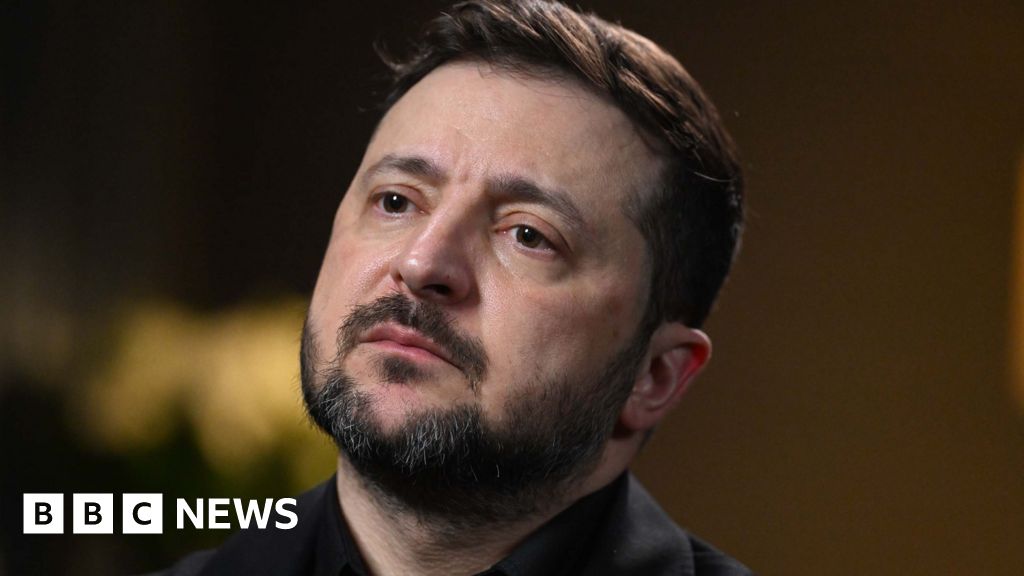
President Zelensky underscored the immediate and severe impact of the Middle Eastern crisis on Ukraine’s military supply chain, particularly regarding sophisticated air defense systems. He specifically cited the Patriot missile system, a cornerstone of Ukraine’s air defense against relentless Russian aerial assaults. The demand surge from new theaters of conflict means that the limited global production capacity for such advanced weaponry is now stretched thin, leading to inevitable delays and potential reductions in shipments to Ukraine. Zelensky highlighted a stark disparity in production versus consumption: the United States, a primary manufacturer, produces approximately 60-65 Patriot missiles monthly, totaling around 700-800 annually. In sharp contrast, a single day of intense conflict in the Middle East reportedly saw the expenditure of over 800 missiles, illustrating the unsustainable rate of consumption relative to current manufacturing capabilities. This imbalance presents a critical challenge for Kyiv, which relies heavily on these systems to protect its cities and critical infrastructure.
The Ukrainian leader expressed a "very bad feeling" regarding the broader geopolitical repercussions, noting that efforts towards peace negotiations for Ukraine are being "constantly postponed" due to the focus shifting to the Middle East. This diversion of diplomatic attention and resources plays directly into the hands of Russian President Vladimir Putin, who, according to Zelensky, actively desires a "long war" involving the U.S., Israel, and Iran. Such protracted conflicts serve several strategic objectives for Moscow: firstly, they divert significant American military and financial resources, thereby weakening Washington’s capacity to support Kyiv robustly. Secondly, heightened regional tensions tend to drive up global energy prices, which, despite international sanctions, continues to bolster Russia’s war economy through increased revenue from oil and gas exports. Lastly, and perhaps most critically for Ukraine, the escalating demand for air defense systems and other munitions in the Middle East leads to a "depletion of US reserves" and strains the capacity of defense manufacturers, directly impacting Ukraine’s access to essential military aid.

Beyond the immediate material concerns, President Zelensky also addressed the delicate political landscape among Ukraine’s Western allies, specifically commenting on the stance of former U.S. President Donald Trump and his potential influence on future support. Zelensky indicated that Trump views himself as a potential "negotiator" rather than an aligned party in the Russia-Ukraine conflict, suggesting a strategy focused on not "irritating" Putin. This approach, perceived by some as potentially conciliatory towards Moscow, raises significant concerns in Kyiv about the steadfastness of future American commitment, particularly in the event of a change in U.S. leadership. The implication is that a desire to avoid antagonizing Russia could lead to a reduction in crucial military and financial aid, leaving Ukraine in an even more vulnerable position.
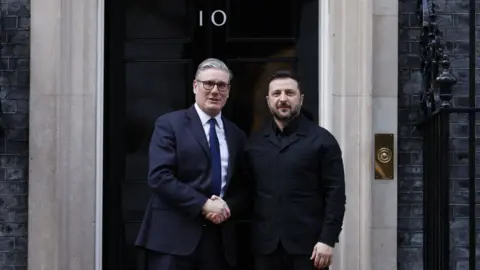
Zelensky’s diplomatic efforts during his recent tour of European capitals, including Paris, London, and Madrid, underscored his urgent plea for sustained Western unity and military assistance. During his visit to London, following talks with Sir Keir Starmer, the Ukrainian President made an unusual public appeal for Trump and Starmer to meet and "re-load the relationship," advocating for them to establish a "common position." This appeal came amidst a visible diplomatic friction, with Trump having publicly criticized Starmer, labeling him "no Winston Churchill" and expressing disappointment. Zelensky’s intervention highlights the critical importance of strong, unified leadership among Ukraine’s international partners. Any perceived disunity or ideological divergence among key allies risks being exploited by Russia, potentially fragmenting the international coalition that has been vital to Ukraine’s resistance. Sir Keir Starmer, while reiterating the "enduring" US-UK relationship, firmly stated the UK’s resolve not to be drawn into a wider conflict, emphasizing that the "focus must remain on Ukraine."
Addressing British Members of Parliament, Zelensky powerfully articulated the shared threat posed by authoritarian regimes, stating, "The regimes in Russia and Iran are brothers in hatred and that is why they are brothers in weapons." This declaration highlights the emerging axis of revisionist powers, united by a disdain for democratic norms and international law, and their collaborative efforts to undermine global stability. The military cooperation between Russia and Iran, particularly Moscow’s reliance on Iranian drones and potentially missiles, underscores the interconnected nature of these conflicts and the need for a coordinated Western response. Zelensky further emphasized that Ukraine, by necessity, has become a pioneer in modern warfare, developing new techniques and strategies that could be invaluable to its allies in defending against similar threats.
The current geopolitical environment presents a formidable challenge for Ukraine and its Western backers. The unfolding crisis in the Middle East is creating a complex multi-front dilemma, forcing difficult choices about resource allocation and strategic priorities. For Western nations, maintaining robust support for Ukraine while simultaneously addressing the burgeoning instability in the Middle East will test the limits of their defense industrial bases, diplomatic capacities, and political cohesion. The long-term implications include potential shifts in global arms production strategies, increased pressure on defense budgets, and a renewed urgency for strategic foresight in an increasingly volatile world. As Ukraine enters its fourth year of full-scale invasion, the confluence of these international crises places it at a critical juncture, where the unwavering commitment and strategic alignment of its allies are more crucial than ever. The international community faces the imperative of ensuring that the critical struggle for sovereignty in Eastern Europe is not overshadowed or starved of the resources necessary for its success, lest the strategic gains sought by revisionist powers are inadvertently realized.



 Ayu Aulia
 Ridwan Kamil
 Safa Marwah
 Aura Kasih