Ridwan Kamil
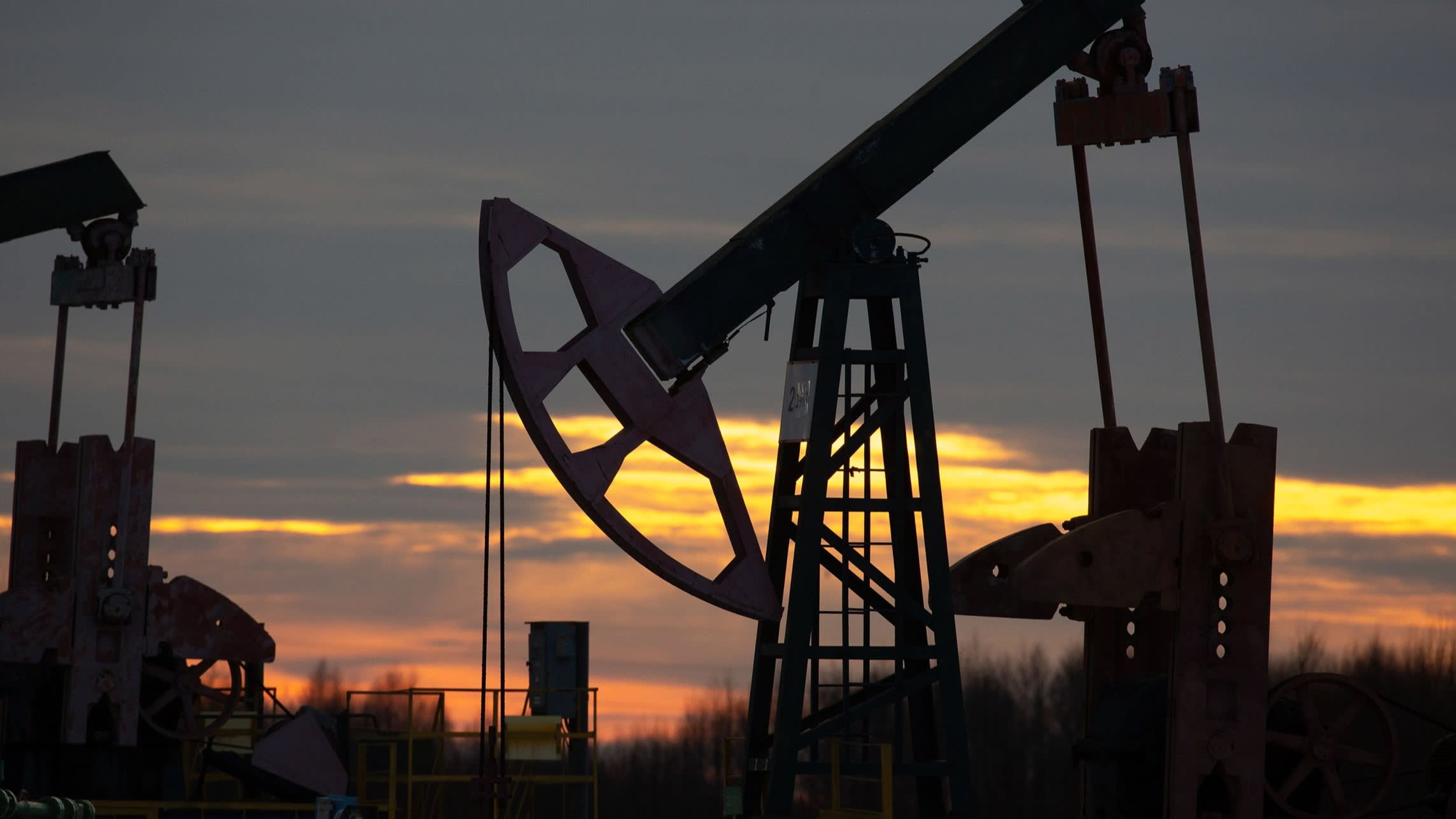
In a decisive move to stabilize international energy markets and mitigate the impact of potential supply disruptions, the Group of Seven (G7) nations have signaled their readiness to jointly deploy strategic petroleum reserves. This coordinated action underscores a commitment to bolstering global energy security, particularly in the face of geopolitical uncertainties and escalating demand. The announcement reflects a proactive approach to preemptively address price spikes and ensure the continuous flow of oil, a critical commodity for the global economy.
The G7, comprising Canada, France, Germany, Italy, Japan, the United Kingdom, and the United States, possesses significant collective influence over global energy markets. Their coordinated pronouncements and potential actions carry considerable weight, often shaping market sentiment and influencing the behavior of oil producers and consumers alike. The decision to stand ready to release strategic reserves is not merely a symbolic gesture but a tangible demonstration of their commitment to maintaining market stability. This strategic petroleum reserve (SPR) mechanism is a well-established tool in the arsenal of major energy-consuming nations, designed to cushion the blow of sudden supply shortages, whether caused by conflict, natural disasters, or other unforeseen events.
The rationale behind this readiness to deploy SPRs stems from a confluence of factors currently pressuring global energy markets. Geopolitical tensions, particularly in regions that are major oil producers, have injected a significant element of risk and uncertainty into supply chains. Any escalation or prolonged instability in these areas can trigger immediate price increases due to fears of disrupted exports. Furthermore, the post-pandemic economic recovery has seen a robust resurgence in global energy demand. As industries rebound and travel patterns normalize, the appetite for oil has grown, placing additional strain on existing supply capacities. In this delicate balance between supply and demand, any perceived or actual threat to supply can have amplified consequences on prices.
The G7’s preparedness to tap into their collective SPRs offers a critical buffer against such shocks. These reserves, often holding millions of barrels of crude oil, are strategically stored to be released during emergencies. The coordinated nature of this announcement is key. It signals to the market that the world’s leading industrialized economies are acting in concert, projecting a united front against potential price manipulation or unwarranted speculation. This collective approach can deter speculative hoarding and encourage a more measured market response to supply-side anxieties. Moreover, the sheer volume that the G7 can potentially release, when combined, is substantial enough to influence global supply levels and exert downward pressure on prices if they begin to surge uncontrollably.
The implications of this G7 stance extend beyond immediate price stabilization. It underscores a broader strategy of energy diplomacy and market management. By demonstrating a willingness to intervene, the G7 aims to encourage greater responsibility from oil-producing nations and to foster a more predictable and stable global energy landscape. This also serves as a signal to non-G7 countries that the major economies are prepared to act collectively to safeguard global economic well-being, which is intrinsically linked to energy affordability. The move is likely to be viewed positively by many energy-importing nations that are vulnerable to price volatility.
However, the decision to deploy SPRs is not without its complexities and potential downsides. The efficacy of such releases depends on various factors, including the duration and magnitude of the supply disruption, the global demand environment at the time of release, and the reactions of major oil producers. While SPR releases can offer short-term relief, they are not a panacea for systemic supply issues or long-term energy transition challenges. The primary purpose of SPRs is to address acute, short-term emergencies, not to manage ongoing market imbalances or to substitute for structural adjustments in energy supply and demand.
Furthermore, the decision to release reserves is typically a carefully considered one, involving extensive consultation among member states and an assessment of the current and projected market conditions. The G7’s announcement of their readiness, rather than an immediate release, suggests a watchful stance. They are likely monitoring the evolving geopolitical landscape and economic indicators closely, preparing to act decisively should the situation warrant it. This measured approach avoids unnecessary market intervention and preserves the strategic value of the reserves for genuine emergencies.
The context of this announcement also highlights the ongoing global effort to transition towards more sustainable and diversified energy sources. While oil remains a dominant force in the global economy, the increasing focus on climate change and energy security is driving investments in renewables and other alternative energy technologies. However, this transition is a long-term process, and in the interim, maintaining stability in traditional energy markets remains paramount for economic stability and avoiding social disruption. The G7’s actions in the oil market can be seen as a pragmatic approach that acknowledges the current energy realities while also supporting the broader agenda of energy diversification.
The potential impact of a coordinated G7 SPR release on global oil prices could be significant, albeit temporary. If a substantial volume of oil is injected into the market during a period of heightened tension or supply concern, it can help to alleviate immediate price pressures and restore market confidence. This can provide breathing room for governments and businesses to adapt and for diplomatic efforts to resolve underlying geopolitical issues. However, the long-term price trajectory will ultimately depend on the fundamental dynamics of supply and demand, as well as the pace of the global energy transition.
Looking ahead, the G7’s readiness to deploy SPRs will likely remain a key element of their energy security strategy. As geopolitical risks persist and the global economy continues to navigate complex challenges, the ability to quickly and effectively respond to energy market disruptions will be crucial. This coordinated approach also sets a precedent for international cooperation on energy security, emphasizing the interconnectedness of global markets and the shared responsibility to maintain stability. Future actions will be closely watched by market participants, policymakers, and the broader international community, as they seek to understand the evolving landscape of global energy governance and the commitment of major economies to ensuring a stable and secure energy future. The G7’s proactive stance underscores the critical role of strategic reserves as a vital tool in managing the inherent volatility of the global energy market, ensuring that economic progress is not unduly hampered by supply shocks.


 Ayu Aulia
 Safa Marwah
 Aura Kasih
 Lisa Mariana