
 Ridwan Kamil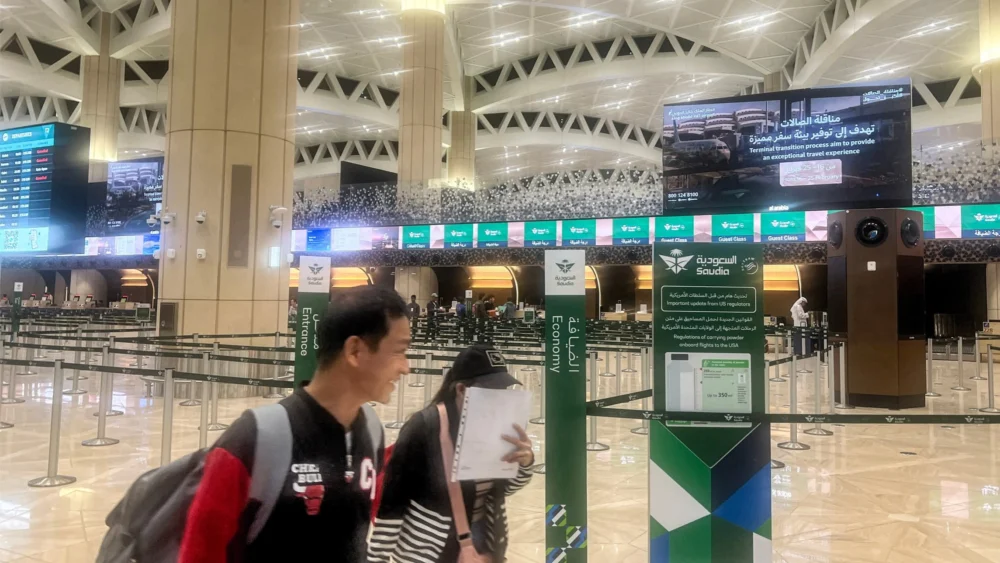
A significant portion of Dubai’s expatriate population is reportedly undertaking journeys to neighboring Oman and Saudi Arabia, not for leisure, but as a strategic maneuver to secure international flights and access a broader spectrum of digital content. This unprecedented exodus, described as "half of Dubai is booking," underscores a growing crisis in air travel connectivity and highlights the limitations faced by residents in accessing diverse online resources from within the emirate. The phenomenon points to a complex interplay of factors, including escalating airfare prices, reduced flight availability on key routes, and potentially, content restrictions that are prompting a proactive search for alternatives beyond the immediate borders.
The narrative emerging from Dubai’s bustling expatriate community paints a stark picture of frustration and ingenuity. For many, the dream of residing in a global hub has begun to fray at the edges due to practical logistical hurdles. The sheer volume of individuals seeking to travel, whether for seasonal visits home, business engagements, or simply to break the routine, appears to have outstripped the available capacity on flights originating from Dubai International Airport (DXB). This imbalance has led to a situation where securing a desirable flight at a reasonable price has become an arduous task. The consequence is a growing reliance on overland travel to Muscat or Riyadh, followed by flights from these alternative hubs, effectively transforming neighboring countries into transit points for international departures.
This trend is not merely an inconvenience; it represents a significant economic and social shift. The increased demand for flights from Oman and Saudi Arabia is likely to inflate prices in those markets as well, creating a ripple effect that impacts travel budgets across the region. Furthermore, the necessity of undertaking multi-stage journeys adds considerable time and expense to travel plans, impacting family visits, business productivity, and the overall quality of life for expatriates who are the backbone of Dubai’s diverse economy. The phenomenon suggests that the current air traffic infrastructure and airline scheduling strategies may not be adequately aligned with the burgeoning demand, particularly from a city with such a significant transient and international population.
Beyond the immediate concerns of flight bookings, the secondary driver for this regional transit is the pursuit of content. In an increasingly digital world, access to a wide array of online services, entertainment platforms, and information resources is considered a fundamental aspect of modern living. Reports indicate that a segment of Dubai’s expatriate population is venturing into Oman and Saudi Arabia to circumvent perceived limitations in accessing certain digital content. This could range from specific streaming services and gaming platforms to news outlets and educational resources that may be geo-restricted or less readily available within the UAE. The implication is that the digital landscape within Dubai, while vast, may not fully satisfy the diverse needs and preferences of its international residents, prompting them to seek broader horizons in neighboring digital spheres.
The underlying causes of these connectivity and content access issues are multifaceted. Economically, the post-pandemic recovery has seen a surge in global travel demand. Airlines, while gradually restoring capacity, are facing operational challenges, including staffing shortages and the cost of fuel. This has led to a significant increase in airfares globally, and Dubai, as a major international hub, is not immune. The sheer volume of passengers, coupled with these economic pressures, creates a perfect storm for reduced availability and inflated prices. Airlines may be prioritizing more lucrative long-haul routes or facing limitations in slot availability at busy airports, leading to a less robust offering on certain shorter regional connections that might otherwise serve as convenient feeder routes.
From a content perspective, the motivations for seeking alternatives are varied. Geo-blocking, where content is restricted based on geographical location, is a common practice by digital service providers to manage licensing agreements and regional distribution rights. While Dubai offers a wealth of entertainment and information, the specific preferences of a highly diverse expatriate population, accustomed to a globalized digital environment, might not always be fully catered for. This can lead to a desire to access platforms and services that are more readily available in other markets, prompting a search for workarounds, which in this case, appears to involve physical transit to countries with different digital access policies.
The implications of this trend are significant for Dubai’s image as a global connectivity hub and a desirable place to live and work. If expatriates feel compelled to leave the emirate to secure basic travel arrangements or access the digital content they require, it could negatively impact talent retention and the perception of ease of living. This could, in turn, affect the city’s ability to attract and retain the skilled workforce that has been instrumental in its development. The economic impact extends beyond the travel sector, potentially affecting spending patterns and the overall vibrancy of the expatriate community.
Moreover, the situation highlights the increasing importance of digital infrastructure and content accessibility in the modern expatriate experience. For many, a seamless digital life is as crucial as efficient transportation. The current challenges suggest a need for a comprehensive review of air travel strategies, potentially involving increased collaboration with airlines to optimize routes and capacity, and exploring innovative solutions to manage demand. Similarly, a deeper understanding of the digital content needs of the expatriate population and potential avenues for broader access could be beneficial.
The long-term outlook for this phenomenon will depend on several factors. If airlines and airport authorities in Dubai can effectively address the capacity and scheduling issues, and if global travel demand stabilizes or if new routes are introduced, the reliance on Oman and Saudi Arabia as transit hubs might diminish. However, the underlying demand for a wider range of digital content is likely to persist. This could spur innovation in digital service delivery within the UAE or encourage a more sustained reliance on regional transit for content access.
Experts in aviation and logistics have noted that such shifts in travel patterns are often indicative of underlying market inefficiencies. "When a major hub like Dubai experiences such a significant outflow of passengers seeking alternatives, it signals a clear mismatch between supply and demand, or perhaps a pricing structure that is becoming prohibitive for a large segment of the population," commented a senior analyst in the Middle East aviation sector. "This isn’t just about inconvenience; it’s about the economics of travel and the fundamental need for residents to connect with the outside world."
The implications for regional connectivity are also noteworthy. The increased demand on Muscat and Riyadh airports could lead to their own capacity constraints and price escalations. This could, in turn, foster greater investment and expansion in these secondary hubs, potentially altering the regional air travel landscape. The current situation underscores the interconnectedness of the GCC economies and the ripple effects that can emerge from logistical challenges in one major center.
In conclusion, the reported trend of Dubai’s expatriates seeking flights and content through Oman and Saudi Arabia is a complex issue with far-reaching implications. It highlights critical challenges in air travel connectivity and digital content accessibility, prompting a re-evaluation of existing strategies. The long-term resolution will likely involve a concerted effort from aviation stakeholders, digital service providers, and policymakers to ensure that Dubai continues to live up to its reputation as a truly global and accessible international hub for all its residents. The ingenuity of expatriates in finding solutions is evident, but the systemic challenges require a more structured and strategic response to maintain the emirate’s appeal and operational efficiency.




 Aura Kasih
 Safa Marwah

 Lisa Mariana