Lisa Mariana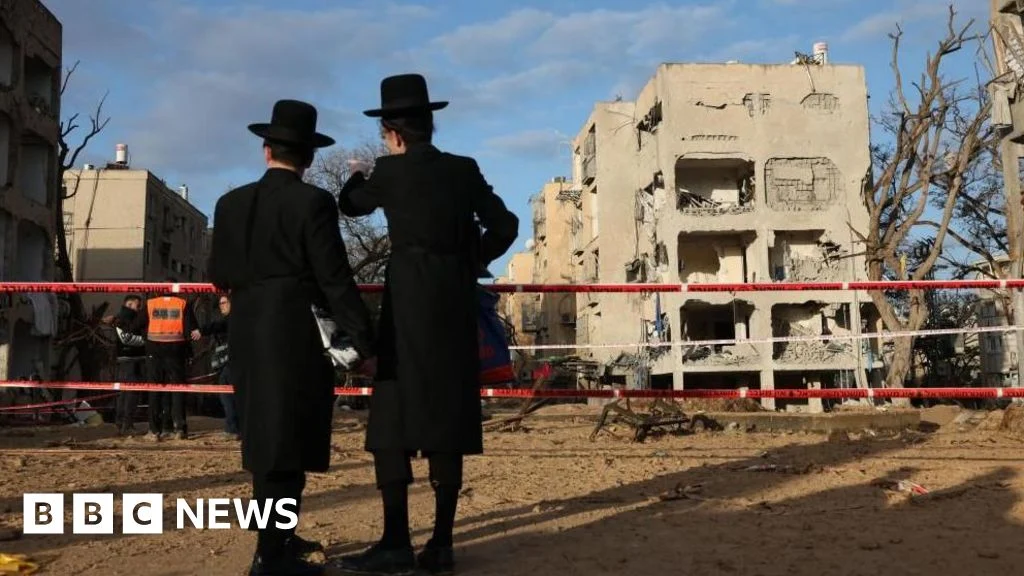
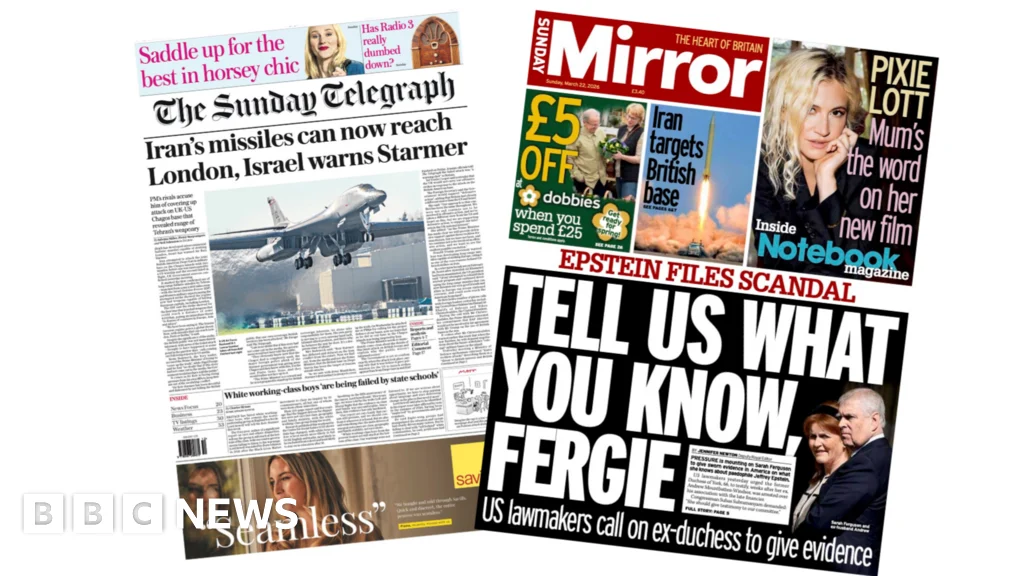
A significant escalation in the ongoing conflict between Iran and Israel unfolded over the weekend, as Iranian ballistic missile strikes on two southern Israeli towns, Arad and Dimona, resulted in over 160 casualties and significant damage, raising profound concerns due to their proximity to Israel’s undeclared nuclear research center. This latest direct confrontation underscores the intensifying regional hostilities, marking a dangerous new phase characterized by overt targeting of strategic sites and civilian population centers.
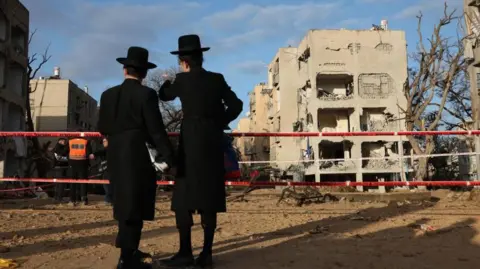
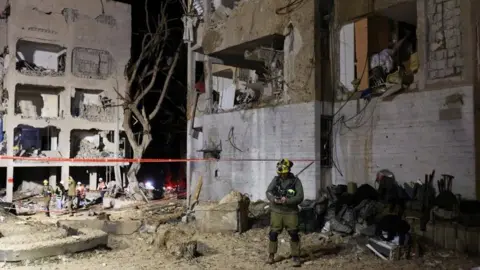
Late Saturday evening, a barrage of ballistic missiles launched from Iranian territory successfully bypassed layers of Israeli air defenses, impacting residential areas in Arad and Dimona. Emergency services confirmed that 84 individuals received medical attention in Arad, while another 78 were treated in Dimona, with several reported to be in serious condition, including a 10-year-old child. The strikes caused extensive structural damage, leaving deep craters and rendering parts of apartment complexes uninhabitable. Eyewitness accounts from Arad described the explosions as "terrifying," indicating the raw power of the incoming munitions.
The strategic implications of these strikes are particularly grave given their geographical coordinates. Dimona is located approximately 13 kilometers (eight miles) from the Shimon Peres Negev Nuclear Research Center, a site universally acknowledged as the cornerstone of Israel’s clandestine nuclear weapons program. For decades, Israel has maintained a policy of deliberate ambiguity regarding its nuclear capabilities, neither confirming nor denying their existence. This strategic posture has made the Dimona facility an implicit, yet highly sensitive, target in any broader conflict. The International Atomic Energy Agency (IAEA) promptly issued a statement confirming it was unaware of any damage to the Israeli nuclear research facility itself, a declaration aimed at assuaging immediate fears of a nuclear incident.
Iran, through its state media, explicitly claimed these missile attacks were a direct response to an earlier alleged assault on its Natanz nuclear enrichment facility. Natanz, a central component of Iran’s declared nuclear program and subject to international monitoring, has been a frequent target of sabotage and cyberattacks, often attributed to Israel. The IAEA also reported "no increase in off-site radiation levels" at Natanz following the alleged incident, mirroring its assessment for Dimona. This tit-for-tat targeting of each other’s nuclear infrastructure signals a perilous expansion of the conflict into a domain with potentially catastrophic global repercussions.
The successful penetration of Iranian ballistic missiles through Israel’s advanced, multi-layered air defense system represents a significant development and a critical challenge for Israeli defense strategists. Israel employs one of the world’s most sophisticated aerial protection networks, comprising systems like the Iron Dome for short-range rockets, David’s Sling for medium-range threats, and the Arrow system designed to intercept long-range ballistic missiles. Despite these formidable capabilities, Israeli firefighters confirmed that "interceptors were launched that failed to hit the threats, resulting in two direct hits by ballistic missiles with warheads weighing hundreds of kilograms." This lapse has prompted urgent investigations into the operational effectiveness and potential vulnerabilities of these systems, reminding the Israeli populace, as observed during previous conflicts, that no defense is entirely foolproof.
The human cost of these attacks is stark. Images from Arad depicted devastated apartment blocks and scenes of emergency workers navigating debris, while crowds of residents, including members of the Ultra-Orthodox Jewish community, surveyed the damage. Such direct hits on civilian infrastructure, even if proximate to strategic targets, underscore the indiscriminate nature of modern warfare and its profound impact on ordinary lives. Historically, direct attacks on Israeli civilian centers have tended to galvanize public support for robust retaliatory measures rather than weaken national resolve. This pattern is likely to be repeated, potentially fueling further escalation.
The current hostilities are rooted in a protracted "shadow war" between Iran and Israel, characterized by proxy conflicts, covert operations, and cyber warfare across the Middle East. However, recent months have seen an alarming shift towards more overt and direct military engagements. Both nations view the other’s nuclear ambitions as an existential threat. Israel and its principal ally, the United States, have consistently stated that preventing Iran from developing nuclear weapons is a paramount strategic objective. Conversely, Iran views any attack on its nuclear facilities as a violation of international law and a direct assault on its sovereignty and right to peaceful nuclear technology. The current exchange, involving direct missile strikes on each other’s nuclear-related territories, pushes the conflict into an uncharted and highly volatile domain.
The implications for regional stability are profound. This direct exchange risks drawing in other regional actors, potentially transforming an already tense standoff into a wider conflagration. International bodies and global powers are likely to intensify calls for de-escalation, though the effectiveness of such appeals often wanes as direct military action takes precedence. The United States, a staunch ally of Israel, finds itself in a precarious position, balancing its commitment to Israeli security with broader regional de-escalation efforts. Any further escalation could disrupt global energy markets, create a new wave of refugee crises, and severely undermine diplomatic efforts aimed at a more comprehensive regional peace.
The attacks also carry significant weight for the Nuclear Non-Proliferation Treaty (NPT). Iran, a signatory to the NPT, has consistently asserted its right to enrich uranium for peaceful purposes, even as concerns persist about the potential dual-use nature of its program. Attacks on its declared facilities, regardless of justification, complicate the already fraught landscape of international nuclear safeguards. Meanwhile, Israel’s undeclared nuclear arsenal, while strategically vital for its deterrence posture, remains outside the NPT framework, creating a unique asymmetry in regional nuclear security dynamics. Any targeting, or perceived targeting, of such sites elevates the risk profile dramatically, potentially leading to miscalculation and unintended consequences.
Looking ahead, the immediate future appears fraught with peril. The successful Iranian strikes necessitate a strong response from Israel to reassert its deterrence capabilities and reassure its populace. Potential Israeli counter-retaliation could target Iranian military infrastructure, missile launch sites, or further strategic assets. The precise nature and scale of any such response will be critical in determining the conflict’s trajectory. Both nations face immense pressure to demonstrate strength while simultaneously avoiding an all-out war that neither side can truly afford. The ongoing challenge for international diplomacy will be to find pathways for de-escalation and to reinforce mechanisms that prevent the conflict from spiraling into an uncontrolled regional catastrophe, particularly concerning nuclear facilities. The current situation underscores the urgent need for robust de-escalation efforts and a renewed focus on diplomatic solutions to prevent a wider, potentially catastrophic, regional conflict.



 Ayu Aulia
 Ridwan Kamil
 Safa Marwah
 Aura Kasih