
 Ridwan Kamil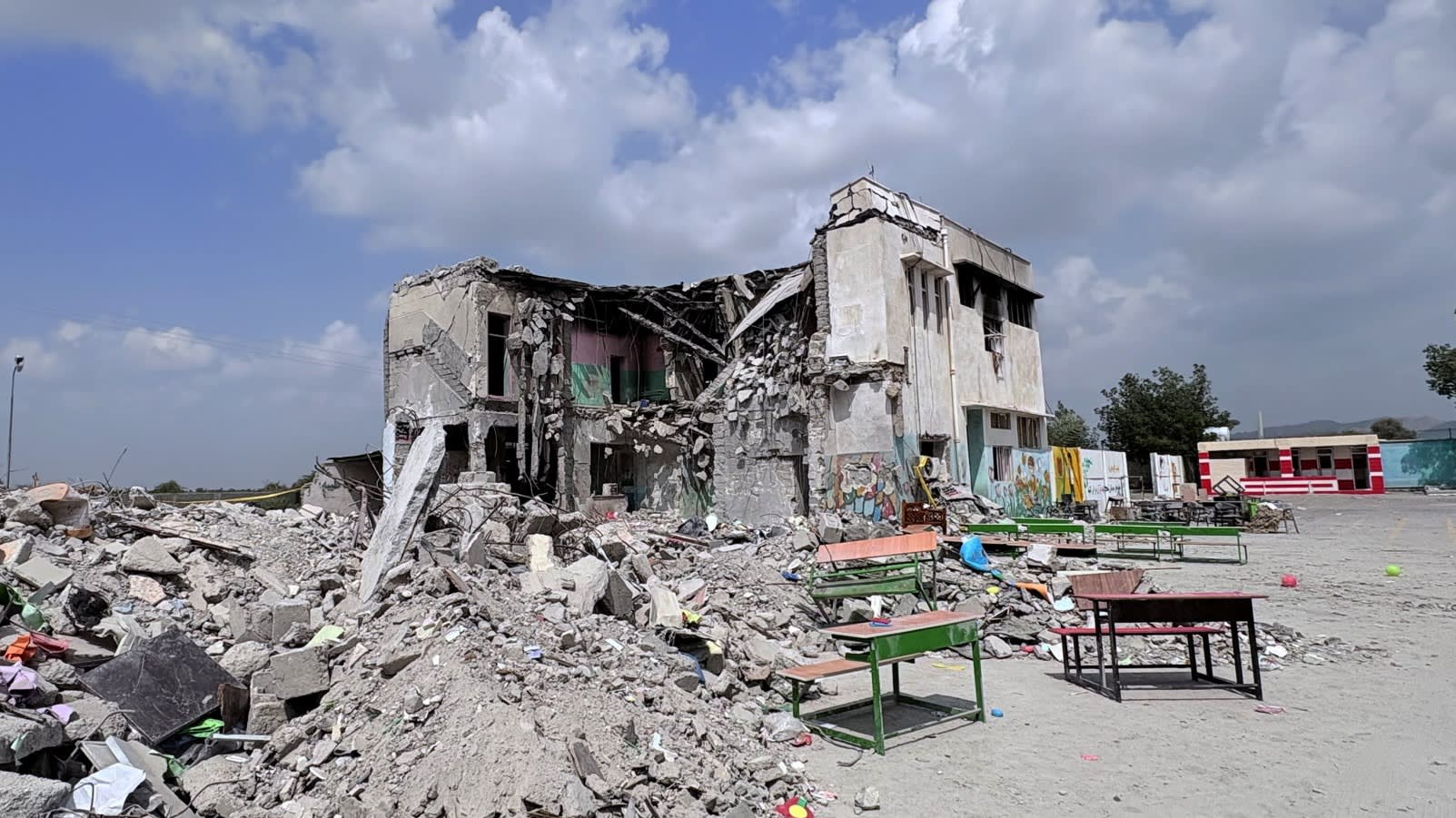
A recent devastating bombing incident at an Iranian school has ignited a fierce and complex information war, highlighting the critical role of narrative control in shaping perceptions of conflict and its perpetrators.
The attack, which tragically claimed the lives of young students and left many others injured, has become a focal point for competing claims and counter-narratives, both domestically and internationally. In the immediate aftermath, the incident served as a stark reminder of the devastating human cost of escalating tensions and the vulnerability of civilian populations caught in the crossfire. However, beyond the immediate shock and grief, the event has underscored the pervasive nature of modern information warfare, where the battle for truth and public opinion is as critical as any military engagement.
The Unfolding Tragedy and the Initial Information Void
Details surrounding the bombing remain contested, a common characteristic of events occurring within environments of heightened geopolitical sensitivity. Initial reports, often fragmented and originating from a variety of sources with differing agendas, painted a grim picture of a targeted act of violence against an educational institution. The sheer brutality of the act, particularly its targeting of children, immediately elicited widespread condemnation from international bodies and human rights organizations. However, the absence of definitive, independently verifiable evidence in the early hours allowed for the rapid proliferation of speculative and often contradictory accounts.
Within Iran, the government swiftly moved to control the official narrative. State-controlled media outlets focused on portraying the incident as a cowardly act of terrorism perpetrated by external enemies or internal dissidents seeking to destabilize the nation. This framing aimed to consolidate national unity in the face of perceived external threats and to justify potential retaliatory actions. Simultaneously, the government has been accused of suppressing dissenting voices and restricting access to independent reporting, further complicating the process of establishing an objective understanding of the events.
Conversely, opposition groups and international observers have questioned the official account, suggesting alternative scenarios or pointing to potential complicity or misdirection by state actors. These counter-narratives, while often lacking the same reach as state-sponsored media, gain traction through social media channels and independent news platforms, creating a fractured information ecosystem where discerning verifiable facts from propaganda becomes an increasingly arduous task.
The Mechanics of the Information War: Tools and Tactics
The information war surrounding the Iranian school bombing is being waged on multiple fronts, employing a sophisticated array of tools and tactics. These include:
-
State-Sponsored Media and Propaganda: Governments on all sides of the conflict utilize their state-controlled media apparatus to disseminate carefully curated information that aligns with their political objectives. This often involves selective reporting, the amplification of certain narratives, and the deliberate omission or downplaying of inconvenient facts. In the context of the school bombing, Iranian state media has emphasized the innocence of the victims and the heinous nature of the act, while simultaneously casting doubt on any narratives that might implicate the Iranian state or its allies.
-
Social Media and Disinformation Campaigns: Social media platforms have become fertile ground for the rapid dissemination of information, both accurate and inaccurate. Malicious actors, often operating with state backing or significant financial resources, engage in coordinated disinformation campaigns. This can involve the creation of fake accounts, the amplification of fabricated news stories, and the exploitation of emotional responses to sow discord and confusion. In this instance, social media has likely been used to spread unverified claims about the perpetrators, the nature of the attack, and the motivations behind it, further muddying the waters.
-
Cyber Warfare and Hacking: The information war can extend into the digital realm through cyberattacks aimed at disrupting communication networks, accessing sensitive information, or manipulating data. The goal is often to gain strategic advantages by controlling or compromising the flow of information. While specific details of cyber operations related to this incident are often kept secret, the potential for such activities to influence the information landscape cannot be discounted.
-
Strategic Leaks and Whistleblowers: Information can also be strategically leaked by individuals or groups seeking to influence public opinion or expose perceived wrongdoings. While these leaks can sometimes provide valuable insights, they are also susceptible to manipulation and can be part of broader disinformation strategies.
-
International Media and the Challenge of Objectivity: Independent international media outlets face the difficult challenge of reporting on events within a highly controlled information environment. Access to reliable sources can be severely limited, and journalists often operate under significant risk. The pressure to report quickly can also lead to the unintentional amplification of unverified information, even when efforts are made to maintain objectivity.
The Geopolitical Implications and the Erosion of Trust
The information war surrounding the Iranian school bombing has profound geopolitical implications. It serves to:
-
Shape International Perceptions: The narratives that gain prominence can significantly influence how the international community perceives the conflict, the actors involved, and the legitimacy of any proposed solutions. A narrative of victimhood and external aggression can bolster domestic support for a government, while a narrative of state culpability can lead to increased international pressure and sanctions.
-
Fuel Regional Tensions: The competing narratives can exacerbate existing regional tensions and animosities. Accusations and counter-accusations, particularly if amplified by state media, can inflame public sentiment and make diplomatic solutions more elusive.
-
Undermine Diplomatic Efforts: A fractured information landscape, where truth is elusive and trust is eroded, makes genuine diplomatic engagement exceedingly difficult. Without a shared understanding of the facts, it becomes challenging to build consensus or to engage in meaningful negotiations.
-
Erode Public Trust: Perhaps the most damaging long-term consequence of pervasive information warfare is the erosion of public trust in institutions, media, and even in the very concept of objective truth. When citizens are constantly bombarded with conflicting and often misleading information, it becomes increasingly difficult for them to discern reliable sources and to form informed opinions. This can lead to widespread cynicism and disengagement from civic life.
Expert Analysis and the Path Forward
Analysts emphasize that understanding the dynamics of the information war is crucial for comprehending the broader conflict. "The battle for the narrative is often as consequential as the physical confrontations," notes Dr. Anya Sharma, a geopolitical analyst specializing in information warfare. "In environments where access to verifiable information is restricted, the most effectively disseminated narrative, regardless of its factual basis, can exert significant influence over public opinion and policy decisions."
The challenge for the international community lies in navigating this complex information environment and promoting the principles of transparency and accountability. This requires a multi-pronged approach:
-
Support for Independent Journalism: Investing in and protecting independent media outlets that can operate with a degree of freedom, even in challenging environments, is paramount. This includes providing resources for investigative journalism and ensuring the safety of journalists.
-
Promoting Media Literacy: Educating the public about the tactics of disinformation and equipping them with the critical thinking skills to evaluate information sources is essential. This is a long-term endeavor but crucial for building resilience against manipulation.
-
International Cooperation: Greater international cooperation is needed to identify and counter coordinated disinformation campaigns. This can involve intelligence sharing, the development of common standards for platform accountability, and the creation of mechanisms for fact-checking and debunking false narratives.
-
De-escalation and Dialogue: Ultimately, the most effective way to combat the devastating consequences of conflict, and the information wars that accompany it, is through de-escalation and a commitment to genuine dialogue. Creating space for credible investigations and fostering an environment where truth can emerge, rather than being suppressed, is a critical step towards achieving lasting peace.
The bombing at the Iranian school is a tragic reminder of the human cost of conflict. However, it also serves as a potent case study in the evolving nature of modern warfare, where the battlefield extends far beyond physical territories and into the minds of populations worldwide. The ability to discern truth from fiction in this increasingly fragmented information landscape will be a defining challenge of our time.

 Safa Marwah
 Aura Kasih
 Lisa Mariana
 Ayu Aulia