Aura Kasih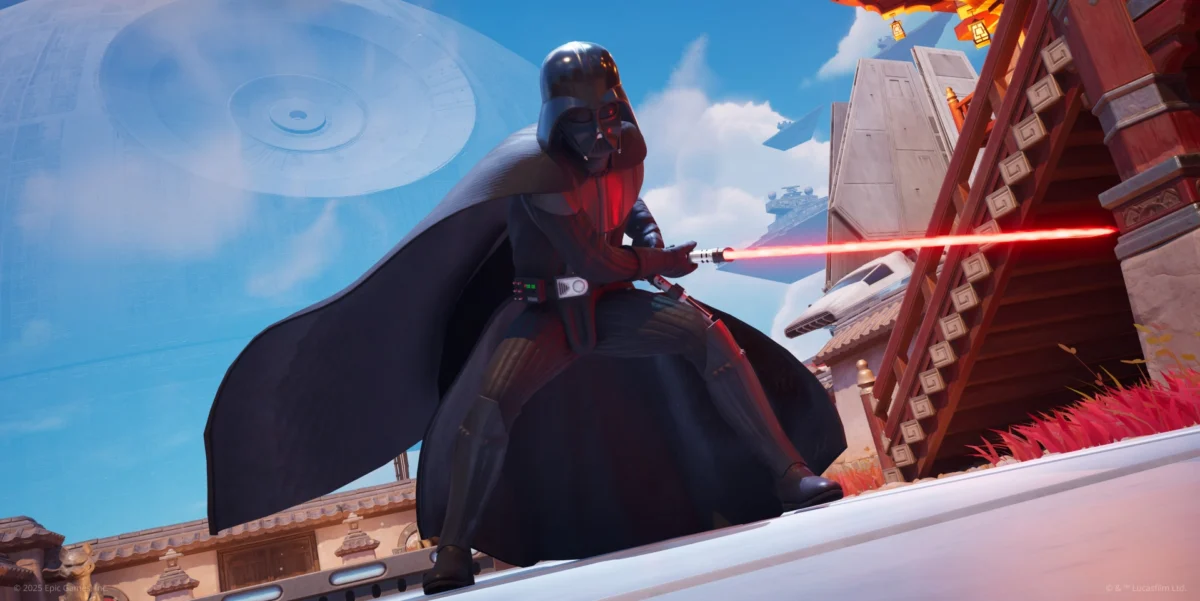
The entertainment giant Disney is currently navigating a turbulent period as two of its most significant strategic initiatives – deep integration with artificial intelligence and the development of a metaverse presence – are encountering substantial roadblocks, casting a long shadow over the company’s future technological trajectory.
In the immediate aftermath of the leadership transition that saw Josh D’Amaro assume the CEO mantle, Disney finds itself grappling with two distinct, yet interconnected, challenges that raise critical questions about the viability and execution of its forward-looking investments. The highly publicized $1 billion collaboration with OpenAI, initially hailed as a groundbreaking move to infuse generative AI capabilities into the Disney Plus streaming platform, has been significantly complicated by OpenAI’s decision to reportedly wind down its Sora image-generation program. Concurrently, a substantial investment in Epic Games, aimed at co-creating a metaverse experience, is now shadowed by news of significant layoffs at the gaming titan, leaving the scope and timeline of this ambitious partnership in considerable doubt.
These developments, occurring in close succession, signal a potentially precarious outlook for some of Disney’s most significant bets on the cutting edge of technology. While the possibility of integrating AI into its streaming services or eventually realizing its metaverse aspirations remains, the recent setbacks inject a potent dose of uncertainty into these grand visions.
The decision by OpenAI to reportedly cease development on its Sora image-generation model, a technology that Disney had earmarked for integration into its flagship streaming service, Disney Plus, arrives as a notable surprise. This move is particularly striking given the context of the $1 billion partnership announced with Disney, a deal that was intended to bring user-generated AI content directly to the platform. The collaboration was positioned as a significant step in normalizing the concept of major entertainment corporations embracing and integrating advanced generative AI technologies into their consumer-facing products. The infusion of capital and the strategic alignment with a company of Disney’s stature were expected to lend considerable legitimacy to Sora and similar AI endeavors, potentially shaping public perception and adoption of these technologies.
However, the prospect of Disney Plus being inundated with AI-generated content, often characterized as "slop," raises questions about its appeal to subscribers. Nevertheless, Disney might have strategically leveraged such a partnership to position itself as a pioneer in the AI landscape, showcasing a forward-thinking approach to investors. The current circumstances, however, paint a far less favorable picture. OpenAI’s ongoing scrutiny, including allegations of assisting the Pentagon in mass surveillance efforts, likely compels Disney to re-evaluate its association and seek to distance itself from potential reputational damage. This apparent move to mitigate risk, while understandable, underscores the potentially ill-conceived nature of the initial collaboration, particularly given the timing of D’Amaro’s ascension to leadership.
The notion that Disney would commit $1 billion to OpenAI for the express purpose of generating AI-created content featuring its iconic characters, a move widely perceived as an endorsement of what many critics have labeled as "AI slop," appears to be a strategic miscalculation that the company is now attempting to rectify. While it is commendable that Disney is reportedly reassessing this aspect of its technological strategy, the fallout from this aborted partnership could cast a pall over future AI-related announcements, leading observers to question their underlying rationale and potential for success.

The significant workforce reductions at Epic Games, while not directly attributed to the Disney investment, offer a revealing glimpse into the evolving dynamics of the gaming industry and the operational realities facing major players. Like many other live-service games, Fortnite has grappled with maintaining peak player engagement, a challenge exacerbated by rising operational costs and the need to continually innovate to retain its user base. Epic CEO Tim Sweeney’s communication to employees regarding the layoffs and a substantial reduction in spending aims to fortify the company’s financial standing. However, this strategic recalibration inevitably prompts questions about the prioritization and future of the Disney-Epic Games partnership.
While Epic recently announced the integration of Star Wars-themed content creation tools within Fortnite, representing the most concrete update on the collaboration since the release of several Disney-branded mini-games last fall, the core objective of the $1.5 billion investment – the establishment of a "persistent universe" – remains conspicuously absent from public discourse. The initial investment, made in 2024 with the explicit goal of building a metaverse, now faces an uncertain future. The struggles of Fortnite, despite its immense popularity, to sustain consistent momentum within the highly competitive online gaming sector, do not bode well for the ambitious endeavor of constructing a Disney-branded metaverse. Furthermore, the significant reduction in Epic’s workforce will undoubtedly impact its capacity to execute such a complex and resource-intensive project.
Disney’s strategic approach, characterized by substantial investments in both artificial intelligence and the metaverse, represented a clear attempt to secure a competitive advantage by anticipating future technological trends. However, the simultaneous emergence of significant challenges with its key partners has cast a considerable doubt on the foresight and execution of these ventures, suggesting that these high-stakes gambles may prove to be costly missteps.
The implications of these setbacks extend beyond mere financial considerations. For Disney, a company built on its ability to captivate audiences and innovate within the entertainment sphere, these technological missteps could erode investor confidence and public perception. The initial excitement surrounding the OpenAI partnership was predicated on the promise of cutting-edge AI integration, while the Epic Games collaboration was envisioned as a gateway to the burgeoning metaverse. The current reality, marked by partner instability and strategic retrenchment, forces a critical re-examination of Disney’s technological roadmap and its ability to effectively navigate the rapidly evolving digital landscape.
The narrative surrounding generative AI, in particular, has become increasingly complex. While the potential for AI to revolutionize content creation is undeniable, ethical concerns, issues of intellectual property, and the sheer volume of potentially uninspired output necessitate a cautious and judicious approach. Disney’s initial embrace of Sora, despite its nascent stage and the surrounding controversies, suggests a degree of eagerness that may have overshadowed a thorough assessment of the risks and long-term implications. The subsequent need to distance itself from OpenAI underscores the delicate balance between technological adoption and corporate responsibility.
Similarly, the metaverse, a concept still in its formative stages, presents both immense opportunities and significant challenges. The investment in Epic Games, a leader in interactive entertainment, was a logical step for Disney. However, the success of such an endeavor is contingent on a robust and stable ecosystem, as well as a clear and compelling user proposition. The recent layoffs at Epic, while potentially a necessary measure for long-term stability, introduce an element of instability that could delay or fundamentally alter the scope of the metaverse project. The challenge for Disney will be to adapt its strategy and potentially redefine its metaverse ambitions in light of these operational realities.
Looking ahead, Disney faces a critical juncture. The company must not only address the immediate challenges posed by its AI and metaverse initiatives but also reassess its overall technology strategy. This may involve a more measured and iterative approach to adopting new technologies, prioritizing partnerships that offer greater stability and a clearer path to tangible value creation. Furthermore, a more robust internal research and development capability could provide Disney with greater control and flexibility in shaping its technological future, reducing reliance on external partners whose strategic directions may diverge. The ability of the new leadership to steer the company through these turbulent waters will be a defining factor in its long-term success in the digital age. The coming months will likely reveal whether Disney can pivot effectively from these ambitious, yet troubled, ventures to forge a more stable and promising technological future.



 Safa Marwah