
 Ayu Aulia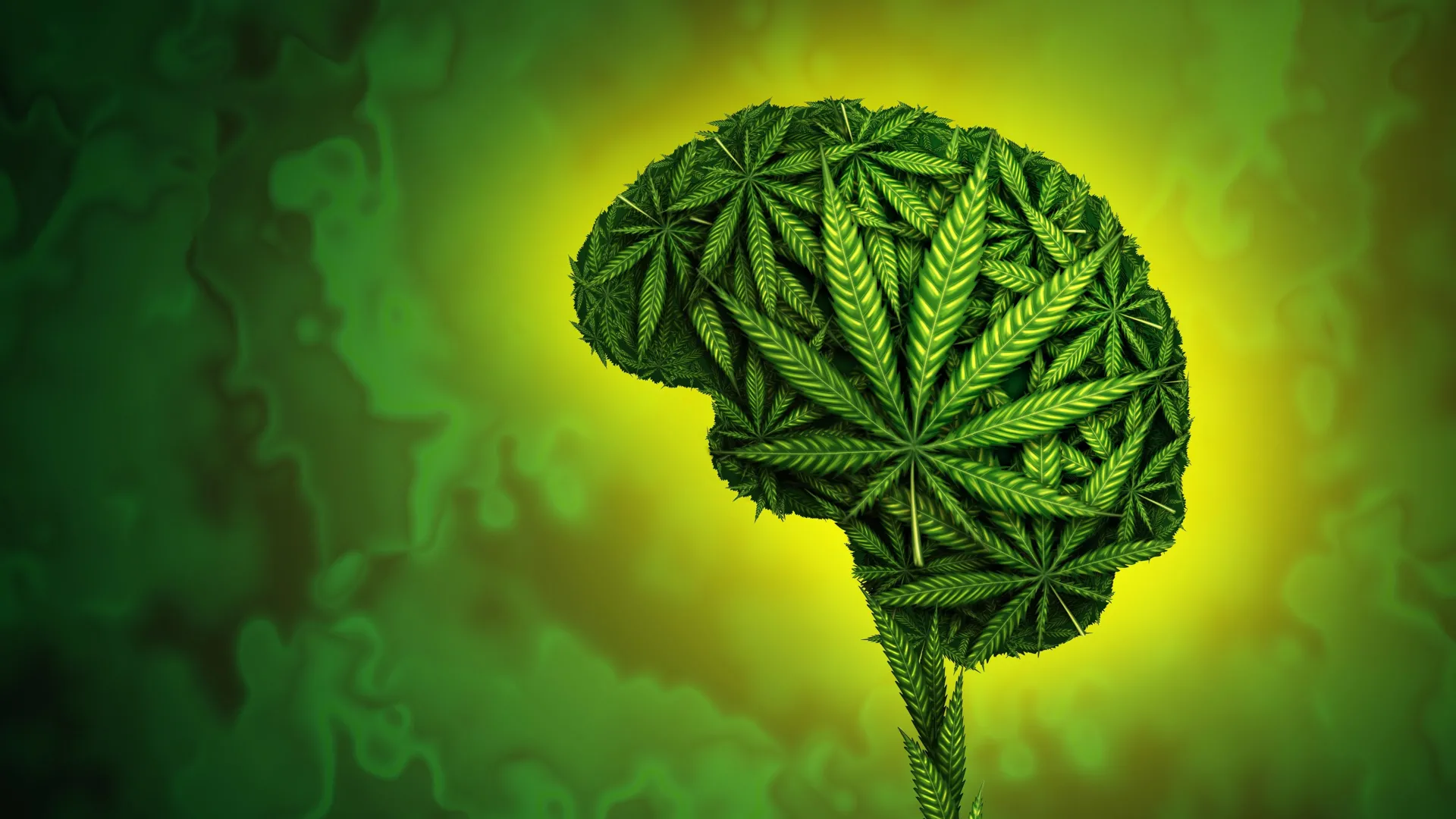
A landmark international meta-analysis, synthesizing decades of rigorous clinical trials, definitively concludes that cannabis-based treatments offer no significant therapeutic benefit for individuals grappling with anxiety, depression, or post-traumatic stress disorder, challenging widespread public perception and current medical practices. This extensive investigation, meticulously scrutinizing both the purported benefits and potential risks of cannabinoids across a broad spectrum of psychological conditions, represents the most comprehensive assessment of its kind to date. The findings carry profound implications for patients, healthcare providers, and policymakers navigating the rapidly evolving landscape of medical cannabis use.
The Proliferation of Medical Cannabis: A Landscape of Hope and Hype
The publication of these critical findings emerges amidst a period of unprecedented expansion in the legal and social acceptance of cannabis for medicinal purposes. In North America alone, an estimated 27 percent of adults between the ages of 16 and 65 report utilizing cannabis for health-related reasons. A significant proportion of these individuals—approximately half—specifically cite the management of mental health symptoms as their primary motivation. This widespread adoption is fueled by a complex interplay of factors, including increasing legalization, aggressive marketing by cannabis enterprises, a growing public desire for "natural" remedies, and, often, a profound dissatisfaction with conventional pharmaceutical treatments. The perception that cannabis offers a gentler, more holistic alternative has taken root deeply within popular culture, often amplified by anecdotal testimonials and social media trends, creating a significant chasm between public belief and scientific evidence.
For many years, proponents have speculated that cannabinoids, the active compounds in cannabis, might exert therapeutic effects on mental health through their interaction with the body’s endocannabinoid system. This intricate network of receptors and neurotransmitters plays a crucial role in regulating mood, stress response, and emotional processing. Theories posited that modulating this system could alleviate symptoms of anxiety, lift depressive states, or mitigate the hyperarousal and intrusive thoughts associated with PTSD. However, these hypotheses largely lacked the robust, long-term clinical validation typically required for pharmaceutical interventions. The burgeoning medical cannabis market has largely operated in a regulatory grey area, with products often entering circulation without the stringent efficacy and safety evaluations mandated for conventional medicines, leading to a proliferation of untested claims and patient self-medication.
A Rigorous Scientific Scrutiny: The Methodology Behind the Revelation
The gravity of the current study stems from its methodological rigor and expansive scope. Conducted as a systematic review and meta-analysis, the research synthesized data from 54 randomized controlled trials (RCTs) spanning a remarkable 45-year period, from 1980 to 2025. A systematic review involves a methodical search, appraisal, and synthesis of all relevant research on a particular topic, minimizing bias. A meta-analysis then statistically combines the results of multiple independent studies, yielding a more precise estimate of treatment effects than any single study could provide. By pooling data from a diverse array of global investigations, this methodology significantly enhances the statistical power and generalizability of the conclusions.
Randomized controlled trials are widely considered the gold standard in clinical research. In an RCT, participants are randomly assigned to either a treatment group (receiving medicinal cannabis) or a control group (receiving a placebo or an active comparator). This randomization helps ensure that groups are comparable at the outset, minimizing confounding variables. Furthermore, many of these trials employ blinding techniques, where neither the participants nor the researchers know who is receiving the active treatment, thereby reducing observer bias and expectation effects. The sheer volume of data and the inclusion of trials conducted over nearly half a century underscore the comprehensiveness of this undertaking, providing an unparalleled evidence base to critically evaluate the role of cannabis in mental health care.
Decisive Findings: Discrediting Cannabis for Key Mental Health Disorders
The unequivocal conclusion drawn from this extensive analysis is that medicinal cannabis lacks demonstrated efficacy in treating generalized anxiety disorder, major depressive disorder, or post-traumatic stress disorder. These findings directly challenge the pervasive narrative that cannabis offers a viable therapeutic pathway for millions worldwide suffering from these debilitating conditions. Anxiety disorders affect hundreds of millions globally, often leading to significant impairment in daily functioning. Depression, a leading cause of disability worldwide, imposes an immense burden on individuals and healthcare systems. PTSD, a severe and often chronic condition resulting from exposure to traumatic events, can profoundly disrupt a person’s life, leading to isolation, distress, and reduced quality of life.
The lead researcher, Dr. Jack Wilson from the University of Sydney’s Matilda Centre, articulated the profound implications of these results, stating that they raise serious questions about the ongoing approval and widespread recommendation of medicinal cannabis for these specific indications. For patients currently using cannabis for these mental health challenges, the findings serve as a critical alarm, urging a re-evaluation of their treatment strategies in consultation with qualified medical professionals. The study highlights a crucial disconnect between popular belief and scientific reality, suggesting that the rush to embrace cannabis as a panacea for mental distress may have outpaced rigorous scientific validation.
The Peril of Misguided Treatment: Expert Warnings and Potential Harms
Beyond the absence of therapeutic benefit, the study’s authors voiced significant concerns regarding the potential for harm associated with the routine use of medicinal cannabis for mental health conditions. Dr. Wilson specifically cautioned that such use "could be doing more harm than good by worsening mental health outcomes." This stark warning is underpinned by several well-documented risks. One primary concern is the increased risk of psychotic symptoms, particularly in vulnerable individuals or adolescents whose brains are still developing. High-potency tetrahydrocannabinol (THC), the primary psychoactive component of cannabis, has been linked to an elevated risk of psychosis, including schizophrenia, especially with early and heavy use.
Another significant risk is the development of cannabis use disorder (CUD), a condition characterized by impaired control over cannabis use, social impairment, risky use, and pharmacological criteria such as tolerance and withdrawal. As cannabis potency has increased and access has broadened, the prevalence of CUD has risen, imposing substantial public health costs. Furthermore, relying on ineffective cannabis treatments can delay the initiation of genuinely effective, evidence-based interventions. For anxiety, depression, and PTSD, established treatments include various forms of psychotherapy (such as cognitive behavioral therapy or exposure therapy), and pharmacotherapy (like selective serotonin reuptake inhibitors or serotonin-norepinephrine reuptake inhibitors). Delaying these proven treatments can lead to the chronicization of symptoms, worsening prognosis, and a more challenging recovery process in the long run. The ethical imperative for healthcare providers to recommend treatments with demonstrated efficacy, while minimizing potential harm, stands in sharp contrast to the current unregulated prescribing practices seen in some jurisdictions.
Nuance in Efficacy: Where Cannabis Might Have a Role
While the overall picture for common mental health disorders appears bleak, the researchers did identify a few specific conditions for which medicinal cannabis might offer some limited benefit. These include certain presentations of autism spectrum disorder, insomnia, and tic disorders such as Tourette’s syndrome. Intriguingly, there was also some indication of efficacy in treating cannabis use disorder itself, presenting a complex, almost paradoxical therapeutic application.
However, Dr. Wilson was quick to emphasize a critical caveat: the quality of evidence supporting these potential applications remains low. This means that while some preliminary studies might show promising trends, these findings are often derived from small sample sizes, studies lacking robust control groups, or investigations with methodological limitations that preclude definitive conclusions. For instance, in conditions like autism, where symptom presentation is highly heterogeneous, any observed benefits might apply only to a very specific subset of individuals or symptoms. The sedative properties of some cannabinoids might theoretically assist with sleep disturbances in insomnia, or their calming effects might reduce the frequency or intensity of tics. Yet, without large-scale, well-controlled clinical trials, these remain speculative. The authors strongly advised that in the absence of robust medical or counseling support, the use of medicinal cannabis for these conditions is rarely justified, reinforcing the need for integrated care and cautious clinical decision-making.
It is crucial to distinguish these equivocal findings from areas where medicinal cannabis has demonstrated more substantial, albeit still evolving, evidence of efficacy. For instance, cannabis-derived medications have shown promise in reducing seizure frequency in specific forms of epilepsy (e.g., Dravet syndrome, Lennox-Gastaut syndrome), alleviating spasticity associated with multiple sclerosis, and managing certain types of chronic neuropathic pain. The mechanisms of action in these conditions, involving anticonvulsant properties of cannabidiol (CBD) or muscle relaxant effects, appear distinct from the complex neurochemical pathways involved in mental health disorders, underscoring the need for condition-specific evaluation rather than a broad-spectrum approach.
Complexities of Substance Use: A Double-Edged Sword
The review also delved into the role of medicinal cannabis in managing other substance use disorders, revealing a mixed and often contradictory landscape. In a potentially counterintuitive finding, cannabis-based treatments showed some promise in aiding individuals grappling with cannabis dependence. This could operate on a principle similar to opioid substitution therapy, where a less harmful or more controlled form of the substance (or a related compound) is used to manage withdrawal and cravings, facilitating a gradual reduction in illicit or high-risk use. Dr. Wilson noted that "when administered alongside psychological therapy, an oral formulation of cannabis was shown to reduce cannabis smoking," drawing a parallel to how methadone is used to treat opioid-use disorder. This suggests a potential harm-reduction strategy, but one that must be carefully integrated into comprehensive treatment plans involving counseling and behavioral therapies.
Conversely, the study uncovered a concerning and detrimental effect when medicinal cannabis was used in the context of cocaine-use disorder. Far from being helpful, it was found to increase cravings for cocaine, thereby potentially exacerbating dependence. This finding is particularly alarming given the high rates of co-occurring substance use disorders and mental health conditions. For individuals struggling with poly-substance use, the indiscriminate application of cannabis could lead to unintended and severe negative consequences, highlighting the critical importance of careful patient assessment and a deep understanding of drug interactions and cross-sensitization pathways. The implications for individuals with dual diagnoses—simultaneous mental health and substance use disorders—are profound, demanding a highly nuanced and evidence-based approach to treatment planning.
The Regulatory Vacuum: A Call for Stricter Oversight
The rapid and largely unbridled proliferation of medicinal cannabis use and prescribing has raised significant red flags among major medical organizations globally, including the American Medical Association. A central concern is the existing regulatory patchwork, which often fails to impose the rigorous standards of safety, efficacy, and quality control that govern conventional pharmaceuticals. Unlike FDA-approved drugs, which undergo extensive pre-market testing, including multi-phase clinical trials, manufacturing inspections, and labeling reviews, many medical cannabis products enter the market with minimal oversight. This regulatory deficit creates an environment where product potency can vary wildly, contaminants may be present, and unsubstantiated health claims proliferate.
Experts contend that the current environment is fraught with uncertainty regarding the true effectiveness and safety of these products. Without standardized dosing, clear indications, robust prescribing guidelines, and comprehensive physician education, patients are often left to navigate a complex and potentially hazardous therapeutic landscape. Stronger regulation would entail establishing clear pathways for product approval based on high-quality clinical evidence, implementing stringent manufacturing and quality control standards, and ensuring transparent labeling that accurately reflects cannabinoid content and potential risks. This would not only protect public health but also restore confidence in medical cannabis where genuine therapeutic benefits are eventually proven, aligning it with the ethical and scientific principles that underpin modern medicine.
Implications for Patients, Clinicians, and Policy Makers
These findings carry significant weight for various stakeholders. For patients currently relying on medicinal cannabis for anxiety, depression, or PTSD, the study serves as a crucial impetus to re-evaluate their treatment strategies. It is imperative that individuals do not abruptly discontinue any prescribed medication, but rather engage in open dialogue with their healthcare providers to explore evidence-based alternatives and adjust their care plans. For clinicians, the research reinforces the ethical obligation to base treatment recommendations on robust scientific evidence, guiding patients away from ineffective or potentially harmful interventions and towards established therapies that have demonstrated efficacy. This necessitates ongoing education and a critical approach to emerging treatments.
For policymakers, the study underscores the urgent need for a more coherent and scientifically informed regulatory framework for medical cannabis. The current approach, often driven by public opinion or economic interests rather than rigorous science, risks compromising public health. Implementing stricter oversight, requiring comprehensive clinical trials for specific indications, and standardizing product quality and labeling are essential steps toward ensuring patient safety and promoting responsible medical practice.
Future Directions in Research and Public Health
The comprehensive nature of this review, while conclusive for its primary objectives, also illuminates critical avenues for future research. Further investigation is needed to precisely delineate the specific cannabinoid compounds (e.g., pure CBD, specific THC/CBD ratios, minor cannabinoids) that might possess therapeutic potential for the conditions where preliminary, albeit weak, evidence exists. Large-scale, well-designed randomized controlled trials are paramount to conclusively determine the efficacy and safety of cannabis-based interventions for conditions like insomnia, autism, and specific tic disorders. Research into the complex interactions between different cannabinoids, terpenes, and other cannabis compounds (the "entourage effect") is also crucial to fully understand their pharmacological profiles.
From a public health perspective, there is an urgent need for targeted education campaigns to bridge the gap between public perception and scientific reality regarding cannabis. Disseminating accurate, evidence-based information to both the public and healthcare professionals is vital to counteract misinformation and foster informed decision-making. As the legal and social status of cannabis continues to evolve, ensuring that medical applications are rigorously evaluated and appropriately regulated will be critical for safeguarding public health and maintaining the integrity of evidence-based medicine.
Conclusion: Redefining the Therapeutic Landscape
In conclusion, this monumental global meta-analysis delivers a decisive blow to the widespread belief that medicinal cannabis offers an effective treatment for anxiety, depression, or PTSD. Its findings mandate a critical reassessment of current medical cannabis practices and underscore the potential for significant harm when unproven therapies displace evidence-based care. While the study acknowledges very limited, low-quality evidence for certain niche applications and offers a nuanced perspective on substance use disorders, its overarching message is clear: for the most prevalent mental health challenges, cannabis is not a panacea. This research does not close the door entirely on the therapeutic potential of cannabis, but it emphatically redirects the focus toward rigorous scientific inquiry, demanding that any future medical applications be grounded in the same exacting standards of evidence and safety applied to all other therapeutic interventions. The path forward necessitates a commitment to science, patient safety, and robust regulatory oversight to truly redefine the therapeutic landscape.



 Ridwan Kamil
 Safa Marwah
 Aura Kasih
 Lisa Mariana