
 Aura Kasih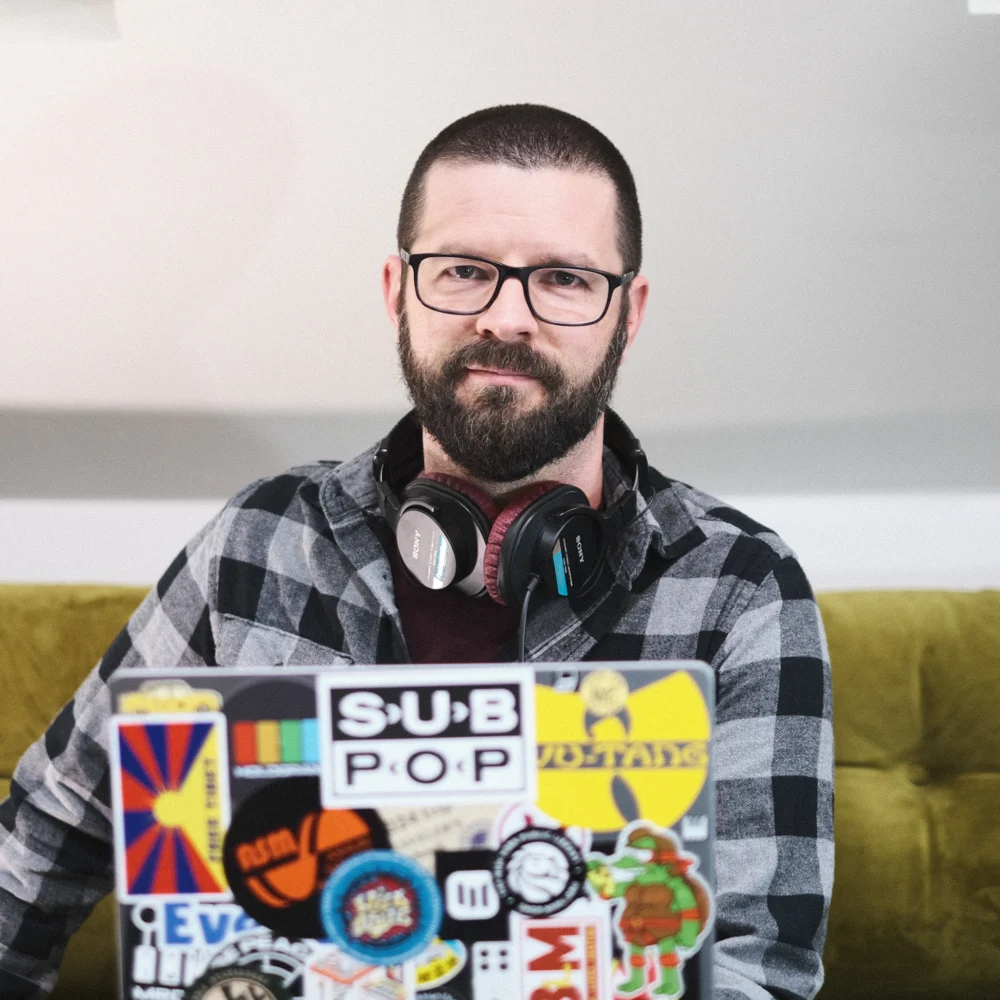
In an era defined by hyper-connectivity and an ever-expanding digital universe, understanding the prevailing trends in media consumption offers a crucial lens through which to analyze societal interests, technological influences, and evolving forms of narrative engagement. This comprehensive examination delves into the sonic tapestries, visual narratives, and textual explorations that are currently captivating audiences, providing insights into the forces shaping our collective cultural consciousness.

The audio sphere continues to be dominated by the pervasive influence of podcasts and the enduring power of streaming music services. Podcasts, once a niche medium, have ascended to mainstream prominence, offering an unparalleled diversity of content that caters to every imaginable interest. From in-depth investigative journalism and historical deep dives to comedic banter and educational discussions, podcasts provide an intimate and accessible form of information and entertainment. This accessibility is a key driver of their success; listeners can engage with their favorite shows during commutes, workouts, or any moment of downtime, seamlessly integrating them into their daily routines. The rise of podcasting has also democratized content creation, allowing individuals and independent producers to reach vast audiences without the traditional gatekeepers of established media. This has fostered a vibrant ecosystem of diverse voices and perspectives, contributing to the medium’s remarkable growth. The analytical depth offered by many podcasts, particularly those focused on current events, economics, and technology, positions them as significant sources of informal education and opinion formation for a substantial segment of the population. Furthermore, the serialized nature of many narrative podcasts encourages sustained engagement, fostering dedicated fan bases and creating a sense of community around shared listening experiences.

Simultaneously, the music industry, largely dictated by algorithmic curation and vast digital libraries, sees a continuous churn of genres and artists gaining traction. While blockbuster pop acts continue to command significant attention, there is a discernible resurgence of interest in genres that emphasize lyrical substance and instrumental complexity. This suggests a desire among listeners for more than just ephemeral sonic pleasures; there is an underlying appreciation for artistry and craftsmanship. The ability to access virtually any song ever recorded at a moment’s notice has, paradoxically, led some listeners to seek out more curated and intentional listening experiences. This has fueled the growth of niche genres and independent artists who may not have the marketing budgets of major labels but cultivate dedicated followings through authenticity and unique artistic expression. The integration of music into other forms of media, such as social media challenges and film soundtracks, also plays a significant role in shaping listening habits, introducing new artists and songs to a wider audience. The economic models surrounding music streaming continue to be a subject of ongoing debate, but their ubiquity has undeniably reshaped how music is discovered, consumed, and valued.

On the visual front, the landscape is characterized by the duopoly of streaming services and the continued evolution of short-form video content. Subscription-based video-on-demand (SVOD) platforms have revolutionized television consumption, shifting the paradigm from scheduled broadcasting to on-demand binge-watching. This has led to an increased demand for high-quality, serialized content, often with cinematic production values, blurring the lines between television and film. The sheer volume of available programming on these platforms necessitates a degree of curation and discernment from viewers, leading to the emergence of sophisticated recommendation algorithms and a growing reliance on critical reviews and social discourse to navigate the options. The global reach of these platforms also means that cultural trends are increasingly internationalized, with successful shows from one region rapidly gaining popularity worldwide. This cross-pollination of content offers a fascinating glimpse into the diverse storytelling traditions and aesthetic sensibilities that resonate across different cultures. The investment in original programming by these platforms has also spurred innovation in narrative structures and visual storytelling, pushing the boundaries of what is considered conventional television.

Concurrently, the explosive growth of short-form video platforms has fundamentally altered how audiences engage with visual media, particularly younger demographics. These platforms prioritize brevity, immediate gratification, and highly shareable content, fostering a culture of rapid consumption and viral trends. While often perceived as purely entertainment-driven, these platforms have also become powerful conduits for news dissemination, social commentary, and educational snippets. The algorithms governing these platforms are designed to maximize user engagement, leading to a highly personalized and often addictive viewing experience. The rapid pace of content creation and consumption on these platforms presents both opportunities and challenges for creators and audiences alike. For creators, it offers a direct channel to a massive audience, but it also demands constant innovation and adaptation to maintain visibility. For audiences, it provides a seemingly endless stream of easily digestible content, but it can also contribute to shortened attention spans and a potential superficiality in engagement. The impact of these platforms on traditional media industries and the broader information ecosystem is a subject of ongoing critical analysis.

The literary world, while perhaps less immediately influenced by rapid technological shifts than audio or visual media, is experiencing its own dynamic transformations. Digital reading platforms and e-books have become firmly entrenched, offering unparalleled convenience and portability. However, this digital shift has not led to the demise of the physical book; rather, it has created a dual ecosystem where both formats coexist, each catering to different preferences and contexts. The rise of independent bookstores and the resurgence of interest in curated literary experiences suggest a counter-movement towards tangible engagement and expert recommendation, pushing back against the sheer volume of readily available digital content. Online literary communities and book review sites have also become integral to the discovery process, fostering dialogue and influencing purchasing decisions. This interconnectedness allows readers to engage with literature on a more communal level, sharing insights and recommendations.

Furthermore, genres that explore complex societal issues, personal introspection, and speculative futures appear to be resonating strongly. This suggests an audience grappling with contemporary challenges and seeking narratives that offer both escape and understanding. The increasing prevalence of diverse voices and perspectives within published literature is also a significant development, reflecting a broader societal demand for representation and a more inclusive literary canon. The influence of social media book clubs and viral literary trends, such as the "BookTok" phenomenon, demonstrates the power of digital communities in shaping reading habits and promoting specific titles. These trends highlight the evolving nature of literary influence, where grassroots movements and digital word-of-mouth can rival traditional marketing strategies. The continued exploration of hybrid literary forms, blending traditional prose with visual elements or interactive components, also points towards an innovative future for written narratives.

The interplay between these various media forms is increasingly significant. Podcasts often serve as companions to television shows, offering behind-the-scenes insights or deeper dives into plot points. Short-form videos are used to promote books and films, creating viral buzz and driving consumer interest. Digital reading platforms often integrate social features, allowing users to share their reading progress and discuss books with others. This cross-pollination of content and engagement strategies creates a dynamic and interconnected media environment. Understanding these interwoven trends is essential for anyone seeking to comprehend the contemporary cultural zeitgeist and the forces shaping our collective attention and imagination. The constant evolution of these platforms and content formats suggests that this is a landscape that will continue to be defined by innovation, adaptation, and the enduring human desire for compelling stories and meaningful engagement. As technology advances and audience behaviors shift, the ways in which we consume and interact with information and entertainment will undoubtedly continue to evolve, offering fertile ground for further analysis and exploration. The current snapshot reveals a consumer base that is simultaneously seeking depth and breadth, comfort and challenge, and a sense of connection within an increasingly fragmented media environment.

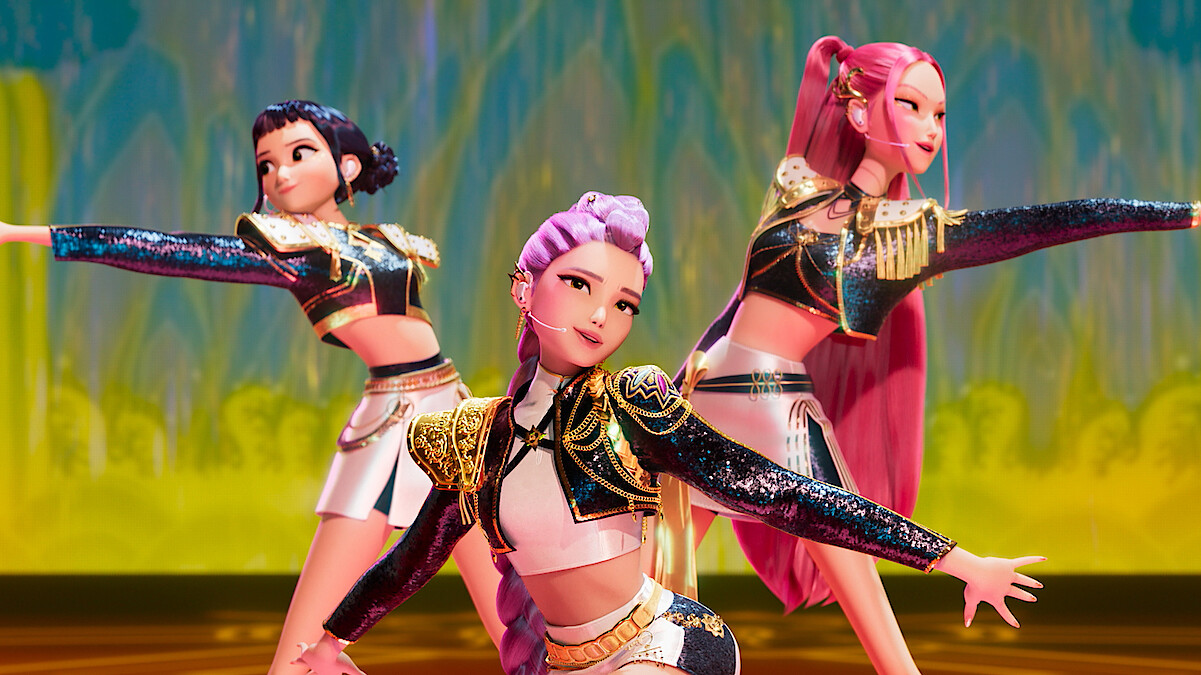


 Ayu Aulia
 Ridwan Kamil
 Safa Marwah
 Lisa Mariana