Safa Marwah
A newly discovered severe security vulnerability, enabling unauthenticated attackers to remotely bypass authentication and install malicious firmware on select TP-Link Archer NX series routers, has prompted an urgent patch release from the networking giant, underscoring persistent challenges in device security and the broader landscape of actively exploited network infrastructure flaws. This critical lapse, among several addressed in recent updates, mandates immediate user action to mitigate significant risks of complete device compromise and network infiltration.
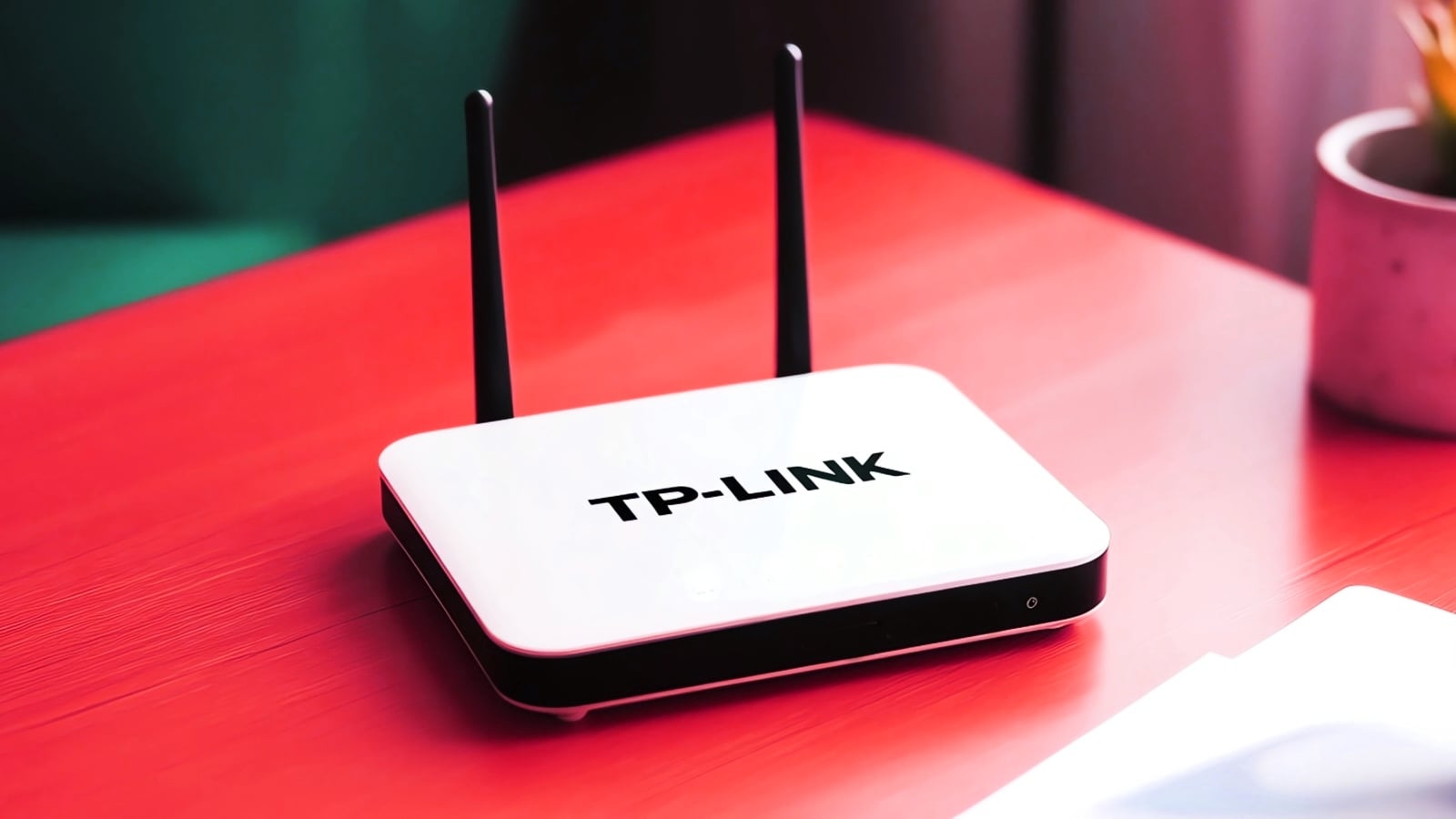
The foundational security of any digital environment often begins at the network perimeter, where devices like routers serve as the primary gateway for all inbound and outbound traffic. Given their pivotal role, the integrity and resilience of these devices are paramount. Recent disclosures from TP-Link, a prominent manufacturer of networking equipment, have brought to light a series of critical vulnerabilities within its Archer NX router series, most notably a severe authentication bypass tracked as CVE-2025-15517. This particular flaw represents a profound threat, as it allows unauthorized individuals to circumvent security protocols and potentially inject malicious firmware, thereby granting them complete control over affected devices. The impacted models—Archer NX200, NX210, NX500, and NX600—are widely deployed, amplifying the potential scope of exploitation.
The Mechanism and Ramifications of Unauthenticated Firmware Upload (CVE-2025-15517)
At the heart of CVE-2025-15517 lies a fundamental design flaw: a missing authentication check within the HTTP server handling specific Common Gateway Interface (CGI) endpoints. In essence, the router’s web interface, which is typically protected by user credentials, failed to verify the identity of a requester before processing certain commands. This oversight permits an unauthenticated attacker to execute privileged HTTP actions, including critical operations like firmware uploads and configuration modifications, without requiring any prior authorization.
The implications of such a vulnerability are far-reaching and severe. An attacker exploiting this flaw could:
- Achieve Persistent Control: By uploading custom, malicious firmware, an attacker can embed backdoors that survive reboots and even factory resets, establishing a persistent foothold within the network. This allows for continuous surveillance, data exfiltration, or the recruitment of the device into a botnet.
- Facilitate Network Infiltration: A compromised router acts as a perfect pivot point. Attackers can leverage it to launch further attacks against other devices connected to the local network, bypassing internal firewalls and security measures. This could lead to data theft from connected computers, smart devices, or network-attached storage (NAS).
- Disrupt Critical Services: Malicious firmware could be designed to interfere with network traffic, redirect users to phishing sites via DNS manipulation, or even render the device inoperable, leading to denial of service for connected users.
- Escalate to Broader Campaigns: Routers are frequently targeted for inclusion in large-scale botnets, which are then used for distributed denial-of-service (DDoS) attacks, spam distribution, or cryptocurrency mining. The ability to unauthentically install firmware drastically lowers the bar for such large-scale compromise.
This type of vulnerability is particularly insidious because routers are often "set and forgotten" devices, rarely updated by average users, making them attractive targets for long-term exploitation by sophisticated threat actors or automated botnet operations.
Anatomy of Additional Vulnerabilities Patched
Beyond the critical authentication bypass, TP-Link’s recent security updates also addressed several other significant vulnerabilities, underscoring a multi-faceted approach to enhancing device security:
-
Hardcoded Cryptographic Key (CVE-2025-15605): This vulnerability involved the presence of a hardcoded cryptographic key within the configuration mechanism. Hardcoded keys are a severe security anti-pattern because they are static and can be reverse-engineered from firmware, making them publicly known to anyone who analyzes the device’s software. Once known, an authenticated attacker could decrypt configuration files, modify their contents (e.g., alter network settings, change administrator passwords, or insert malicious scripts), and then re-encrypt them for re-upload. While this flaw required prior authentication, its existence provided a critical avenue for privilege escalation and persistent manipulation for an attacker who had already gained initial access through other means, such as phishing or brute-forcing weak credentials.
-
Command Injection Vulnerabilities (CVE-2025-15518 and CVE-2025-15519): These two distinct flaws enabled threat actors with administrative privileges to execute arbitrary commands on the router’s underlying operating system. Command injection occurs when an application constructs a system command using external input without proper sanitization, allowing an attacker to inject and execute their own commands. While requiring admin access, these vulnerabilities are still highly dangerous. If an attacker gains admin credentials (perhaps via the hardcoded key flaw, a default password, or a phishing attack), these injection points grant them complete, unbridled control over the device. This could be used for installing rootkits, creating new user accounts, disabling security features, or even turning the router into a covert data exfiltration hub.
The comprehensive nature of these patches highlights a significant security overhaul, but also points to systemic issues in the development lifecycle that allowed such fundamental flaws to persist.
Manufacturer Responsibility and Patching Dynamics
The cadence and transparency of vulnerability disclosure and patching by hardware manufacturers are critical components of the cybersecurity ecosystem. TP-Link’s latest actions, while commendable for addressing these serious flaws, occur within a broader context of scrutiny regarding their historical responsiveness. The company has "strongly" recommended that customers download and install the latest firmware, explicitly stating that it "cannot bear any responsibility for consequences that could have been avoided by following this advisory." This strong language underscores the urgency and the expectation that users will actively manage their device security.
However, TP-Link’s track record has faced criticism. In a prior incident in September, the company was compelled to rapidly deploy patches for a zero-day vulnerability impacting multiple router models. This expedited response reportedly came after a previous failure to release patches following an initial report in May 2024. The unpatched security flaw during that period allowed attackers to intercept or manipulate unencrypted network traffic, reroute DNS queries to malicious servers, and inject malicious payloads into web sessions, demonstrating the severe real-world consequences of delayed patching. Such instances raise questions about internal security development processes, the effectiveness of bug bounty programs, and the responsiveness to external security researchers.
A Pattern of Exploitation: TP-Link in the CISA KEV Catalog
The recurring nature of TP-Link vulnerabilities being actively exploited in the wild is a significant concern. The U.S. Cybersecurity and Infrastructure Security Agency (CISA) plays a crucial role in alerting organizations and the public to such threats through its Known Exploited Vulnerabilities (KEV) catalog. Inclusion in the KEV catalog signifies that a vulnerability has been observed under active exploitation, making it a critical priority for remediation by federal agencies and a strong recommendation for all other organizations.
In September, CISA added two other TP-Link flaws, CVE-2023-50224 and CVE-2025-9377, to its KEV catalog. These vulnerabilities have been actively exploited by the Quad7 botnet, a sophisticated cybercriminal operation that leverages compromised routers for various nefarious activities, including launching DDoS attacks, proxying malicious traffic, and facilitating other illicit operations. The recruitment of routers into botnets is a common strategy due to their always-on nature, often weak default security, and the difficulty users face in detecting compromise.
In total, CISA has flagged six distinct TP-Link vulnerabilities as actively exploited in attacks. The oldest among these, CVE-2015-3035, a directory traversal vulnerability affecting multiple Archer devices, highlights a long-standing history of security deficiencies that have been leveraged by attackers over nearly a decade. This historical pattern suggests that TP-Link products have consistently been attractive targets for threat actors, necessitating heightened vigilance from both the manufacturer and its user base.
Geopolitical and Legal Dimensions: The Texas Lawsuit
The security concerns surrounding TP-Link devices have transcended purely technical discussions, entering the realm of legal and geopolitical scrutiny. In February, the Texas Attorney General, Ken Paxton, initiated a lawsuit against TP-Link Systems, alleging deceptive marketing practices. The lawsuit accused the company of promoting its routers as secure while simultaneously allowing Chinese state-sponsored hacking groups to exploit firmware vulnerabilities, thereby gaining unauthorized access to users’ devices.
This legal action brings a critical dimension to the discussion: the intersection of cybersecurity, consumer protection, and national security. Allegations of state-sponsored exploitation raise profound questions about supply chain integrity, the potential for backdoors, and the trustworthiness of hardware originating from specific geopolitical regions. For consumers, such claims undermine confidence in product security and the ability of manufacturers to adequately protect their data and privacy. For governments, they highlight the strategic importance of secure network infrastructure and the need for robust regulatory oversight over devices that form the backbone of modern communication. The lawsuit underscores that router security is not merely a technical issue but a matter with significant societal and economic ramifications.
Enhanced User Recommendations and Proactive Security Posture
Given the persistent and severe nature of these vulnerabilities, users of TP-Link routers, particularly the affected Archer NX series, must adopt a highly proactive security posture:
- Immediate Firmware Update: The most critical step is to download and install the absolute latest firmware version provided by TP-Link. Users should access their router’s administration panel, navigate to the firmware update section, and follow the manufacturer’s instructions carefully.
- Strong, Unique Credentials: Change default administrator usernames and passwords immediately. Use strong, unique passwords that combine letters, numbers, and symbols, and avoid reusing passwords across different services.
- Disable Remote Management: Unless absolutely necessary, disable remote management features that allow access to the router’s administrative interface from outside the local network. This significantly reduces the attack surface.
- Regular Monitoring: Periodically check router logs for unusual activity or unauthorized access attempts. While not always user-friendly, familiarizing oneself with typical log entries can help spot anomalies.
- Network Segmentation: For advanced users or small businesses, consider segmenting the network into different VLANs (Virtual Local Area Networks) to isolate critical devices from less secure ones (e.g., IoT devices on a separate network).
- Review Router Security Settings: Explore the router’s security settings. Ensure that features like WPA3 encryption are enabled for Wi-Fi, and consider implementing guest networks for visitors.
- Consider Router Lifespan: Recognize that older routers may no longer receive security updates, making them increasingly vulnerable. Plan to replace devices that have reached their end-of-life (EOL) or are no longer supported by the manufacturer.
- Vendor Selection: When purchasing new networking equipment, prioritize manufacturers with a strong, transparent security track record, a commitment to timely patching, and clear communication channels for vulnerability disclosures.
Future Outlook: The Evolving Landscape of Router Security
The ongoing saga of TP-Link vulnerabilities serves as a potent reminder of the escalating importance of router security in an increasingly interconnected world. As more devices become "smart" and rely on network connectivity, the router’s role as the central nervous system of the digital home or small office grows. This makes it an ever-more attractive target for a diverse array of threat actors, from opportunistic script kiddies to sophisticated state-sponsored groups.
The industry is slowly moving towards "Secure by Design" principles, advocating for security to be integrated from the initial stages of product development rather than bolted on as an afterthought. This includes robust code auditing, penetration testing, and the adoption of secure development lifecycle (SDL) practices. Furthermore, regulatory bodies and consumer protection agencies are likely to increase their scrutiny of IoT and networking device security, potentially leading to stricter standards and greater accountability for manufacturers.
For users, continuous vigilance, prompt application of updates, and adherence to best practices will remain indispensable. The battle for network integrity is a perpetual one, requiring active participation from both device producers and consumers to collectively raise the bar against pervasive cyber threats. The latest critical TP-Link flaw underscores that complacency in router security is a luxury no user can afford.




 Aura Kasih
 Lisa Mariana
 Ayu Aulia