Lisa Mariana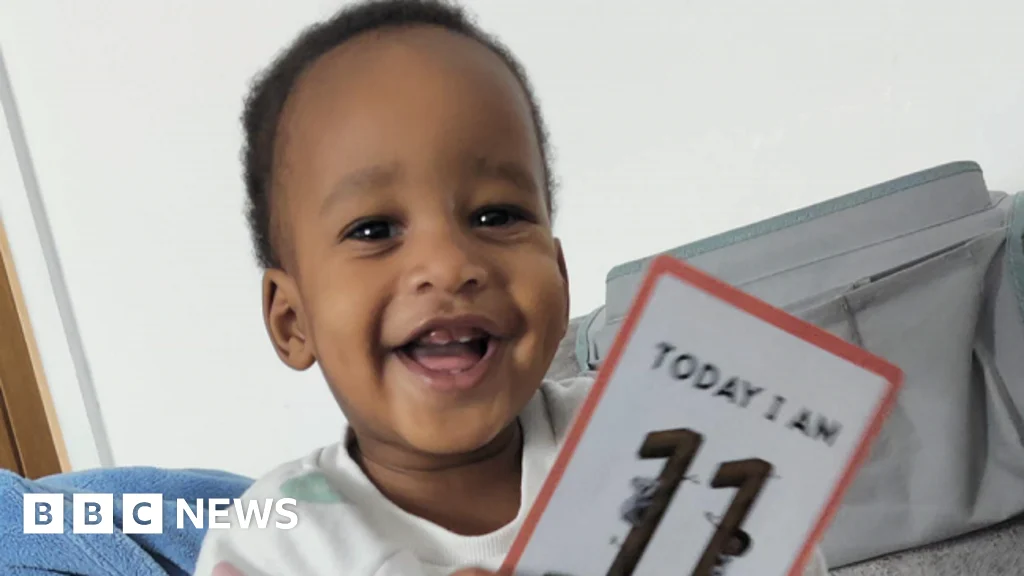
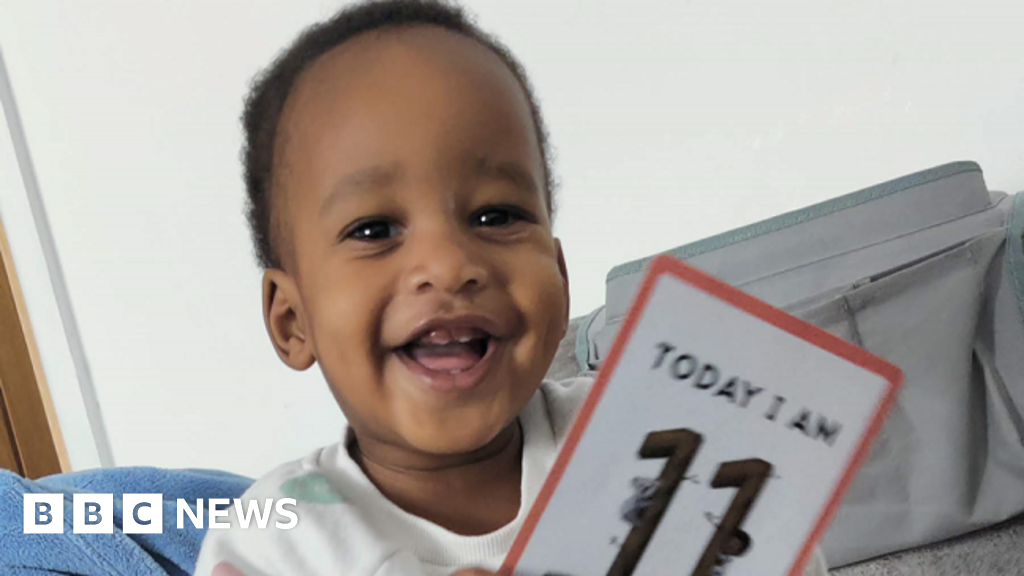
A profound and deeply disturbing case has reached a significant legal juncture as a Dudley-based childcare provider, Fairytales Day Nursery, formally admitted responsibility for the corporate manslaughter of a 14-month-old child, Noah Sibanda, who tragically died while under its care. This admission, alongside a related health and safety violation plea, marks a critical development in a case that has sent shockwaves through the community and the childcare sector, underscoring the severe consequences of negligent practices within institutions entrusted with the welfare of vulnerable children.
The devastating incident unfolded in December 2022 at the now-defunct Fairytales Day Nursery, located on Bourne Street in Dudley. Young Noah Sibanda’s death stemmed from being restrained in an unsafe manner during a designated sleep period. The corporate entity, Fairytales Day Nursery, entered a guilty plea to the charge of corporate manslaughter and a distinct health and safety offense at Wolverhampton Crown Court. Concurrently, Deborah Latewood, aged 55, the proprietor and director of the facility, also admitted culpability for a health and safety breach, acknowledging that she ought to have been aware of the dangerous sleeping positions being employed for children under her nursery’s supervision. These admissions follow an earlier guilty plea by nursery employee Kimberley Cookson, 23, who conceded to gross negligence manslaughter, having attempted to induce Noah to sleep by positioning him face-down on a soft cushion and using her leg to restrain him.
Initially, a trial for Latewood and the nursery had been scheduled for April. However, these recent changes in plea have averted that process, bringing an expedited resolution to this phase of the legal proceedings. Latewood’s admission was predicated on the understanding that while she did not possess direct knowledge of the hazardous sleeping practices, her position of authority and oversight meant she bore responsibility for failing to identify and rectify such critical safety lapses. The Crown Prosecution Service (CPS) presented compelling evidence, including surveillance footage, which depicted Noah tightly encased in a sleeping bag, with a blanket covering his head, and then placed face-down by Cookson in an apparent attempt to force him into slumber against his will.
Tragically, it was subsequently discovered that Noah had ceased breathing. Emergency medical services were immediately summoned, but despite their efforts, the young boy was pronounced dead upon arrival at the hospital. Both Deborah Latewood and Kimberley Cookson, residents of Dudley, along with the corporate entity of Fairytales Day Nursery, are slated for sentencing on April 16. The specific charges acknowledged by the defendants encompass a range of serious offenses reflecting both individual and institutional failings.
Alex Johnson, speaking on behalf of the Crown Prosecution Service, characterized the case as profoundly distressing, articulating it as "every parent’s worst nightmare" when entrusting a young child to a nursery’s care. Johnson emphasized that Noah Sibanda’s untimely death was a direct consequence of "reckless and dangerous sleeping practices" that presented an unequivocal and grave risk of harm. The prosecution’s case was buttressed by comprehensive evidence, including critical CCTV footage and expert medical assessments, which unequivocally demonstrated that Noah was positioned in a manner that severely impeded his respiratory function and freedom of movement. The CPS contended that these methods fostered a "suffocating environment," from which a 14-month-old child was inherently incapable of extricating himself. Johnson underscored the fundamental duty of childcare providers to safeguard the children in their care, asserting that this tragic case starkly illustrates the catastrophic repercussions when that essential duty is abrogated.
Broader Implications and the Landscape of Childcare Regulation
This case transcends the immediate tragedy, casting a scrutinizing light on the broader regulatory framework and operational standards within the childcare industry. The concept of corporate manslaughter, under which Fairytales Day Nursery was charged, signifies a critical legal instrument designed to hold organizations accountable for fatalities resulting from gross breaches of duty of care. Unlike individual manslaughter charges, corporate manslaughter focuses on systemic failures within an organization’s management and operations that lead to a death. This particular charge underscores the principle that responsibility for safety extends beyond individual employees to the highest levels of management and corporate governance.
In the United Kingdom, childcare facilities, including day nurseries, are rigorously regulated by Ofsted (the Office for Standards in Education, Children’s Services and Skills). Ofsted’s role involves inspecting and regulating services that care for children and young people, and services that provide education and skills for learners of all ages. This includes establishing stringent standards for child safety, staff-to-child ratios, staff qualifications, and, crucially, safe sleep practices. The details emerging from the Fairytales Day Nursery case suggest a catastrophic breakdown in adherence to these fundamental safety protocols.
Understanding Safe Sleep Guidelines and Best Practices
Standard safe sleep guidelines for infants and toddlers are universally accepted and widely promoted by health organizations worldwide. These guidelines typically advocate for placing infants on their back to sleep, in a clear sleep space free from loose bedding, soft toys, or bumpers that could pose a suffocation risk. The use of sleep sacks is generally recommended as a safe alternative to blankets, provided they are appropriately sized and do not restrict movement or pose a risk of overheating. Placing a child face-down, especially on a soft surface, and then restraining them, directly contravenes every established principle of safe sleep and significantly elevates the risk of Sudden Unexplained Death in Infancy (SUDI) or accidental suffocation. The actions described in this case represent a profound deviation from these critical safety standards, highlighting a severe lapse in both training and supervision.
The Weight of Corporate Accountability
The admission of corporate manslaughter by Fairytales Day Nursery carries significant weight. It acknowledges that the organization’s management or control was a substantial element in the breach of a relevant duty of care, leading to Noah’s death. This is distinct from individual culpability, where Kimberley Cookson faces charges for her direct actions. The concurrent admission by Deborah Latewood for a health and safety offense, specifically her failure to know about or prevent dangerous practices, underscores the responsibility of those in leadership positions to establish, monitor, and enforce robust safety protocols. This case serves as a powerful reminder that negligence at any level, from direct care to overarching management, can have devastating, irreversible consequences.
Expert Analysis: A Wake-Up Call for the Childcare Sector

From an analytical perspective, this case serves as a critical stress test for the entire childcare sector. It mandates a rigorous re-evaluation of training methodologies, supervisory oversight, and internal auditing processes within nurseries. While individual training for safe sleep practices is standard, the incident at Fairytales Day Nursery suggests that either the training was insufficient, not consistently applied, or not adequately supervised. The existence of CCTV footage proving the dangerous practices indicates a failure in supervisory checks and balances. For premium intelligence publications, this incident is not merely a local tragedy but a systemic indicator of potential vulnerabilities across the industry. It prompts questions about the frequency and depth of internal audits, the effectiveness of reporting mechanisms for staff concerns, and the proactive measures taken by owners and directors to ensure strict adherence to all safety regulations.
The legal outcomes of this case, particularly the sentencing, will likely set a precedent and send a clear message regarding the severity with which such breaches of duty of care are treated. It is anticipated that the sentences will reflect the gravity of the offense, encompassing not only punitive measures but also a strong deterrent effect for other childcare providers.
Future Outlook and Preventative Measures
Looking forward, the repercussions of this case are expected to catalyze enhanced scrutiny and potentially more stringent enforcement within the childcare sector. Regulatory bodies like Ofsted may intensify their inspection regimes, focusing more acutely on sleep safety protocols, staff training efficacy, and management oversight. For existing nurseries, this tragic event should serve as an immediate impetus to review and, if necessary, overhaul their safety policies, ensuring that every staff member is not only trained but also consistently monitored for compliance with best practices, particularly concerning child sleep.
The emotional and psychological toll on Noah Sibanda’s family is immeasurable. Beyond the legal ramifications, this case highlights the profound trust parents place in childcare providers and the devastating impact when that trust is shattered. It reinforces the imperative for every childcare institution to cultivate a culture of uncompromising safety, where the well-being of every child is the paramount concern, and where vigilance against negligence is a continuous, unwavering commitment. The memory of Noah Sibanda must serve as a perpetual reminder of the sacred responsibility inherent in caring for the youngest and most vulnerable members of society.



 Safa Marwah
 Aura Kasih
 Ayu Aulia