Lisa Mariana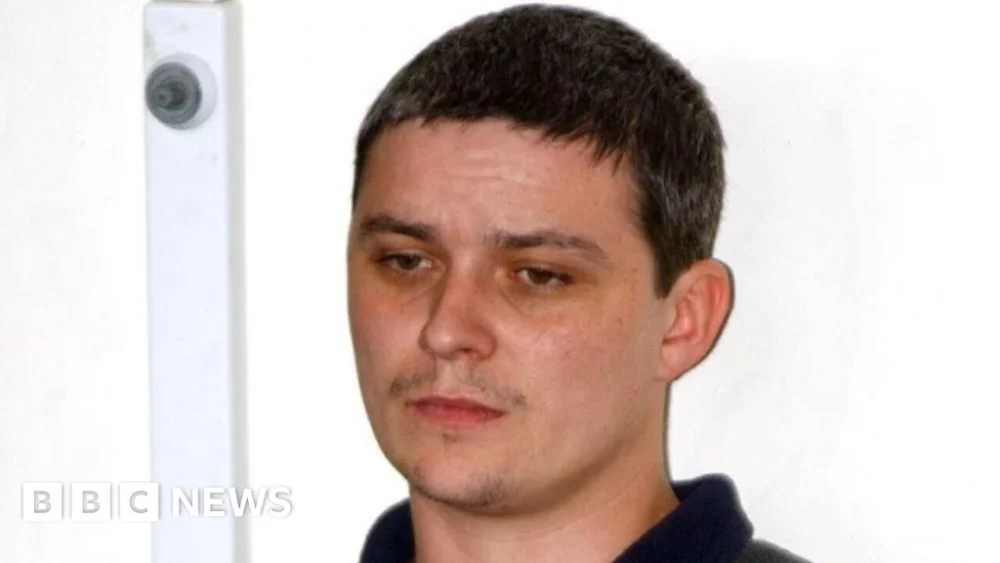
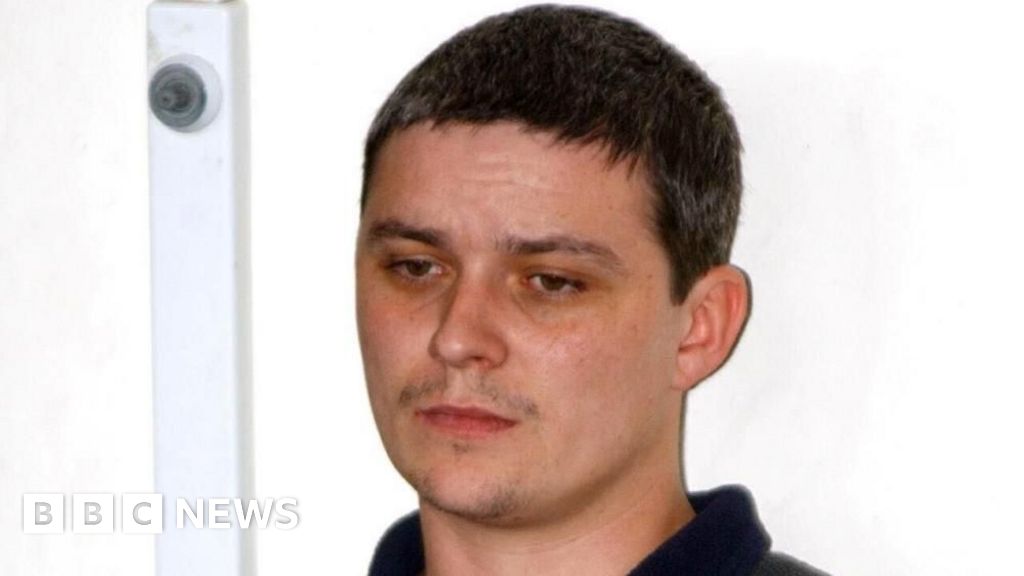
The perpetrator of the notorious Soham murders, Ian Huntley, has died after sustaining severe injuries during an attack by another inmate within the confines of HMP Frankland, marking a grim conclusion to the life of one of the United Kingdom’s most reviled criminals. Huntley, aged 52, had been receiving critical medical care since the assault on February 26, which left him with significant head trauma, ultimately leading to the cessation of his life support. His death closes a dark chapter, nearly two decades after his conviction for the brutal killings of ten-year-old schoolgirls Holly Wells and Jessica Chapman, a case that profoundly shocked the nation and irrevocably altered perceptions of child safety.
Serving a life sentence with a mandated minimum term of 40 years for the double murders, Huntley’s incarceration was characterized by a consistent vulnerability to attacks from fellow prisoners, a consequence of the heinous nature of his crimes. Reports indicate that the latest, and ultimately fatal, assault involved a makeshift weapon, with sources identifying triple killer Anthony Russell, 43, as the primary suspect. The incident, which occurred in a workshop at the maximum-security facility in County Durham, reportedly left Huntley in a pool of blood, underscoring the constant peril faced by inmates convicted of child-related offences within the UK’s penal system.
The events of August 2002, which led to Huntley’s conviction, remain indelibly etched into the national consciousness. Holly Wells and Jessica Chapman, two best friends, vanished after attending a family barbecue in their quiet Cambridgeshire town of Soham. Their disappearance, believed to have occurred as they ventured out to purchase sweets, quickly escalated into a national emergency. Huntley, then a 28-year-old school caretaker residing in the town, lured the girls back to his home, where he subsequently murdered them. The poignant image of the two girls, clad in their matching red Manchester United football kits, became a symbol of the desperate search and a enduring reminder of the innocence lost.
The ensuing police investigation and public appeals were unprecedented in their scale and intensity. National headlines were dominated by the girls’ disappearance, galvanizing tireless searches across Soham and the expansive, flat fenland countryside of The Fens. The collective anxiety and hope that gripped the nation for a fortnight transformed into profound grief when, approximately two weeks after their disappearance, the girls’ bodies were discovered in a ditch situated some ten miles away, near the perimeter of RAF Lakenheath in Suffolk. Huntley was apprehended on the same day, marking the beginning of a legal process that would expose the depths of his depravity.
His trial captivated the public, culminating in his conviction and the imposition of a stringent minimum term of 40 years in prison. The complicity of his then-girlfriend, Maxine Carr, who was found guilty of conspiring to pervert the course of justice by providing a false alibi, added another layer of complexity to the tragic narrative. Carr, who was subsequently released from prison under a new identity, also faced intense public scrutiny and condemnation. The case not only highlighted a chilling act of betrayal of trust by someone in a position of responsibility within the community but also underscored critical failures in background checks for individuals working with children.
Huntley’s journey through the penal system was anything but uneventful. His status as a child murderer made him an immediate and perennial target for other inmates, leading to a series of assaults and incidents during his incarceration. These previous attacks, though not fatal, consistently demonstrated the precarious existence of such offenders within the prison environment, where a brutal hierarchy often prevails. The constant threat necessitates specialized management strategies by prison authorities, often involving segregation or placement in units designed to protect vulnerable inmates, yet even these measures proved insufficient in preventing the fatal assault at HMP Frankland. This latest incident will undoubtedly trigger a comprehensive internal investigation by the Prison Service and likely an independent inquiry, scrutinizing security protocols, staff deployment, and the overall management of high-risk prisoners.
The death in custody of a high-profile inmate like Huntley carries significant implications for the justice system. An investigation by the police, followed by a coroner’s inquest, is mandatory for any death occurring in prison. The suspected assailant, Anthony Russell, who is serving multiple life sentences for other horrific crimes, now faces the potential for further charges, possibly including murder or manslaughter, adding another layer to his already extensive criminal record. This situation raises pertinent questions regarding the effectiveness of inmate classification and the efficacy of preventative measures within maximum-security institutions designed to house the most dangerous individuals in society.
For the families of Holly Wells and Jessica Chapman, Huntley’s death may evoke a complex array of emotions. While it offers a definitive end to his physical existence, it does not diminish the profound and enduring grief caused by their loss. The absence of their daughters remains a perpetual wound, irrespective of the fate of their killer. However, for some, the demise of the perpetrator may represent a form of finality, an ultimate closure to the legal and emotional saga that has spanned nearly two decades.
Beyond the immediate repercussions, Huntley’s crimes left an indelible mark on British society, catalyzing significant reforms in child protection policies and practices. The Soham murders became a grim catalyst for the implementation of enhanced Disclosure and Barring Service (DBS) checks for individuals seeking employment in roles involving contact with children, fundamentally reshaping how institutions screen staff. The case underscored the insidious nature of certain threats and the imperative for vigilance, forever altering the national discourse on child safety.
The tragic narrative of Soham, culminating in Huntley’s death in prison, serves as a somber reminder of the devastating impact of such crimes and the complex challenges faced by the penal system in managing its most reviled inhabitants. While his passing closes a chapter on a deeply disturbing figure, the memory of Holly Wells and Jessica Chapman, and the lessons learned from their senseless deaths, continue to resonate, reinforcing the ongoing societal commitment to protecting the most vulnerable. This event, though concluding the life of a murderer, does not erase the pain he inflicted, nor does it diminish the enduring vigilance required to safeguard future generations.




 Ridwan Kamil
 Safa Marwah
 Aura Kasih
 Ayu Aulia