
 Lisa Mariana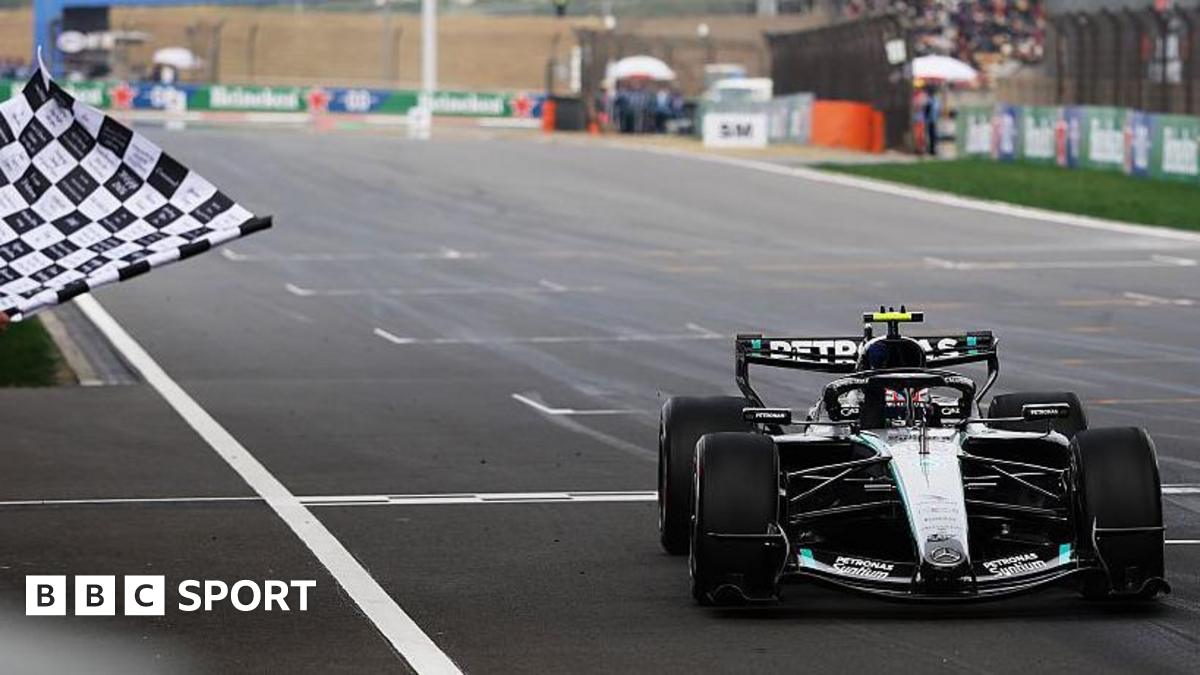
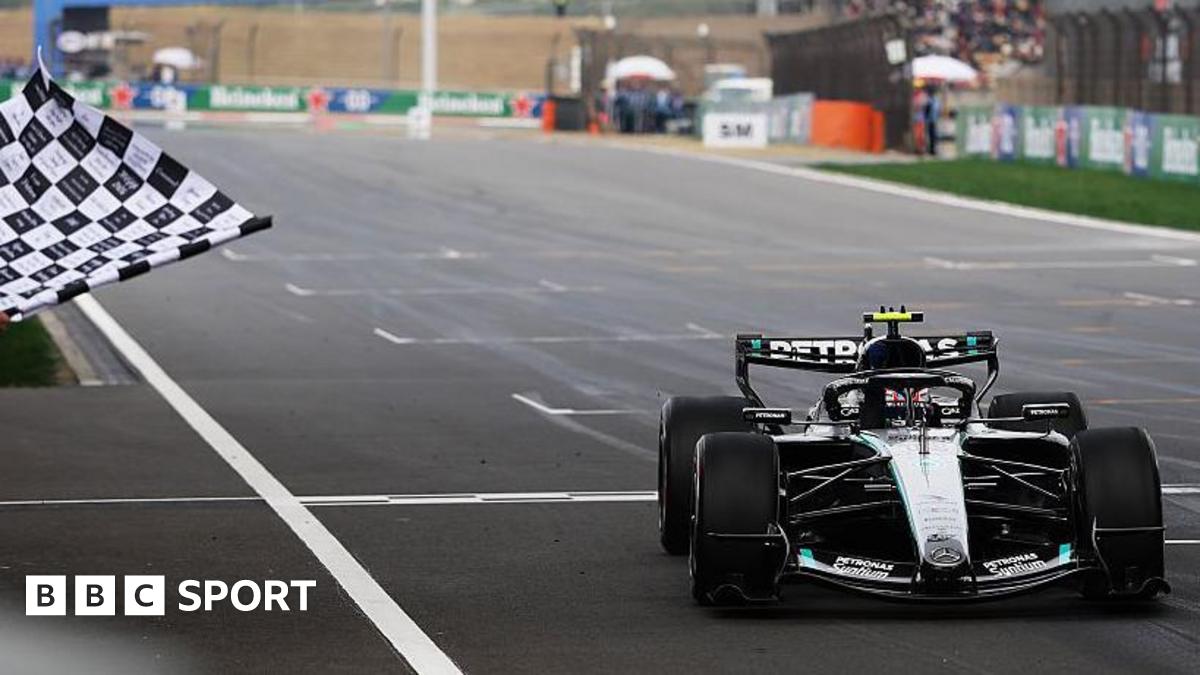
In a captivating spectacle at the Shanghai International Circuit, Mercedes-AMG Petronas F1 Team’s Kimi Antonelli etched his name into the annals of Formula 1 history, securing his maiden Grand Prix triumph at the 2026 Chinese Grand Prix. The Italian prodigy, having claimed pole position a day prior, led a dominant Mercedes 1-2 finish, with teammate George Russell expertly navigating a challenging race to secure second place and maintain his precarious lead in the drivers’ championship standings. The dramatic race also featured a fierce internal battle at Scuderia Ferrari, culminating in Lewis Hamilton achieving his first podium for the Maranello squad since his highly anticipated transfer at the start of the 2025 season, marking a significant milestone in his tenure with the Italian team.
The Shanghai International Circuit, renowned for its challenging combination of high-speed straights and complex technical sections, provided the ideal stage for Antonelli’s breakout performance. From the moment the lights went out, the 19-year-old demonstrated a maturity beyond his years, showcasing the exceptional talent that has seen him rapidly ascend through motorsport’s junior categories. His victory not only solidifies his position as one of Formula 1’s most promising new stars but also reaffirms Mercedes’ formidable strength in the 2026 season.
Antonelli’s Ascent: A New Era Dawns
Andrea Kimi Antonelli’s rapid progression through the motorsport ranks has been a subject of intense scrutiny and excitement, particularly within the Mercedes-Benz driver development program. Having bypassed Formula 3 directly into Formula 2, and then making an expedited jump to Formula 1, the pressure on the young Italian has been immense. His pole position on Saturday, making him the youngest ever F1 pole-sitter, was a clear indication of his raw pace and adaptability. However, converting that pole into a victory, especially under race conditions against seasoned competitors like George Russell and Lewis Hamilton, signifies a different level of psychological fortitude and strategic execution.
The race itself saw Antonelli momentarily cede his advantage at the start. The characteristic aggressive launch capabilities of the Ferrari power unit allowed both Lewis Hamilton and Charles Leclerc to surge forward, with Hamilton briefly snatching the lead from his third-place grid slot. This initial setback, however, did little to deter Antonelli. Displaying remarkable composure, he meticulously worked his way back, reclaiming the lead on the second lap with a decisive maneuver down the circuit’s notoriously long back straight. This demonstrated not only his car’s superior top-end speed but also his precise timing and confidence in wheel-to-wheel combat. The ability to recover from an imperfect start and dictate the race pace, even with a chasing teammate, underscores the emergence of a truly formidable competitor. His emotional post-race interview, where he visibly struggled to articulate the enormity of the moment, offered a rare glimpse into the human aspect of such extraordinary achievement, cementing his connection with a rapidly growing global fanbase.
Mercedes’ Strategic Mastery and Russell’s Championship Pursuit
The Mercedes-AMG Petronas F1 Team executed a near-flawless strategy that culminated in a dominant one-two finish, underscoring their potent combination of vehicle performance and tactical acumen. George Russell’s second-place finish was particularly crucial for his championship aspirations, maintaining a narrow four-point lead over his burgeoning teammate, Antonelli. Russell’s race, however, was far from straightforward, serving as a testament to his resilience and ability to recover from adverse situations.
The pivotal moment for Russell occurred during an early safety car period, triggered by the retirement of Lance Stroll’s Aston Martin. While the front-runners all opted for fresh tires, Russell’s pit stop sequence was compromised. Emerging from the pits, he found himself behind the Alpine of Franco Colapinto and the Haas of Esteban Ocon, both of whom had strategically chosen not to pit. The cold tires on the Mercedes compounded Russell’s difficulties during the restart, leading to several precarious moments and further loss of track position to both Ferrari drivers. This series of events cost Russell valuable time and track position, forcing him into a prolonged battle to regain second place.
For a significant portion of the race, Russell was effectively held up by the intense intra-team skirmish between Hamilton and Leclerc. This delay allowed Antonelli to build a commanding lead, extending it to nearly seven seconds by the time Russell finally cleared the Ferrari duo on lap 29. Despite a spirited pursuit in the latter stages, where Russell matched Antonelli’s fastest laps, the gap proved insurmountable. Antonelli’s disciplined drive, including managing a late-race lock-up without significant consequence, demonstrated his ability to maintain focus under pressure and respond to his teammate’s challenges. The Mercedes pit wall managed the situation expertly, allowing their drivers to race while ensuring optimal strategic calls, ultimately securing a maximum points haul for the Silver Arrows.
Ferrari’s Internal Duel: A Spectacle of Skill and Ambition
One of the most enthralling narratives of the Chinese Grand Prix was the captivating, multi-lap duel between Scuderia Ferrari teammates Lewis Hamilton and Charles Leclerc. Since Hamilton’s high-profile transfer to Ferrari for the 2025 season, the dynamic within the Maranello squad has been a subject of intense media and fan interest. In Shanghai, this internal rivalry erupted into a thrilling, no-holds-barred contest for third place, providing some of the most memorable on-track action of the event.
Following the safety car restart, Hamilton initially led Leclerc and Russell in a tight train. However, on lap 23, Leclerc executed a bold overtake into Turn 14, igniting a battle that would rage for the next 15 laps. What followed was a masterclass in aggressive yet fair racing, as the two Ferrari drivers swapped positions repeatedly, showcasing their immense talent and competitive drive. Overtakes occurred at various points of the circuit, from the sweeping first corner complex to the crucial hairpin, each maneuver a testament to their skill and the fine margins separating them.
This intense internal struggle, while undoubtedly thrilling for spectators, inadvertently played into Mercedes’ hands. The constant battling allowed Russell to close the gap, eventually enabling him to pass both Ferraris and consolidate second place. Once Russell was clear, the Ferrari duel resumed its focus, with both drivers seemingly determined to assert dominance over the other. Leclerc’s radio message, "That’s actually quite a fun battle," offered a glimpse into the drivers’ perspective, acknowledging the enjoyment even amidst fierce competition. Ultimately, Hamilton emerged victorious in their private skirmish, securing his first podium finish for Ferrari. This landmark achievement, while not a win, represents a significant step for Hamilton in his new chapter with the Italian marque, validating his move and providing momentum for future races. For Ferrari, the podium finish signals competitive pace, but the intensity of the internal battle raises questions about potential lost points in the constructor’s championship if such contests become a regular occurrence.
Midfield Battles and Unforeseen Retirements
Beyond the front-running teams, the Chinese Grand Prix was punctuated by significant performances and a remarkable number of retirements, shaping the points-scoring positions and championship narratives. Oliver Bearman, driving for Haas, delivered an outstanding performance to secure fifth place, navigating a fiercely contested midfield battle that included Pierre Gasly of Alpine and, for a significant portion, Max Verstappen of Red Bull. Bearman’s mature drive continues to highlight his potential as a future star, reinforcing Haas’s decision to entrust him with a full-time seat.
Max Verstappen’s retirement with approximately ten laps remaining was a rare and impactful moment, stripping the four-time champion of a likely sixth-place finish and potentially shifting the dynamics of the drivers’ championship. The exact cause of his Red Bull’s failure remains under investigation, but it signals a potential reliability concern that could prove costly as the season progresses. Liam Lawson, in a commendable drive for Racing Bulls, secured seventh place, further solidifying his reputation as a consistent points-scorer. Isack Hadjar, in the second Red Bull, finished eighth, followed by Williams’ Carlos Sainz in ninth and Franco Colapinto, who converted his early non-stop strategy into a valuable tenth place for Alpine.
However, the race was equally defined by the startling number of non-starters and retirements. McLaren suffered a particularly devastating blow, with both Lando Norris and Oscar Piastri failing to make it to the grid due to separate, yet equally critical, electrical problems. This double DNF before the race even began points to significant underlying technical issues within the McLaren camp, demanding urgent attention from their engineering department. Similarly, Alex Albon of Williams and Gabriel Bortoleto of Audi also did not start, exacerbating concerns about the reliability of the 2026 generation of Formula 1 cars.
Perhaps the most alarming retirement was that of Fernando Alonso, whose Aston Martin-Honda suffered from severe vibrations, ultimately forcing him to withdraw with 13 laps remaining. Television footage captured the veteran driver repeatedly taking his hands off the steering wheel on the straights, attempting to alleviate the discomfort. This incident brought to the forefront earlier warnings from Aston Martin Team Principal Adrian Newey, who had previously stated that the extreme vibrations from the Honda engine were so severe that drivers risked permanent nerve damage after as few as 25 laps. Alonso’s retirement underscores a critical safety and engineering challenge for Aston Martin and Honda, raising serious questions about the long-term viability and driver well-being if these issues persist. The implications of such a fundamental design flaw could be far-reaching, impacting not just performance but also driver health and team reputation.
Implications and Future Outlook
The 2026 Chinese Grand Prix has profoundly reshaped the early season narrative. Kimi Antonelli’s victory heralds a new generation of talent, positioning him as a legitimate championship contender alongside George Russell. The internal Mercedes dynamic, with two young, ambitious drivers battling for supremacy, promises a captivating season-long duel that could define an era. For Ferrari, Hamilton’s podium offers a glimmer of hope and validates his move, yet the intensity of his battle with Leclerc indicates that internal management will be as crucial as on-track performance.
The widespread reliability issues, particularly those affecting McLaren and the critical vibrations plaguing the Aston Martin-Honda package, highlight the immense engineering challenges posed by the current technical regulations. These concerns will undoubtedly prompt intense scrutiny and development efforts, as teams strive to balance performance with the imperative of driver safety and operational longevity. As Formula 1 moves to the next race, the reverberations of Shanghai will continue to be felt, setting the stage for an unpredictable and highly competitive championship.



 Ayu Aulia
 Ridwan Kamil
 Safa Marwah
 Aura Kasih