
 Ridwan Kamil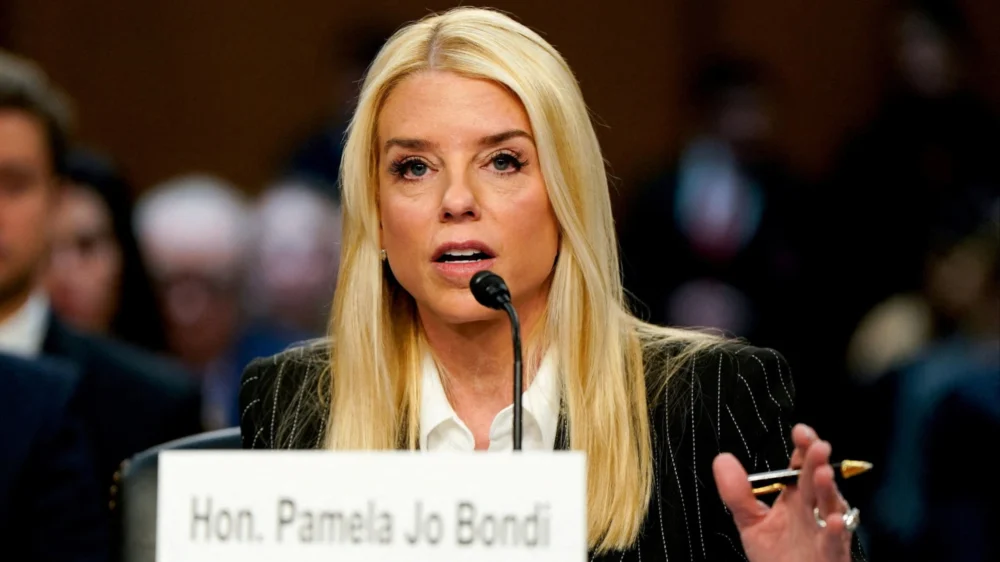
A key congressional committee has issued a subpoena for former Florida Attorney General Pam Bondi, demanding her testimony and the production of documents related to the Jeffrey Epstein investigation, signaling a significant escalation in legislative oversight concerning the late financier’s alleged sex trafficking network and its potential broader implications.
The move by the House Oversight Committee underscores a growing congressional imperative to fully unravel the intricate web of relationships and alleged complicity surrounding Jeffrey Epstein. The committee’s decision to subpoena Pam Bondi, who served as Florida’s Attorney General from 2011 to 2019, indicates a belief that her office may possess critical information or played a role in the handling of investigations into Epstein’s activities during her tenure. This action signifies a determined effort by lawmakers to pierce through any perceived barriers to transparency and accountability, aiming to understand the full scope of Epstein’s operations and any potential governmental oversights or failures that may have enabled them. The subpoena is not merely an investigative step but a potent signal that Congress is prepared to exert its full authority to compel the disclosure of information deemed vital to public interest and historical record.
Deepening the Investigation: The Rationale Behind the Subpoena
The House Oversight Committee’s decision to subpoena Pam Bondi is rooted in a broader, ongoing effort to scrutinize the investigations into Jeffrey Epstein and the alleged facilitating of his criminal enterprise. Committee members have expressed a desire to understand the extent to which Epstein may have received preferential treatment or faced insufficient legal scrutiny during various stages of investigations into his alleged crimes. Bondi’s time as Florida’s top law enforcement official coincides with a period during which Epstein was reportedly active and subject to investigations in the state.
Specifically, the committee is reportedly interested in communications and documents pertaining to any interactions between Bondi’s office and Epstein, his legal representatives, or individuals associated with him. This includes inquiries into whether any deals were struck, investigations were curtailed, or any other actions were taken that might have influenced the trajectory of legal proceedings against Epstein. The subpoena aims to ascertain whether there were any instances of political influence, prosecutorial discretion gone awry, or systemic failures that allowed Epstein to continue his alleged activities for an extended period.
Pam Bondi’s Tenure and the Epstein Case: A Timeline of Scrutiny
Pam Bondi’s tenure as Florida Attorney General was marked by significant legal battles and policy initiatives. During this period, Epstein, a financier with extensive connections in business and politics, faced accusations of sex trafficking of minors. While Epstein was arrested and faced federal charges in 2008 in Florida, a controversial non-prosecution agreement was reached, allowing him to serve a lenient sentence for state charges. He was later arrested again in New York in 2019 on federal sex trafficking charges, leading to his death in jail while awaiting trial.
The committee’s interest in Bondi stems from the fact that the period of her leadership in Florida overlapped with the aftermath of the initial 2008 plea deal and potential ongoing investigations or awareness of Epstein’s activities. Lawmakers are seeking to understand the decisions made by the Attorney General’s office during that time, particularly concerning any potential oversight of the initial plea deal, any subsequent investigations, or any communications with federal law enforcement agencies or Epstein’s legal team. The focus is on uncovering any actions or inactions that may have contributed to the perpetuation of Epstein’s alleged criminal conduct or that may indicate a failure to uphold justice.
Congressional Mandate: Oversight and Accountability
The House Oversight Committee, chaired by Representative Carolyn Maloney, has made the Epstein case a central focus of its investigative agenda. The committee’s broad mandate allows it to examine the efficiency and effectiveness of government operations, including the administration of justice. The subpoena issued to Pam Bondi is a powerful tool within this mandate, designed to compel cooperation and shed light on potentially opaque aspects of the Epstein saga.
The committee’s objective extends beyond simply examining past events; it seeks to identify systemic weaknesses in law enforcement and judicial processes that could be exploited by individuals engaged in illicit activities. By scrutinizing the actions of former state officials, Congress aims to draw lessons that can inform legislative reforms and enhance oversight mechanisms to prevent similar situations from recurring. The committee’s approach is characterized by a commitment to uncovering all relevant facts, regardless of the individuals or institutions involved, with the ultimate goal of ensuring accountability and restoring public trust in governmental institutions.
Broader Implications: Systemic Failures and Reforms
The subpoena to Pam Bondi is not an isolated event but part of a larger congressional effort to understand the systemic failures that allowed Jeffrey Epstein’s alleged crimes to persist for decades. Lawmakers are investigating not only the actions of individuals but also the broader legal and institutional frameworks that may have inadvertently or intentionally facilitated Epstein’s network. This includes examining the roles of various law enforcement agencies, prosecutors, and even the judiciary in handling cases involving powerful and well-connected individuals.
The investigations are likely to delve into issues such as prosecutorial discretion, plea bargaining practices, the influence of wealth and status on legal proceedings, and the effectiveness of inter-agency cooperation in combating complex criminal enterprises. The information sought from Bondi and others is intended to inform potential legislative reforms aimed at strengthening protections for victims, ensuring more robust investigations, and preventing the circumvention of justice by influential figures. The committee’s work is thus positioned as a critical examination of the integrity of the justice system itself.
Expert Analysis: The Power and Perils of Subpoenas
From an analytical perspective, the issuance of a congressional subpoena is a significant legal and political maneuver. It signifies that informal requests for information have been deemed insufficient, and that the committee believes testimony and documents are essential to its investigation. A subpoena carries the force of law, and non-compliance can lead to contempt of Congress charges, with potential penalties including fines and imprisonment.
For individuals like Pam Bondi, a subpoena necessitates a formal response, either by providing the requested information and testimony or by asserting legal privileges, such as the Fifth Amendment right against self-incrimination, though such claims are typically scrutinized closely in congressional proceedings. The process of responding to a subpoena can be lengthy and complex, involving legal counsel and careful consideration of the scope of the inquiry. The committee’s willingness to use this powerful tool indicates the high level of importance it places on understanding the full truth behind the Epstein scandal.
Future Outlook: Unraveling the Truth
The subpoena issued to Pam Bondi represents a critical juncture in the congressional investigation into Jeffrey Epstein. The information she may provide, along with the documents she is compelled to produce, could offer new insights into the handling of investigations during her tenure and potentially shed light on previously undisclosed aspects of the case.
The committee’s continued pursuit of transparency and accountability in the Epstein affair underscores a broader trend of heightened congressional oversight of matters involving alleged misconduct and systemic vulnerabilities. The outcome of this subpoena and the subsequent testimony will likely shape the ongoing narrative of the Epstein investigation and could have lasting implications for legal and governmental reform. As the investigation progresses, the public will be looking for definitive answers and a clear understanding of how such a vast and damaging enterprise was allowed to flourish. The committee’s determination suggests that it will continue to pursue every avenue to uncover the complete truth, ensuring that those responsible are held accountable and that safeguards are put in place to prevent future transgressions.




 Safa Marwah
 Aura Kasih
 Lisa Mariana
 Ayu Aulia