Ayu Aulia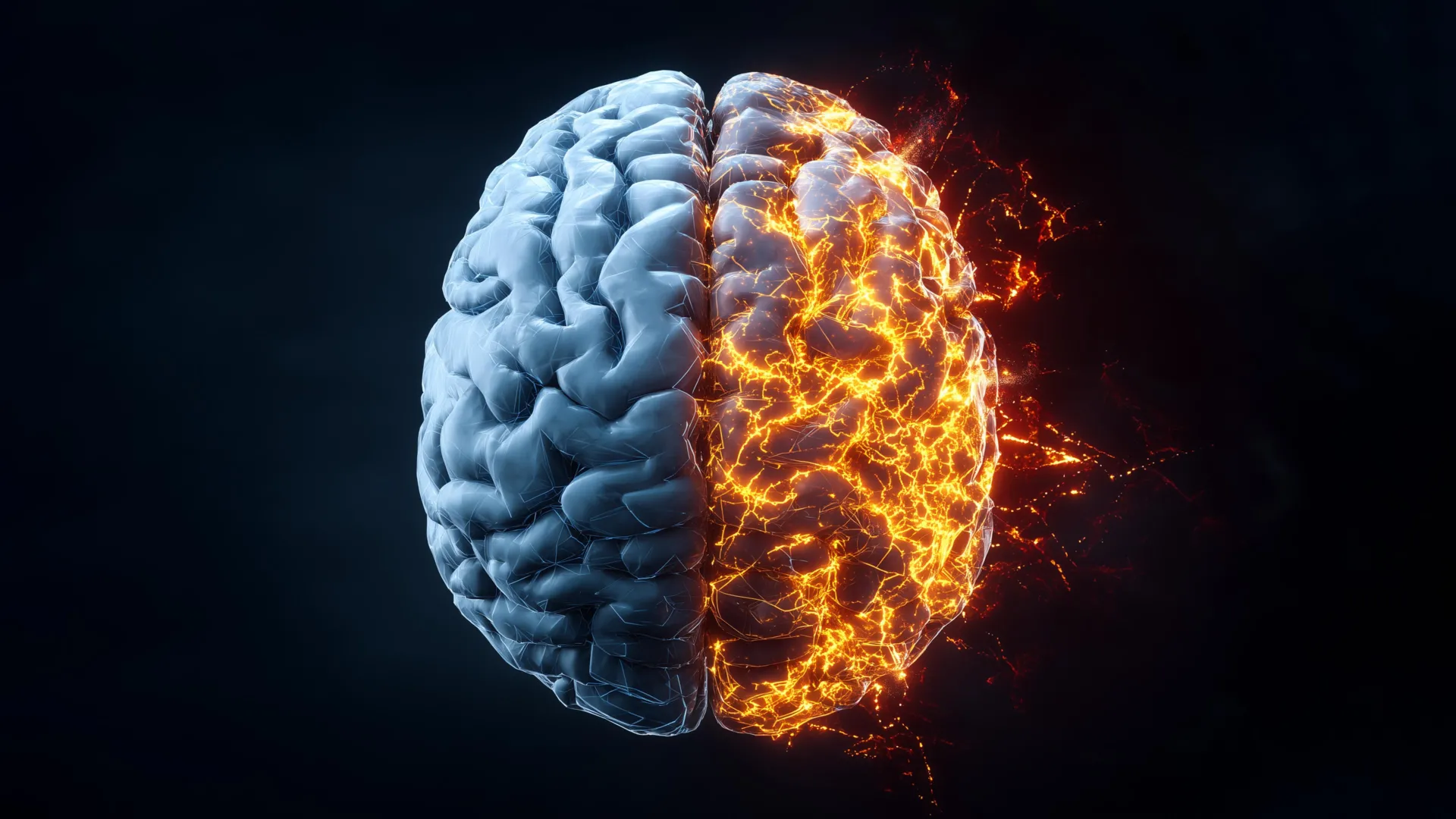
A pioneering investigation by researchers at Rice University has unveiled the inaugural comprehensive, label-free molecular atlas of the Alzheimer’s-affected brain in an animal model, providing unprecedented insights into the disease’s enigmatic onset and propagation. Alzheimer’s disease, a relentlessly progressive neurodegenerative disorder, continues to devastate millions globally, claiming more lives annually than breast and prostate cancers combined, underscoring the critical imperative for a deeper mechanistic understanding. For decades, the prevailing scientific focus has largely centered on the accumulation of amyloid-beta plaques and neurofibrillary tangles composed of tau protein as the primary drivers of pathology. However, the consistent failure of therapies exclusively targeting these aggregates suggests a more intricate underlying etiology. This groundbreaking work challenges conventional paradigms by demonstrating that the chemical hallmarks of Alzheimer’s extend far beyond localized protein deposits, manifesting as widespread, heterogeneous alterations across the entire cerebral landscape.
The innovative methodology at the heart of this discovery hinges upon the synergistic application of an advanced light-based imaging technique combined with sophisticated machine learning algorithms. The research team meticulously analyzed brain tissue samples derived from both healthy and Alzheimer’s-afflicted animal models. Their findings, meticulously documented in the prestigious journal ACS Applied Materials and Interfaces, reveal that the molecular shifts characteristic of Alzheimer’s are not merely confined to the well-known amyloid plaques. Instead, these intricate chemical modifications permeate the brain, exhibiting complex and spatially uneven distribution patterns that provide a fresh perspective on disease progression.
To meticulously discern these often-subtle molecular transformations, the scientists harnessed the power of hyperspectral Raman imaging. This highly refined variant of Raman spectroscopy employs a precisely focused laser to elicit and detect the unique vibrational "fingerprints" of molecules inherent within biological tissue. Unlike traditional histopathological methods that rely on external dyes or fluorescent markers, Raman spectroscopy directly interrogates the intrinsic chemical composition of the sample. "Conventional Raman spectroscopy typically acquires a single point measurement of chemical information for a specific molecular locus," elaborated Ziyang Wang, a doctoral candidate in electrical and computer engineering at Rice and a lead author on the study. "Hyperspectral Raman imaging elevates this process by repeating these measurements thousands of times across an entire tissue slice, constructing an exhaustive map. The resultant output is an exceptionally detailed tableau illustrating the variations in chemical composition across diverse cerebral regions." This unparalleled level of detail offers a window into the brain’s biochemical state with remarkable fidelity.
The research team undertook the ambitious task of scanning entire brain slices, compiling an immense volume of overlapping measurements to generate high-resolution molecular maps for both healthy and diseased neural tissue. A paramount advantage of this imaging approach is its label-free nature. This means the samples remained entirely untreated with artificial dyes, genetically engineered fluorescent proteins, or synthetic molecular tags. "This methodology allowed us to observe the brain in its unaltered, native state, capturing a complete and unperturbed portrait of its inherent chemical architecture," Wang affirmed. "We believe this inherently unbiased approach is supremely suited for uncovering novel disease-related changes that might otherwise elude detection through conventional, targeted methods." The absence of exogenous labels eliminates potential artifacts or interferences, providing a more authentic representation of the complex biochemical environment within the brain.
The sheer volume of data generated by this meticulous imaging process necessitated the deployment of advanced computational analysis, specifically machine learning (ML). The team initially employed unsupervised ML techniques, allowing algorithms to autonomously identify intrinsic patterns and clusters within the vast chemical signal datasets without any pre-existing assumptions or human bias. These models were tasked with categorizing tissue segments purely based on their inherent molecular characteristics. Subsequently, supervised ML models were trained to accurately differentiate between Alzheimer’s-affected and non-Alzheimer’s samples. This crucial step enabled the researchers to quantify the extent to which different brain regions exhibited Alzheimer’s-associated chemical signatures, thereby providing a more objective measure of disease impact across the cerebrum.
"Our analysis unequivocally demonstrated that the chemical alterations precipitated by Alzheimer’s disease are not uniformly distributed throughout the brain," Wang explained. "Certain regions exhibit pronounced chemical shifts, while others appear comparatively less affected. This observed heterogeneity helps to elucidate why clinical symptoms often emerge gradually and why therapeutic strategies singularly focused on a solitary pathological target have encountered limited success in clinical trials." This finding holds profound implications for understanding the differential vulnerability of brain regions and the complex progression of cognitive decline. It suggests that a one-size-fits-all treatment approach may be inherently insufficient, necessitating more nuanced, perhaps even personalized, interventions.
Beyond the well-established protein aggregation, the investigation revealed significant and broader metabolic distinctions between healthy and Alzheimer’s-diseased brains. Notably, the levels of crucial biomolecules such as cholesterol and glycogen exhibited considerable variation across different brain regions, with the most dramatic contrasts observed in areas critically involved in memory formation and retrieval, particularly the hippocampus and the cerebral cortex. The hippocampus, a seahorse-shaped structure deep within the temporal lobe, is vital for learning and memory, and is one of the first regions to show damage in Alzheimer’s. The cortex, the brain’s outer layer, is responsible for higher-level functions like thought, language, and voluntary movement.
"Cholesterol plays an indispensable role in maintaining the structural integrity of neuronal cell membranes and is crucial for synaptic function," stated Shengxi Huang, an associate professor of electrical and computer engineering and materials science and nanoengineering, and the corresponding author of the study. "Glycogen, on the other hand, functions as a critical local energy reserve for the brain, primarily stored in astrocytes." Huang, also affiliated with prominent research entities including the Ken Kennedy Institute, the Rice Advanced Materials Institute, and the Smalley-Curl Institute, further elaborated: "Taken collectively, these findings strongly support the emerging concept that Alzheimer’s disease involves a far broader spectrum of disruptions encompassing both brain structure and energy homeostasis, extending well beyond merely protein accumulation and misfolding." This expanded view suggests a systemic metabolic crisis underlying the neurodegeneration, rather than solely focusing on proteinopathies.
The genesis of this ambitious project emerged from a series of ongoing scientific discussions centered on pioneering new methodologies for investigating the Alzheimer’s brain. "Initially, our measurements were confined to relatively small, discrete areas of brain tissue," Wang recalled. "However, a compelling question arose: what if we could map the entirety of the brain, thereby gaining a vastly broader and more holistic perspective? It required several iterative rounds of testing, refinement, and a degree of trial-and-error before both the measurement protocols and the analytical framework achieved seamless integration and optimal performance." This iterative process underscores the scientific rigor and perseverance required to push the boundaries of current research capabilities.
The moment the complete chemical map of the Alzheimer’s brain finally coalesced, the scientific impact was immediate and profound. "Previously invisible patterns began to emerge, patterns that had remained elusive under standard imaging techniques," Wang recounted with palpable enthusiasm. "Witnessing those results was immensely gratifying. It felt akin to unveiling a hidden stratum of information that had existed all along, patiently awaiting the advent of the right analytical tools to be brought to light." This sentiment captures the essence of scientific discovery—uncovering previously unseen realities through novel approaches.
This groundbreaking research, by delivering the first detailed, dye-free chemical maps of the Alzheimer’s brain, offers an unprecedentedly comprehensive and unbiased view of the disease’s intricate pathology. The team harbors optimistic aspirations that these pivotal findings will ultimately pave the way for earlier, more accurate diagnoses and the development of significantly more effective therapeutic strategies to slow, halt, or even prevent the relentless progression of Alzheimer’s disease. The ability to identify these subtle, widespread chemical changes could revolutionize diagnostic approaches, potentially enabling detection long before overt cognitive symptoms manifest. Furthermore, by illuminating novel metabolic targets, this research opens new avenues for pharmaceutical development, moving beyond the traditional amyloid-centric paradigm. It suggests that future treatments might need to address a constellation of metabolic dysregulations and structural compromises across the brain, rather than focusing on a single pathological hallmark. This shift towards a more holistic understanding represents a critical step forward in the global effort to combat this devastating illness.



 Ridwan Kamil
 Safa Marwah
 Aura Kasih
 Lisa Mariana