Ridwan Kamil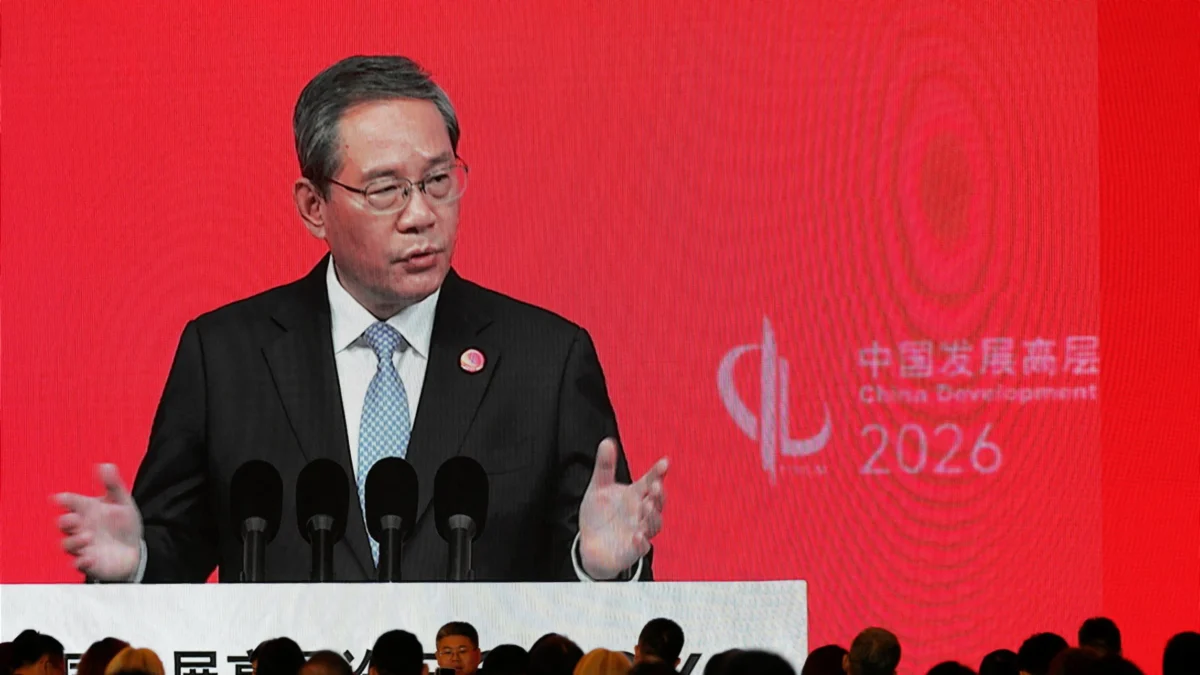
In a strategic overture to the world’s leading corporate executives, China has actively cultivated an image of itself as a steadfast anchor of stability in a turbulent global landscape, aiming to reassure and attract foreign investment amidst mounting geopolitical and economic headwinds. This concerted effort to project an image of predictability and resilience underscores Beijing’s imperative to maintain foreign direct investment and bolster its position in the international economic order.
The Chinese government has, through various high-level forums and diplomatic engagements, articulated a compelling narrative emphasizing its commitment to economic openness, policy consistency, and a secure business environment. This messaging is particularly targeted at global CEOs, who are grappling with the complexities of supply chain disruptions, escalating geopolitical tensions, and the specter of global recession. By positioning itself as a reliable partner, Beijing seeks to differentiate its market from others perceived as more volatile or protectionist. This proactive approach is a departure from previous eras where China’s economic growth was largely seen as an inherent draw, now highlighting a deliberate strategy to address investor anxieties.
The underlying motivation for this robust diplomatic and economic outreach stems from China’s recognition of the increasing fragility of global supply chains and the interconnectedness of national economies. Recent years have witnessed significant shocks to the international system, from the lingering effects of the COVID-19 pandemic to the ongoing conflict in Ukraine, all of which have underscored the importance of stable and predictable markets. China, as a colossal manufacturing hub and a significant consumer market, understands that its own economic health is inextricably linked to the confidence and engagement of international businesses. Therefore, projecting an image of stability is not merely a public relations exercise; it is a strategic imperative to safeguard its economic interests and its role in the globalized economy.
The emphasis on stability is multifaceted. Firstly, it addresses concerns about policy unpredictability. In the past, sudden shifts in regulatory frameworks or abrupt crackdowns on specific industries have caused unease among foreign investors. Beijing’s current communication aims to assure CEOs that while economic reforms and adjustments are inevitable, they will be managed with greater transparency and predictability, minimizing disruptive surprises. This includes signaling a commitment to upholding the rule of law, protecting intellectual property rights, and ensuring a level playing field for both domestic and foreign enterprises. The intention is to signal that China’s economic governance is maturing, moving towards a more institutionalized and less ad-hoc approach.
Secondly, the narrative of stability seeks to counter the narrative of escalating geopolitical risks. With increasing friction between major global powers, many multinational corporations are re-evaluating their global footprint and considering diversification strategies. China is presenting itself as a "harbour of stability" by emphasizing its commitment to multilateralism, its role in maintaining global economic cooperation, and its capacity to weather international storms without compromising its core economic direction. This message is designed to reassure businesses that investing in China offers a degree of insulation from the broader geopolitical turbulence, providing a secure base for their operations and market access.
The tangible manifestations of this strategy are evident in several key areas. China has been actively participating in international economic forums, such as the World Economic Forum in Davos and various Belt and Road Initiative summits, where its leadership has consistently delivered speeches and engaged in dialogues highlighting its commitment to an open global economy. Furthermore, the Chinese government has been promoting special economic zones and pilot free trade zones, offering preferential policies and streamlined administrative procedures to attract and retain foreign investment. These initiatives are presented not as exceptions, but as testaments to China’s ongoing commitment to a predictable and supportive business ecosystem.
Moreover, recent policy pronouncements have aimed to signal a softening of some of the more stringent regulatory approaches adopted in previous years. There has been a discernible effort to de-escalate tensions with the private sector, including foreign companies, and to reaffirm the importance of market mechanisms in driving economic growth. This recalibration of policy tone is intended to foster a more conducive environment for business expansion and long-term investment. The emphasis is on creating an ecosystem where innovation and entrepreneurship can thrive under a stable and supportive regulatory umbrella.
However, this projection of stability is not without its challenges and requires careful scrutiny. The global business community remains acutely aware of the inherent complexities and potential risks associated with operating in China. Geopolitical tensions, while being downplayed by Beijing in its outreach, remain a significant factor influencing corporate decision-making. Furthermore, the ongoing evolution of China’s domestic policies, particularly concerning data security, technological sovereignty, and market access for certain sectors, continues to present areas of uncertainty that require careful navigation by foreign firms.
Expert analysis suggests that while China’s efforts to project stability are strategically significant, their ultimate success will depend on the sustained implementation of policies that genuinely foster predictability and a level playing field. Foreign business leaders will be closely observing whether the rhetoric translates into concrete actions that address their core concerns regarding regulatory transparency, market access, and the protection of their investments. The ability of China to consistently demonstrate its commitment to an open and predictable economic environment will be crucial in solidifying its position as a preferred destination for global capital.
The long-term implications of this strategic positioning are profound. If China can successfully convince global CEOs of its enduring stability, it could reinforce its role as a central pillar of the global economy, mitigating the impact of deglobalization trends and securing its economic future. This would also have ripple effects across global supply chains, potentially encouraging greater investment in China’s manufacturing capabilities and its burgeoning domestic market. Conversely, if investor confidence falters due to perceived inconsistencies or unforeseen policy shifts, it could accelerate diversification strategies by multinational corporations, leading to a less integrated global economic landscape.
In conclusion, China’s deliberate campaign to present itself as a "harbour of stability" to global CEOs is a sophisticated strategic maneuver designed to navigate a complex international environment and secure its economic interests. By emphasizing policy predictability, economic openness, and resilience in the face of global turbulence, Beijing aims to reassure international businesses and attract sustained foreign investment. The efficacy of this strategy will ultimately be determined by the tangible actions and consistent policy implementation that follow, ensuring that the promise of stability translates into a secure and predictable operational reality for global enterprises. The coming period will be critical in assessing whether China can truly solidify its image as a reliable anchor in an increasingly uncertain world.



 Ayu Aulia
 Safa Marwah
 Aura Kasih
 Lisa Mariana