
 Aura Kasih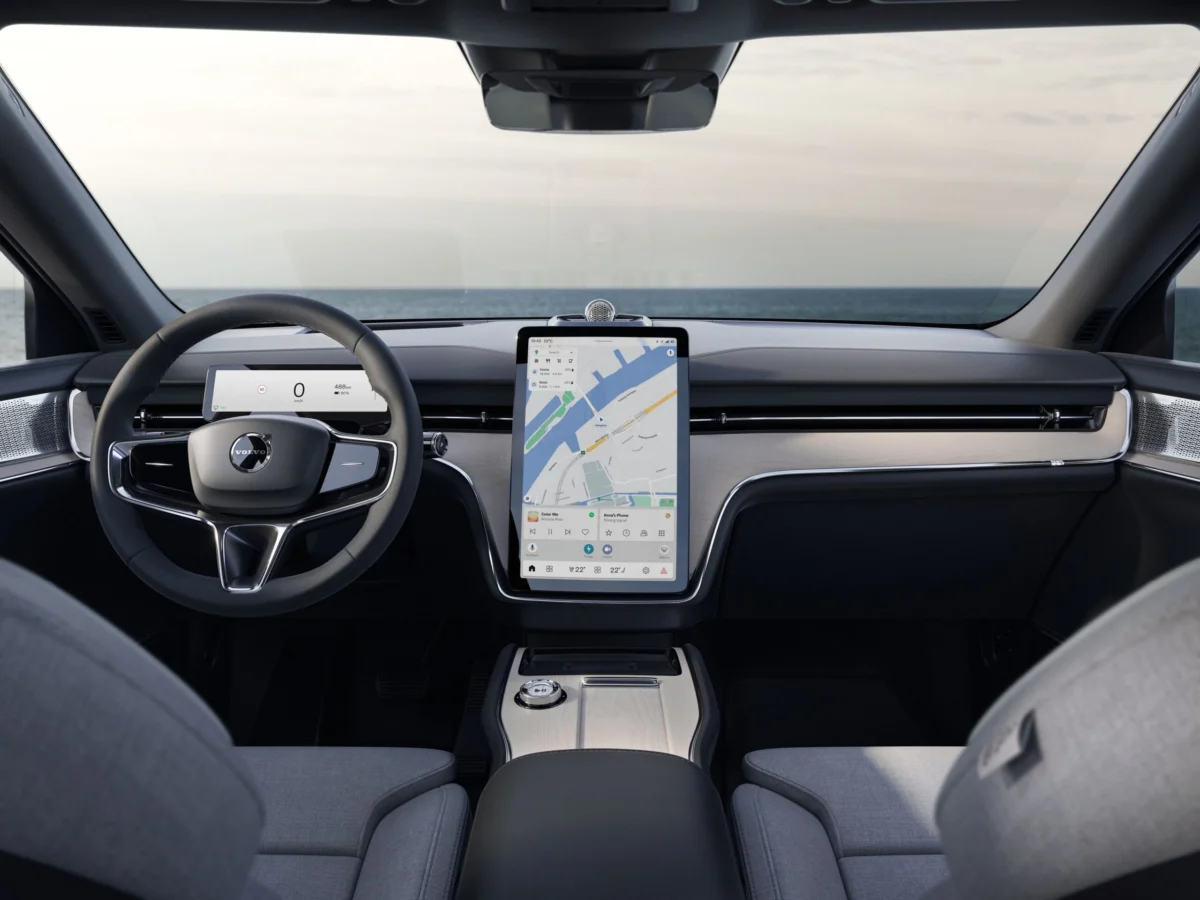
Google is fundamentally reshaping the automotive software landscape with a significant expansion of its Android Automotive operating system, moving beyond its established role in vehicle infotainment to encompass the core computational "brain" of software-defined vehicles. This ambitious initiative signals a pivotal shift, aiming to unify the increasingly fragmented automotive software ecosystem and deliver a more integrated and intelligent in-car experience.
The automotive industry stands at a critical juncture, often described as the transition to "computers on wheels." This evolution, however, has been characterized by considerable fragmentation. Manufacturers grapple with a patchwork of disparate software modules sourced from numerous suppliers, leading to inconsistencies in functionality, development complexities, and a slower pace of innovation. Google’s strategic move with Android Automotive OS for Software-Defined Vehicles (SDVs) directly addresses this challenge, positioning the tech giant as a potential de facto software provider for the industry.
This expansion is not merely a bid for market dominance; it is presented as a concerted effort to enhance the driver experience through greater cohesion and accelerated access to the latest automotive technologies. Matt Crowley, Group Product Manager for Android Automotive, articulated this vision in a recent announcement, emphasizing that the aim is to create a vehicle that functions as a seamless extension of a user’s digital life. This includes the promise of deeply integrated voice experiences, proactive maintenance alerts, and a more intuitive and unified interface for a multitude of vehicle functions.
The implications of Google’s enhanced Android Automotive OS extend far beyond the traditional infotainment screen. By extending its open infrastructure to the non-safety critical components of a vehicle’s internal computing system, Google is laying the groundwork for a more comprehensive digital integration. This encompasses a wide array of functionalities, from climate control and lighting adjustments to more sophisticated features such as remote cabin conditioning, advanced digital key management, and the creation of deeply personalized driver profiles. The vision is to move beyond the current paradigm of isolated systems towards a truly unified and intelligent automotive ecosystem.
For automotive manufacturers, this presents a compelling proposition. The adoption of a standardized, robust software platform promises to significantly reduce the complexities and costs associated with in-house software development. This allows automakers to redirect their resources and expertise towards core competencies, such as vehicle design, brand differentiation, and the creation of unique user experiences that resonate with their target demographics. Google’s provision of "foundational code and a common language for their software" effectively liberates manufacturers to focus on innovation at the application and user interface layers, fostering a more dynamic and competitive market for automotive software solutions.
The collaborative efforts underway underscore the seriousness of this initiative. Google has publicly announced partnerships with key industry players, including Renault Group and Qualcomm, signaling a concerted push to integrate this new iteration of Android Automotive into a broader range of vehicles. This builds upon the existing adoption of the standard Android Automotive OS by a notable roster of automakers, including Volvo, Polestar, General Motors, Nissan, and Honda, demonstrating a growing industry acceptance of Google’s automotive software strategy.
This strategic maneuver places Google in direct competition with other technology giants, most notably Apple, in the race to secure partnerships and influence the future of automotive software development. While most automakers currently offer phone-mirroring services like Apple CarPlay and Android Auto, both companies are now pursuing a more profound level of integration. Apple’s recent introduction of CarPlay Ultra, which extends its control to core vehicle functions such as HVAC and radio, is a testament to this escalating competition. The availability of CarPlay Ultra in select Aston Martin vehicles and its upcoming rollout to Porsche highlights the growing demand for deeply integrated digital experiences within the automotive cabin.
The trajectory of software-defined vehicles is characterized by an increasing reliance on sophisticated computing power and interconnected systems. This shift necessitates a robust and scalable software architecture that can support a growing array of features and updates throughout the vehicle’s lifecycle. Android Automotive OS, with its open-source nature and extensive developer ecosystem, is well-positioned to meet these demands. The ability to deliver over-the-air (OTA) software updates efficiently and reliably is paramount, enabling manufacturers to introduce new functionalities, enhance performance, and address security vulnerabilities without requiring physical dealership visits.
The implications for vehicle ownership and the aftermarket are also significant. A more integrated digital experience means that vehicles can become increasingly personalized and adaptable to individual user preferences. Imagine a vehicle that automatically adjusts seat positions, climate settings, and even music playlists based on the driver’s profile and past behavior. Furthermore, proactive maintenance alerts, powered by sophisticated diagnostics and predictive analytics, could transform the ownership experience, minimizing unexpected breakdowns and optimizing vehicle longevity. This level of intelligence and personalization moves the car from being a mere mode of transportation to a dynamic and responsive extension of a user’s digital life.
The development of software-defined vehicles is also driving innovation in areas such as artificial intelligence and machine learning. By collecting and processing vast amounts of data from various vehicle sensors and user interactions, Android Automotive OS can power advanced AI features. This could manifest in more intelligent driver-assistance systems, predictive navigation that anticipates traffic patterns, and even personalized in-car entertainment and information services. The ability to leverage cloud-based AI services further amplifies the potential for intelligent and adaptive vehicle behavior.
The concept of a "digital twin" for vehicles, where a virtual representation mirrors the physical car’s state and performance, is also becoming increasingly relevant. Android Automotive OS can serve as the bridge between the physical vehicle and its digital twin, enabling remote diagnostics, performance monitoring, and even the simulation of software updates before they are deployed to the actual vehicle. This level of digital integration enhances safety, reliability, and the overall efficiency of vehicle management.
However, the widespread adoption of a centralized software platform like Android Automotive OS also raises important considerations regarding data privacy and security. As vehicles become more connected and collect more personal data, robust security measures and transparent data handling policies are essential. Google, as a custodian of user data, faces the challenge of building trust and demonstrating a commitment to protecting sensitive information. The open-source nature of Android Automotive OS, while beneficial for innovation, also necessitates rigorous security audits and collaborative efforts to identify and address potential vulnerabilities.
The long-term impact of this strategic evolution could redefine the relationship between consumers and their vehicles. As cars become more sophisticated digital platforms, the lines between hardware and software will continue to blur. Consumers may increasingly prioritize the in-car digital experience when making purchasing decisions, similar to how they evaluate smartphones and other connected devices. Automakers that embrace this shift and leverage platforms like Android Automotive OS to deliver compelling and differentiated digital experiences are likely to gain a competitive advantage.
In conclusion, Google’s ambitious expansion of Android Automotive OS marks a significant inflection point in the automotive industry’s digital transformation. By moving from the dashboard to the vehicle’s core computing "brain," Google is not only seeking to address industry fragmentation but also to usher in an era of more cohesive, intelligent, and personalized in-car experiences. The success of this initiative will hinge on continued collaboration with automakers, a steadfast commitment to security and privacy, and the ability to deliver on the promise of a vehicle that is truly an extension of the modern digital life. The automotive future is undeniably software-defined, and Google is positioning itself as a central architect of that transformation.




 Lisa Mariana

 Ayu Aulia
 Safa Marwah