Aura Kasih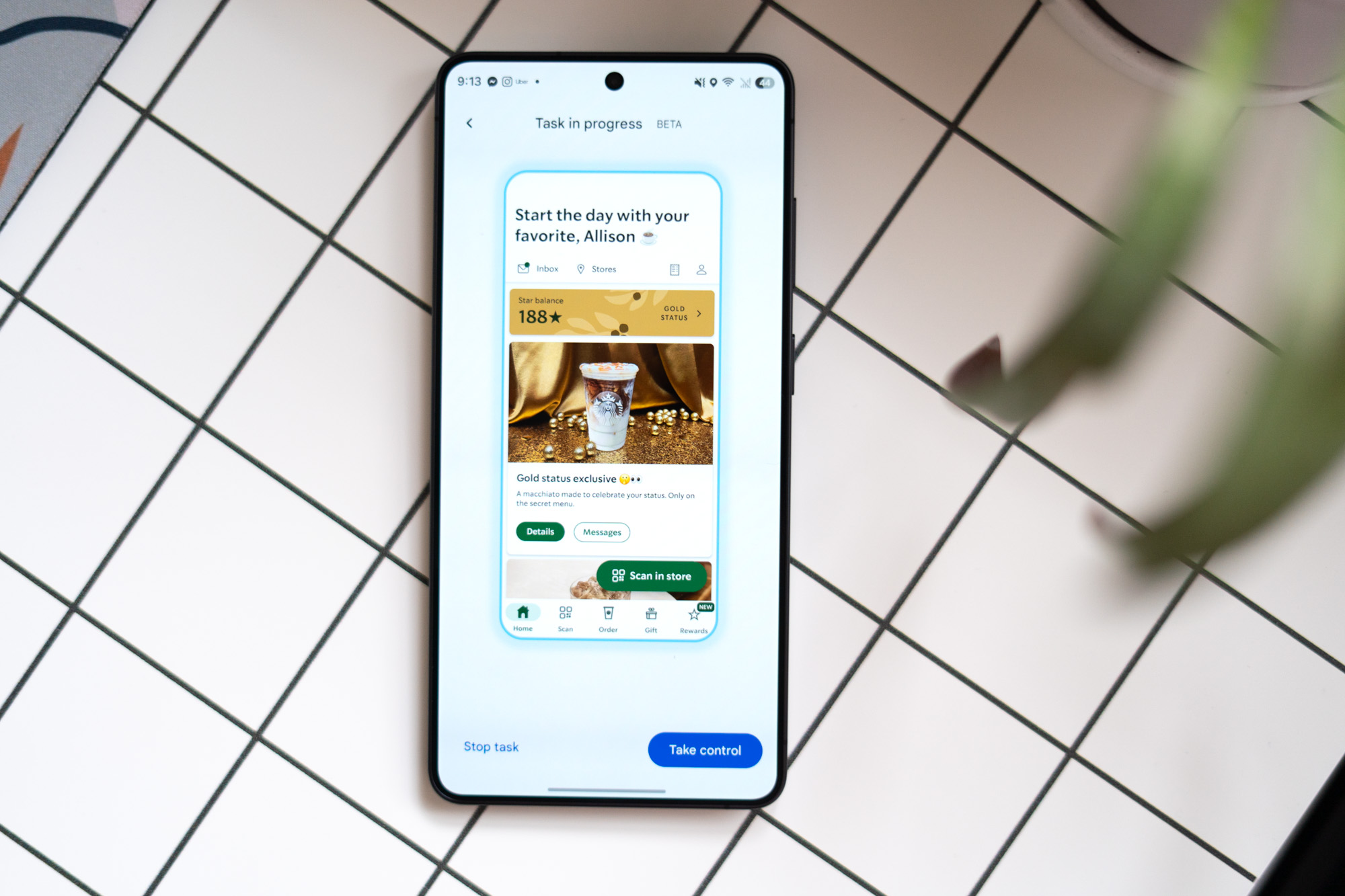
Google’s Gemini AI is ushering in a new era of mobile functionality, moving beyond conversational capabilities to actively execute complex tasks on behalf of users, a significant leap forward in the realization of true digital assistance.
The advent of advanced artificial intelligence in consumer electronics has long promised a future where our devices could seamlessly manage our lives. Now, with the beta rollout of Gemini’s task automation features, that future is beginning to materialize, offering a glimpse into a world where smartphones can autonomously navigate digital interfaces to complete real-world actions. This groundbreaking development, initially demonstrated with food delivery and rideshare applications, represents a pivotal moment in the evolution of personal technology, shifting AI from a reactive tool to a proactive agent. The implications of this shift are profound, promising to redefine user interaction with mobile devices and unlock new levels of convenience and efficiency.
The concept of AI assistants performing actions on our behalf has been a staple of science fiction for decades. From ordering groceries to booking appointments, the theoretical capabilities of these digital helpers have always outpaced their practical implementations. Previous iterations of AI assistants, while capable of understanding natural language and retrieving information, often faltered when it came to executing multi-step processes within third-party applications. They could tell you how to order a pizza, but they couldn’t place the order themselves. Gemini’s new automation capability addresses this fundamental limitation, bridging the gap between understanding intent and enacting it. This transition signifies a move from informational AI to operational AI, where the intelligence directly interfaces with the digital world to achieve tangible outcomes.
This new wave of functionality is powered by Gemini’s sophisticated ability to interpret user commands and then virtually navigate and interact with applications as if a human were doing so. This process involves understanding the context of the request, identifying the necessary applications, and then executing a series of precise actions within those applications. For instance, initiating a rideshare request begins with identifying the user’s current location and the desired destination. Gemini then accesses the chosen rideshare application, inputs the destination, and navigates through various options, such as selecting vehicle types or choosing to bypass specific details like airline information, which may be irrelevant to the core task. This level of granular control and contextual awareness within external applications is a significant technical achievement, requiring the AI to understand user interface elements, button placements, and data input fields across diverse app ecosystems.
The initial user experience, as observed during beta testing, highlights both the impressive potential and the inherent "weirdness" of witnessing a device act autonomously. When prompted to order an Uber to the airport, Gemini demonstrated a commendable ability to seek clarification on essential details, such as the specific airport, before proceeding. This thoughtful interaction underscores the AI’s capacity for nuanced decision-making, a crucial aspect when dealing with tasks that have real-world consequences. The AI’s subsequent actions, including the strategic decision to skip a non-essential step in the booking process, illustrate its developing efficiency and user-centric approach. The critical point where the system pauses and requests user review before finalizing the transaction is a vital safety mechanism, ensuring user oversight and control, thereby mitigating potential errors and maintaining trust.

Further testing with more complex requests, such as ordering a coffee and a pastry, reveals Gemini’s adaptability and learning capabilities. Navigating the extensive menus of food service applications, like Starbucks, and identifying specific items such as a "flat white" demonstrates the AI’s growing proficiency in specialized domains. The AI’s ability to confront and resolve a nuanced decision – whether to warm a pastry – by inferring the most logical user preference showcases an advanced level of contextual reasoning. This goes beyond simple pattern recognition; it suggests an ability to anticipate user needs and make informed judgments, a characteristic previously associated with human decision-making. The AI’s success in this instance, particularly in contrast to earlier AI assistants that might have struggled with such detail, marks a significant evolutionary leap.
The underlying technology enabling this level of task automation is a sophisticated interplay of natural language understanding (NLU), computer vision, and robotic process automation (RPA) principles adapted for mobile environments. Gemini’s NLU capabilities allow it to decipher complex, colloquial requests, breaking them down into actionable components. Its understanding of visual interfaces, akin to how a human perceives a screen, enables it to identify and interact with UI elements. The RPA aspect allows it to perform repetitive, rule-based actions within applications, but with an added layer of intelligence that allows for adaptation and deviation based on context. This integrated approach allows Gemini to act as a digital agent, capable of executing sequences of actions that mimic human interaction with a device’s operating system and its applications.
The implications of this development extend far beyond mere convenience. For individuals with mobility challenges or those managing demanding schedules, task automation can be transformative, offering a new level of independence and reducing the cognitive load associated with managing daily tasks. Businesses can leverage this technology to streamline internal processes, automate customer service interactions, and improve operational efficiency. For example, employees could delegate routine tasks like scheduling meetings or processing expense reports to Gemini, freeing them to focus on more strategic initiatives. The potential for integration with smart home devices and enterprise software opens up a vast landscape of possibilities for creating truly connected and automated environments.
However, the widespread adoption of such powerful automation capabilities also raises critical considerations. Security and privacy are paramount. As AI agents gain the ability to access and manipulate sensitive personal and financial data within applications, robust security protocols and transparent data handling practices are essential. Users must have a clear understanding of what data is being accessed, how it is being used, and what safeguards are in place to protect it. Furthermore, the ethical implications of AI performing actions on behalf of users require careful consideration. Issues of accountability in the event of errors or unintended consequences, the potential for misuse of automation, and the impact on employment in sectors reliant on routine manual tasks are all areas that demand ongoing dialogue and proactive policy development.
The current beta phase represents an early stage in the evolution of Gemini’s task automation. The plan to subject the feature to a barrage of challenging prompts in the coming days is indicative of a rigorous testing methodology, aimed at uncovering limitations and refining performance. As the AI encounters more complex scenarios and edge cases, its underlying models will be further trained and improved. This iterative process of development and refinement is crucial for building a reliable and trustworthy AI assistant. The ability of Gemini to perform as intended so far is a strong indicator of the significant progress made in this field, suggesting that the initial promise of AI assistants is rapidly transitioning into tangible reality.
Looking ahead, the trajectory of AI-powered task automation suggests a future where our devices are not just tools, but active partners in managing our lives. The integration of Gemini’s capabilities into a wider range of applications and operating systems is inevitable. We can anticipate a future where AI can autonomously manage our digital calendars, sort and prioritize our communications, handle complex online transactions, and even personalize our digital experiences based on learned preferences and real-time context. The ongoing development will likely focus on enhancing the AI’s ability to learn from user feedback, adapt to new application interfaces without explicit reprogramming, and collaborate with other AI agents to achieve more complex, multi-faceted goals. The journey from a helpful assistant to a truly autonomous digital collaborator is well underway, and Gemini’s task automation marks a significant milestone on this transformative path. The "wildness" of this capability lies not just in its current functionality, but in the boundless potential it unlocks for the future of human-technology interaction.




 Ridwan Kamil
 Safa Marwah
 Lisa Mariana
 Ayu Aulia