Aura Kasih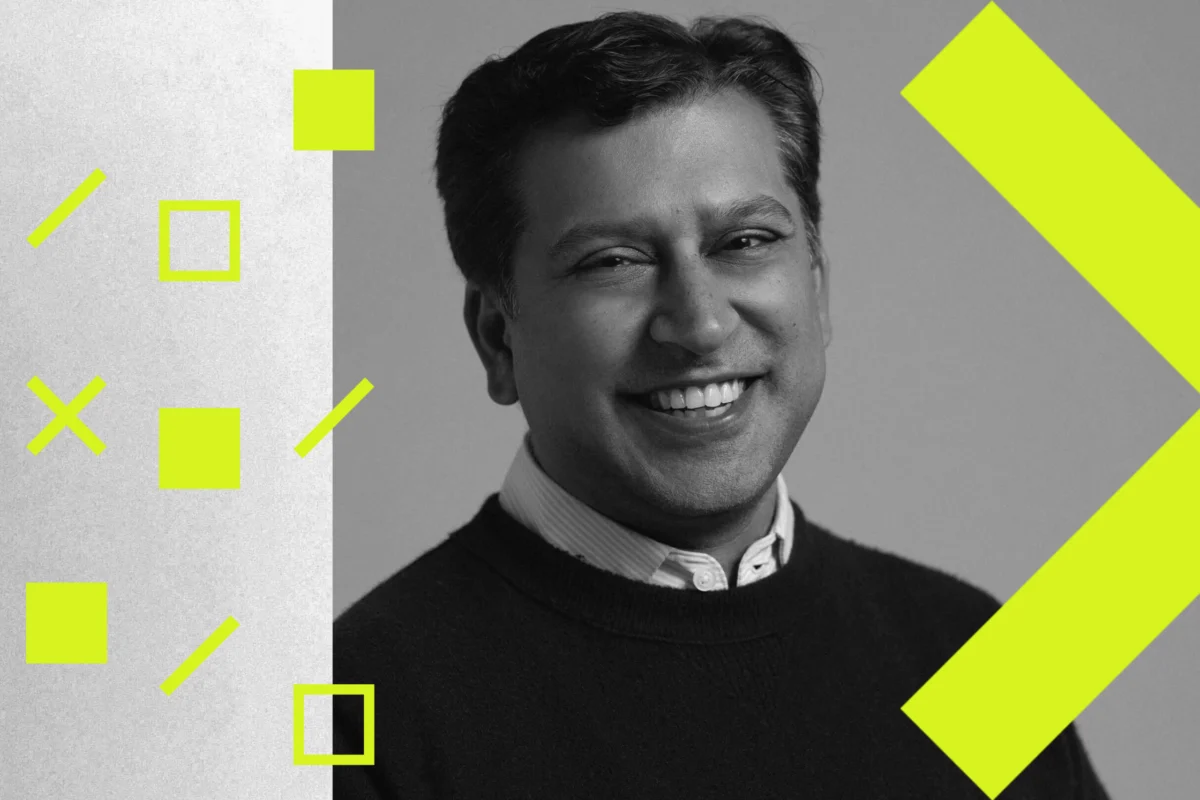
In a candid and at times contentious exchange, Shishir Mehrotra, CEO of Superhuman (formerly Grammarly), sat down to address a significant controversy surrounding his company’s AI-driven "Expert Review" feature. The technology, which aimed to provide writing suggestions synthesized from prominent figures, inadvertently and without explicit consent, used the names and likenesses of journalists, authors, and other public figures. This interview delves into the decision-making processes, ethical considerations, and broader implications of AI’s increasing integration into our digital lives, particularly concerning intellectual property, consent, and the evolving creator economy.
Mehrotra, a figure with a distinguished background as former Chief Product Officer at YouTube and a board member at Spotify, leads Superhuman, a company focused on an "AI-native productivity suite." The company’s portfolio now includes Grammarly, a ubiquitous writing assistant, Coda, a document platform, and Mail, an email client. Superhuman’s overarching mission, as articulated by Mehrotra, is to seamlessly integrate AI into users’ existing workflows, eliminating the need for significant behavioral shifts. This is epitomized by Superhuman Go, a platform designed to enable the creation of proactive and personalized AI assistants that function within users’ existing applications. The strategy hinges on ubiquity and unobtrusive integration, aiming to provide a consistent and intelligent AI experience across diverse digital environments.
The crux of the interview revolves around the "Expert Review" feature, launched by Grammarly. This feature generated AI-powered writing suggestions purportedly informed by recognized experts. However, it emerged that the names of several journalists, including the interviewer, were used without their prior knowledge or consent, leading to widespread outrage and even a class-action lawsuit filed by investigative journalist Julia Angwin. The company’s initial response involved an email-based opt-out mechanism, followed by the eventual discontinuation of the feature. Mehrotra, in the interview, unequivocally apologized for the oversight and acknowledged the feature’s shortcomings.
The conversation navigated the intricate landscape of AI development, focusing on the ethical tightrope walked by companies leveraging vast datasets and sophisticated algorithms. Mehrotra’s framework for decision-making, referencing his "Eigenquestions" essay on problem framing and the "Dory and Pulse" ritual for soliciting feedback to mitigate groupthink, was put to the test. The interviewer pressed on how, within such a structured process, the decision to deploy a feature that used individuals’ names without consent could have been made.
Mehrotra explained the inspiration behind the "Expert Review" feature stemmed from both user desires and a perceived need to support experts. Users, he stated, often expressed a wish for personalized guidance beyond grammar, envisioning AI assistants embodying roles like a sales advisor or support specialist. The feature aimed to fulfill this by allowing users to seek feedback from admired figures. For experts, the intention was to create new avenues for engagement and connection with their audience, particularly in a digital landscape where traditional pathways to fans are increasingly challenged by algorithmic shifts and content saturation. The company’s vision, Mehrotra elaborated, was to build a platform akin to YouTube, where creators could choose to participate, build trusted experiences, and establish their own business models, receiving compensation for their contributions.

The discussion then shifted to the economic and legal ramifications of AI-generated content and the use of personal likenesses. When questioned about compensation for the use of his name, Mehrotra emphasized that while attribution for the use of one’s work is crucial and expected, impersonation is an entirely different matter. He asserted that the "Expert Review" feature was not intended as impersonation, highlighting disclosures that indicated the suggestions were "inspired by" specific individuals and their works, with clear links back to their original content. He maintained that the claims of impersonation were a stretch and that the feature was far from crossing that legal or ethical threshold.
However, the interviewer countered that the legal claim was not about straightforward impersonation but rather the violation of New York and California laws prohibiting the use of names and identities for commercial purposes without consent. Mehrotra reiterated his stance that the legal arguments would be presented in court, but maintained that the feature’s disclosures were "well above the bar" set by other products and LLMs, which often operate without such explicit attribution. He drew parallels to his time at YouTube, referencing the Viacom lawsuit and the subsequent development of Content ID, arguing that while legal standards may be met, the ethical imperative often requires going further to align company interests with those of creators.
The conversation delved into the perceived "extractive" nature of AI, referencing a poll indicating public apprehension towards AI, placing it behind ICE and only slightly above the Democratic Party. Mehrotra attributed this low perception to fears about job displacement rather than concerns about name and likeness appropriation. He posited that the industry has failed to adequately communicate how AI can augment human capabilities rather than replace them, suggesting that the broader population’s anxieties are rooted in job security.
The interviewer challenged this, arguing that the "extractive" nature of AI, by ingesting vast amounts of creative work without compensation, directly fuels these fears. Mehrotra acknowledged the challenges faced by creators, citing a significant decline in traffic for some due to AI-driven search summaries. However, he argued that this represents an opportunity for creators to pivot to new business models, such as direct subscriptions or building deeper connections with their audience, rather than relying solely on ad revenue. He likened this to the early days of YouTube, where some creators initially resisted the platform, while others embraced it as an expansion opportunity.
The potential for a "SaaSpocalypse," where large language models could easily replicate the functionality of specialized software, was also raised. Mehrotra countered that while building software is becoming easier, the value of specialized, well-integrated products with network effects remains significant. He suggested that companies like Superhuman differentiate themselves not just by the underlying AI technology but by their ability to seamlessly integrate AI into existing workflows and build a robust ecosystem of agents and applications.
The discussion concluded with a forward-looking perspective on the creator economy and the future of AI. Mehrotra emphasized that the ultimate success of AI-powered tools, particularly for creators, lies in their ability to foster deeper connections and provide unique value beyond what generic models can offer. He suggested that while AI might average what’s common, it can also serve as a powerful tool for experts to distill their unique methodologies and connect with audiences on a more profound level, thereby creating new avenues for monetization and impact. The core of Superhuman’s strategy, he reiterated, is to empower users to become "superhumans" by providing them with intelligent tools that augment their capabilities, rather than replace them. The conversation underscored the ongoing evolution of AI ethics, the creator economy, and the fundamental question of how value is created and compensated in the digital age.




 Safa Marwah
 Lisa Mariana
 Ayu Aulia